Jharkhand CM Hemant Soren Approves Release of 26 Lifers
Synopsis
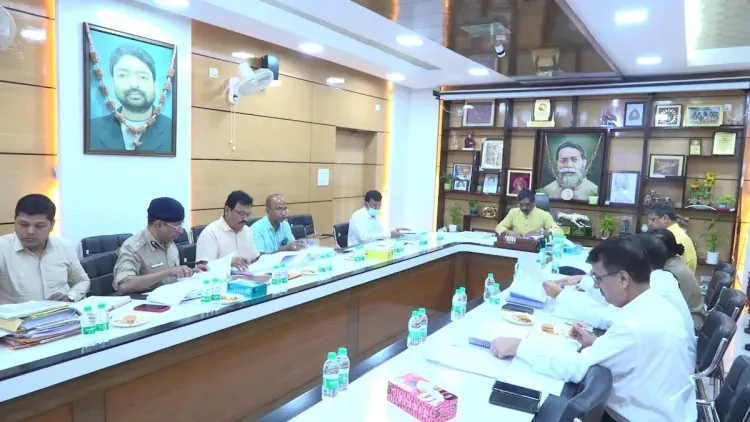
Jharkhand's Sentence Review Board, chaired by CM Hemant Soren, approved the release of 26 life convicts on 30 July 2026, directed land identification for open jails across all divisions, and mandated rehabilitation for released prisoners and social security for mentally ill inmates.
Key Takeaways
26 life-term prisoners in Jharkhand have been approved for release following a Sentence Review Board meeting chaired by CM Hemant Soren on 30 July 2026 .
The government has been directed to identify land for open jails in all administrative divisions of Jharkhand.
A rehabilitation framework for released prisoners is to be put in place.
Mentally ill prisoners are to receive dedicated social security support.
The decisions align with India's broader reformative justice trend, including open jail models adopted in other states.
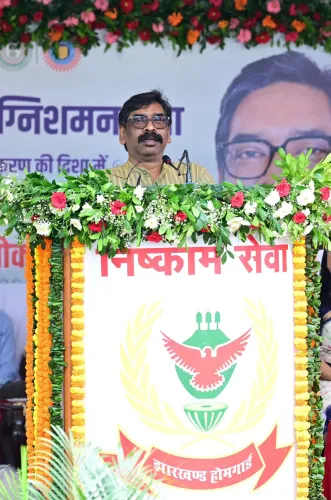
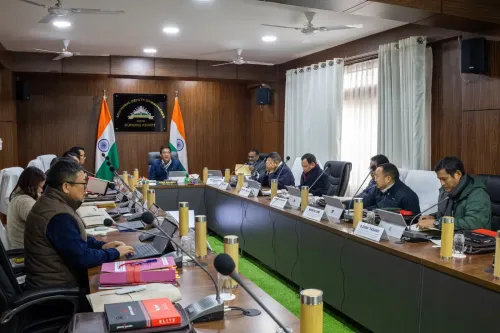
Twenty-six people serving life sentences in Jharkhand could walk free — and that decision came out of a single meeting. The Chief Minister's Office of Jharkhand announced on Thursday, 30 July 2026 that the Sentence Review Board, chaired by Chief Minister Hemant Soren, has approved the release of 26 life-term prisoners, while also directing the government to identify land for open jails across all divisions of the state.
The meeting produced three distinct directives. First, the board reached consensus on releasing the 26 lifers. Second, officials were instructed to identify land in all administrative divisions of Jharkhand for the establishment of open jails. Third, the government committed to providing rehabilitation support for released prisoners and social security for inmates suffering from mental illness.
What the Sentence Review Board does
The Sentence Review Board is a statutory body empowered under provisions of the Code of Criminal Procedure to periodically examine the cases of life convicts and recommend remission or early release. States across India have operated such boards for decades, and convening them is a recognised tool for managing both prison populations and the long-term welfare of convicts who have served significant time. The decision to release does not override judicial process — it reflects the board's assessment of conduct, time served, and rehabilitation prospects.
The open jail push and what it signals
The directive to identify land for open jails in every division is the more structurally significant outcome of this meeting. Open jails — facilities where selected inmates can work, move with limited supervision, and maintain family ties — have been adopted in states like Rajasthan as a model for reducing both recidivism and chronic overcrowding in conventional prisons. Jharkhand's move to map land across all divisions suggests the government intends a state-wide rollout rather than a pilot confined to one location.
The inclusion of a specific mandate for mentally ill prisoners — a population that often falls through the cracks of both the prison system and the mental health system — adds a social-welfare dimension that goes beyond the standard remission exercise.
If Jharkhand follows through on land identification and rehabilitation infrastructure, this meeting could mark the beginning of a meaningful shift in how the state treats its most vulnerable incarcerated population.
Point of View
Not merely an administrative routine. Directing open jail land identification across all divisions simultaneously — rather than starting with a pilot — is an ambitious commitment that will be tested by Jharkhand's land acquisition and administrative capacity. The explicit mention of mentally ill prisoners is notable: it acknowledges a category of inmates that penal systems routinely neglect, and attaching a social security mandate to them creates a measurable accountability point. Whether these directives translate into infrastructure and budgetary allocation will determine if this is a policy shift or a well-publicised meeting.
NationPress
14 Sept 2026
Frequently Asked Questions
What is the Sentence Review Board in Jharkhand?
The Sentence Review Board is a state body that periodically reviews the cases of life convicts and recommends remission or early release based on conduct, time served, and rehabilitation prospects, functioning under provisions of the Code of Criminal Procedure.
How many prisoners were approved for release in Jharkhand on 30 July 2026?
26 life-term prisoners were approved for release following the Sentence Review Board meeting chaired by Chief Minister Hemant Soren.
What is an open jail and why is Jharkhand planning them?
Open jails are reformative facilities where selected inmates can work and move with limited supervision while maintaining family contact. Jharkhand directed land identification across all its divisions to establish such facilities, aiming to reduce overcrowding and recidivism.
What support will mentally ill prisoners receive in Jharkhand?
The Sentence Review Board meeting directed the government to provide social security to prisoners suffering from mental illness, though specific scheme details are yet to be announced.
What happens to prisoners released by the Sentence Review Board?
The Jharkhand government has been directed to implement a rehabilitation framework for prisoners released under the board's recommendations, aimed at supporting their reintegration into society.