Jharkhand HC issues contempt notice to DGP over CCTV delay in police stations
Synopsis
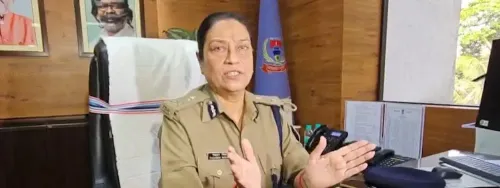
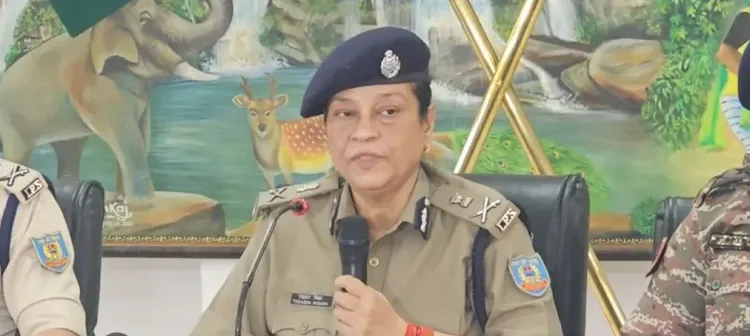
The Jharkhand High Court has had enough. After months of unfulfilled orders and a final-chance warning in June, the court has now issued a contempt show-cause notice directly to DGP Tadasha Mishra — signalling that judicial patience over the state's failure to install CCTV cameras in police stations has run out.
Key Takeaways
The Jharkhand High Court issued a show-cause notice to DGP Tadasha Mishra on 1 September over failure to install CCTV cameras in police stations.
The bench of Chief Justice M.S.
Sonak and Justice Rajesh Shankar remarked that police authorities appeared to be actively resisting installation.
The state cited tender cancellations as reasons for delay; the court found these explanations unsatisfactory.
The court had previously issued a final-chance warning on 18 June and directed the Chief Secretary and Home Secretary to ensure compliance.
The next hearing is scheduled for 24 September , when contempt proceedings may formally advance.
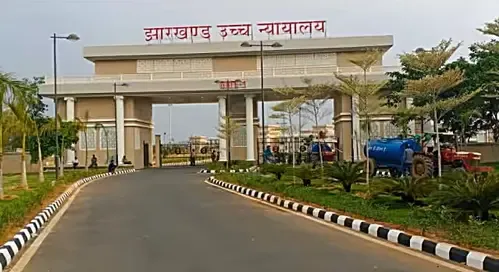
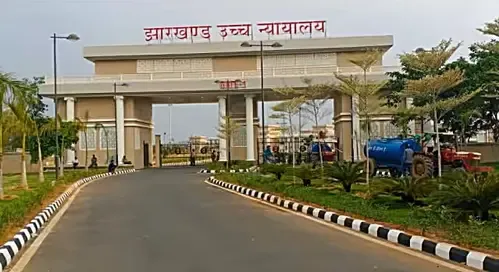
The Jharkhand High Court on Tuesday, 1 September issued a show-cause notice to Director General of Police (DGP) Tadasha Mishra, asking why contempt proceedings should not be initiated against her for the state government's continued failure to install CCTV cameras in police stations across Jharkhand. The court expressed strong displeasure, observing that despite repeated judicial directions, no meaningful progress had been made.
What the Court Observed
A division bench of Chief Justice M.S. Sonak and Justice Rajesh Shankar noted that its order dated 18 June, along with several earlier directions issued by different benches, had yielded little result. The bench remarked that, prima facie, police authorities appeared more interested in ensuring that CCTV cameras are not installed in police stations — a pointed observation that signals the court's deepening frustration.
The state government had cited reasons including the issuance and subsequent cancellation of tenders to explain the delay. The court found these explanations unsatisfactory at first glance.
History of Non-Compliance
This is not the first time the Jharkhand government has faced judicial scrutiny on this issue. As far back as 18 June, the court had considered initiating contempt proceedings against the DGP but chose instead to grant the state one final opportunity to comply. The bench had also directed the Chief Secretary and the Home Secretary to personally brief the DGP on the gravity of the matter and ensure implementation. Despite those instructions, no CCTV camera has reportedly been installed in any police station in the state.
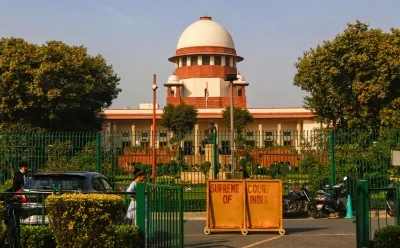
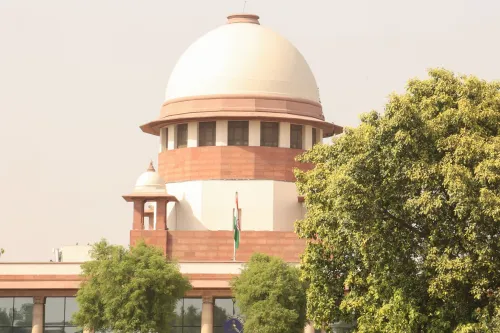
This comes amid broader national concerns about police accountability and custodial safety, with the Supreme Court of India having previously emphasised CCTV installation as a safeguard against custodial misconduct.
Why CCTV Cameras in Police Stations Matter
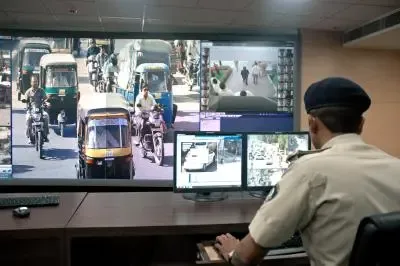
The installation of CCTV cameras in police stations is not merely an administrative directive — it is a transparency and human rights measure. Courts across India have repeatedly ordered such installations following complaints of custodial violence and procedural violations. In Jharkhand, the prolonged non-compliance raises questions about institutional resistance at the level of the police establishment itself.
Notably, the repeated failure to act even after the court extended a final opportunity suggests a pattern of deliberate delay, critics argue — a characterisation the government has not formally contested.
What Happens Next
The DGP Tadasha Mishra has been asked to explain why contempt action should not be initiated against her. The matter is next listed for hearing on 24 September. Depending on the response filed, the court may proceed with formal contempt proceedings, which could carry significant legal and administrative consequences for the state's top police officer.
Point of View
Or whether it is quietly complicit in the resistance. With a contempt notice now on the DGP's desk, the court has made clear that institutional inertia will no longer be treated as a neutral fact.
NationPress
17 Oct 2026
Frequently Asked Questions
Why has the Jharkhand High Court issued a contempt notice to the DGP?
The Jharkhand High Court issued a show-cause contempt notice to DGP Tadasha Mishra on 1 September because the state government failed to install CCTV cameras in police stations despite repeated judicial orders, including a final-chance directive issued on 18 June. The court found the state's explanations — including tender cancellations — unsatisfactory.
What did the Jharkhand High Court say about the police authorities?
The court remarked that prima facie, police authorities appeared more interested in ensuring that CCTV cameras are not installed in police stations. This observation was made by a division bench of Chief Justice M.S. Sonak and Justice Rajesh Shankar.
When is the next hearing in this case?
The matter has been listed for further hearing on 24 September. Depending on the DGP's response to the show-cause notice, the court may proceed with formal contempt proceedings.
Why are CCTV cameras in police stations important?
CCTV cameras in police stations serve as a transparency and accountability measure, particularly as a safeguard against custodial misconduct and procedural violations. Courts across India, including the Supreme Court, have directed their installation to protect the rights of individuals in police custody.
What steps had the court taken before issuing the contempt notice?
Prior to the contempt notice, the court had issued multiple directions through different benches, passed a specific order on 18 June granting the state a final opportunity, and directed the Chief Secretary and Home Secretary to personally ensure the DGP was aware of the matter's seriousness. None of these steps resulted in any installation.