Jharkhand Liquor Scam: Marandi Calls for CBI Investigation Amid Allegations of Cover-Up

Synopsis
Babulal Marandi, Leader of the Opposition in Jharkhand, is demanding a CBI probe into a liquor scam that has allegedly risen to over Rs 750 crore, citing serious irregularities by the Anti-Corruption Bureau.
Key Takeaways
Allegations of a Rs 750 crore liquor scam in Jharkhand.
Babulal Marandi demands a CBI investigation .
Concerns over the Anti-Corruption Bureau's handling of the case.
Changes to the excise policy allegedly benefited a select syndicate.
Four IAS officers have been questioned; many arrested have been granted bail.
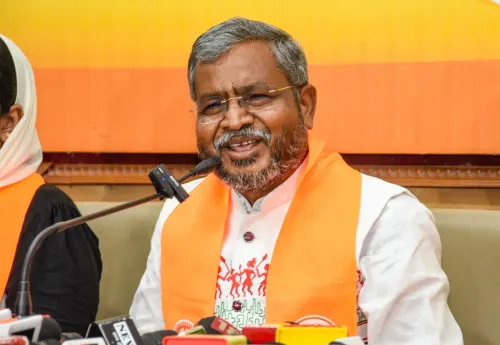
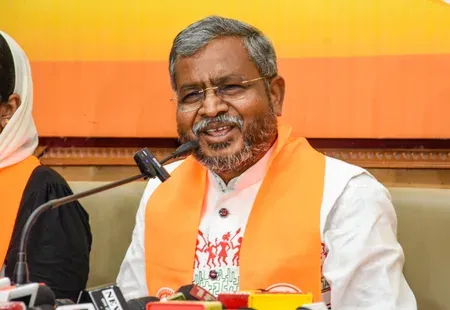
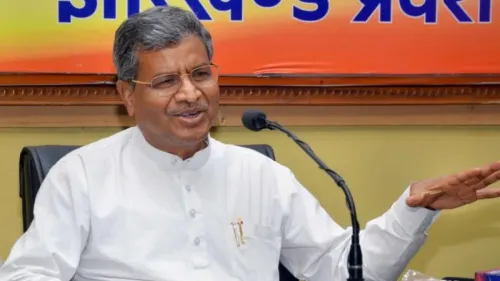
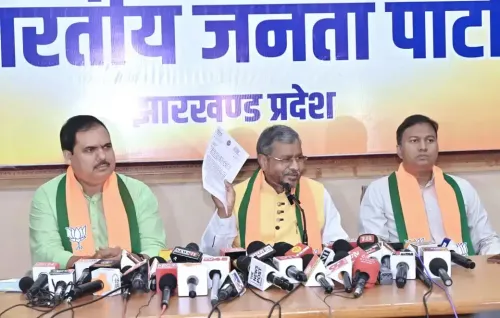
Ranchi, March 31 (NationPress) Babulal Marandi, the Leader of the Opposition in the Jharkhand Assembly, met Governor Santosh Kumar Gangwar on Tuesday to request a CBI investigation into the purported liquor scam, which he claims has swelled to over Rs 750 crore.
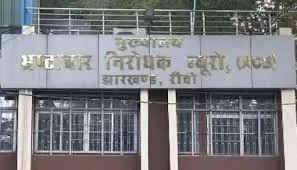
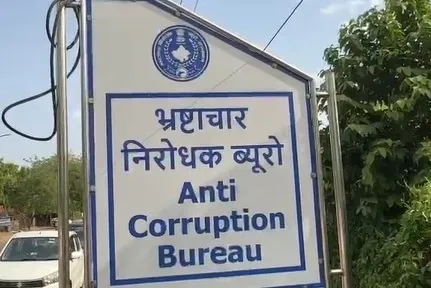
The BJP leader presented a memorandum to the Governor, alleging significant irregularities in how the Anti-Corruption Bureau (ACB) has managed the case.
He asserted that the agency's conduct has been questionable, suggesting that rather than executing a transparent and unbiased investigation, it seems to have protected those implicated in the scam.
As per the memorandum, modifications made to the excise policy in 2022 allegedly benefitted a particular syndicate, resulting in considerable revenue losses for the state. Initially estimated at around Rs 38 crore, the scam has reportedly escalated to over Rs 750 crore, Marandi stated.
Furthermore, although the ACB has made arrests in the case, its inability to submit a charge sheet within the mandated 90-day window allowed several defendants to obtain default bail.
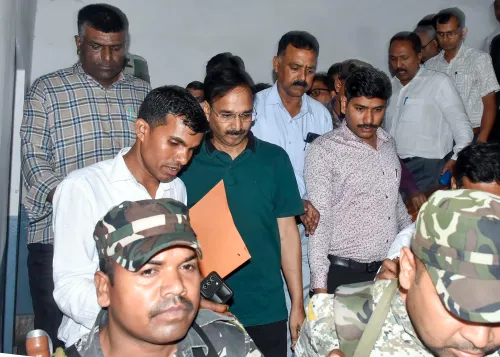
Among those arrested in May 2025 were the then Excise Secretary, Vinay Kumar Chaubey, and Joint Excise Commissioner, Gajendra Singh, both of whom were subsequently granted bail. Thus far, four IAS officers have been interrogated in connection with the case.
Marandi claimed that even after more than eight months, the ACB has not filed a single charge sheet, leading to 14 out of the 17 detained individuals being released on bail.
Describing this as either “gross negligence or collusion”, he also referred to a liquor businessman from Chhattisgarh who allegedly fled and remains unaccounted for.
Marandi urged immediate action, appealing to the Governor to instruct the ACB to hasten the filing of charge sheets and to advocate for a CBI inquiry into the matter. He emphasized that this is crucial for ensuring accountability, holding the guilty responsible, and restoring public trust in the system.
Point of View
The allegations put forth by Babulal Marandi highlight serious concerns regarding the integrity of the Anti-Corruption Bureau in Jharkhand. The call for a CBI probe reflects broader issues of governance and accountability, which resonate deeply with public sentiment.
NationPress
5 Oct 2026
Frequently Asked Questions
What is the Jharkhand liquor scam?
The Jharkhand liquor scam refers to an alleged scheme involving significant financial irregularities in the state's liquor licensing and revenue collection, claimed to have escalated to over Rs 750 crore.
Who is Babulal Marandi?
Babulal Marandi is the Leader of the Opposition in the Jharkhand Assembly and a prominent figure in the Bharatiya Janata Party (BJP).
What has been the role of the Anti-Corruption Bureau in this case?
The Anti-Corruption Bureau is alleged to have mishandled the investigation, with claims that it has failed to file charge sheets and has protected those involved in the scam.
Why is a CBI probe being requested?
A CBI probe is sought to ensure a thorough and impartial investigation into the liquor scam, with hopes of restoring public confidence in governance.
What are the implications of the ACB's inaction?
The ACB's failure to act promptly has allowed many accused individuals to secure bail, raising concerns about accountability and the integrity of the investigation.