Will Jharkhand's Proposal to Raise Power Tariffs by 60% Spark Major Protests?
Synopsis
The Jharkhand government's proposal to increase electricity tariffs by 60% for 2026-27 has sparked widespread criticism, with key organizations warning of dire consequences for farmers and consumers alike. The BJP has vowed to oppose this significant hike, claiming it will exacerbate the financial burden on the people of Jharkhand.
Key Takeaways
Proposed tariff increase: 60% hike for 2026-27.
Impact on farmers: Nearly 60% rise in irrigation tariffs.
Opposition groups: BJP and Jharkhand Federation of Chambers and Industries.
Public hearings: Expected to start soon.
Domestic rates: Expected to rise to Rs 10.30 per unit.
Ranchi, Dec 2 (NationPress) The proposal from the Jharkhand government to elevate electricity tariffs by an average of 60% for the financial year 2026-27 has ignited significant opposition across the state.
The Jharkhand Bijli Vitran Nigam Limited (JBVNL) has presented a tariff petition to the Jharkhand State Electricity Regulatory Commission (JSERC) seeking substantial increases for domestic, commercial, industrial, and agricultural sectors.
The commission has accepted the petition, and public hearings are expected to commence shortly.
As per the proposal, domestic tariff charges could surge dramatically — from the current level to Rs 10.30 per unit. Rural households may experience rate increases from Rs 6.70 to Rs 10.20 per unit, while urban domestic tariffs may rise from Rs 6.85 to Rs 10.30 per unit.
Commercial and industrial users are also facing significant hikes, with the industrial tariff suggested at Rs 9.10 per unit.
For agricultural irrigation, the cost may escalate from Rs 5.30 per unit to between Rs 9 and Rs 10 per unit. If this proposal moves forward, it will greatly increase farming expenses.
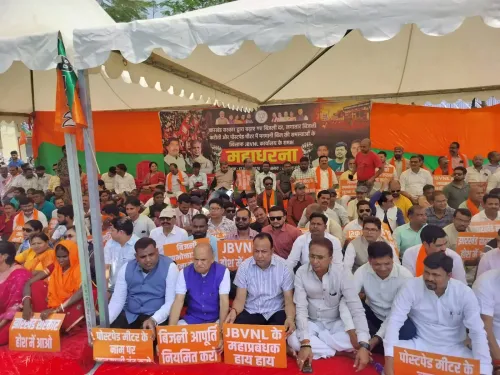
This proposal has received fierce backlash from multiple organizations, including the BJP and the Jharkhand Federation of Chambers and Industries.
BJP spokesperson Pratul Shahdeo labeled the proposed increase as an economic injustice to the populace and accused the Hemant Soren-led government of imposing burdens on farmers, small traders, and everyday consumers.
He stated that the government, which pledged free or low-cost electricity during elections, is now focused on emptying citizens' pockets.
Shahdeo estimated that the proposed hike would result in approximately 30% increases for rural and urban domestic consumers, while farmers would face an almost 60% rise.
“Agriculture is already costly. Such a steep increase in irrigation tariffs will devastate farmers,” he asserted.
He further claimed that the government has become indifferent to public sentiment and warned that such a move would plunge ordinary people into a deeper financial crisis.
Echoing similar concerns, the Jharkhand Federation of Chambers and Industries described the proposal as “anti-people” and “unfeasible,” vowing to strongly oppose the hike during the upcoming public hearings.
Point of View
This proposed tariff hike highlights a significant point of contention between the government and the populace. It raises questions about fiscal responsibility and the impact on vulnerable communities, particularly farmers who are already facing economic hardships. The backlash from organizations like the BJP and industrial chambers signals a potential political upheaval if the government does not heed public sentiment.
NationPress
15 Oct 2026
Frequently Asked Questions
What is the proposed increase in electricity tariffs in Jharkhand?
The proposed increase in electricity tariffs is an average of 60% for the financial year 2026-27.
How will the tariff hike affect farmers?
Farmers could face a nearly 60% increase in irrigation tariffs, significantly raising their operational costs.
What organizations are opposing the tariff hike?
The BJP and the Jharkhand Federation of Chambers and Industries are among the key organizations opposing the hike.
When will public hearings regarding the tariff hike take place?
Public hearings are expected to begin soon following the acceptance of the tariff petition by the JSERC.
What are the new proposed rates for domestic users?
Domestic users may see rates rise from the current levels to Rs 10.30 per unit.