Jharkhand Electricity Rates Rise: Urban Households to Pay Rs 7.40 per Unit
Synopsis
In a significant update, electricity prices in Jharkhand have increased by 6.12%, affecting urban households who will now pay Rs 7.40 per unit. This change, effective April 1, 2023, follows public consultations and aims to balance consumer needs with utility costs.
Key Takeaways
Electricity tariffs in Jharkhand have increased by 6.12%.
Urban households will pay Rs 7.40 per unit starting April 1, 2023.
No changes have been made to fixed meter charges.
Incentives for timely payments remain in place.
No increase for agricultural consumers.
Ranchi, March 25 (NationPress) The average electricity rates in Jharkhand have seen a 6.12 percent increase, meaning urban household consumers will now pay Rs 7.40 per unit according to the updated pricing structure.
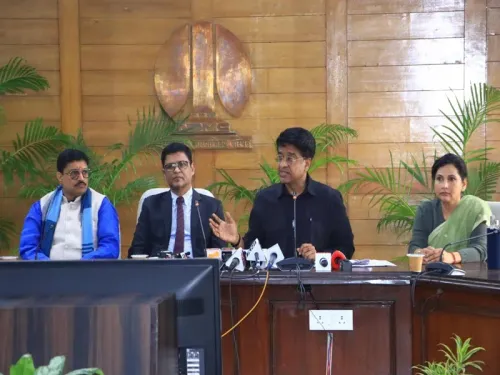
This new tariff was revealed by the Jharkhand State Electricity Regulatory Commission on Wednesday, and it is set to take effect from April 1, 2023, lasting until March 31, 2027.
Under the adjusted rates, urban domestic tariffs have increased from Rs 6.85 to Rs 7.40 per unit, while rural domestic consumers will now pay Rs 7.20 per unit, up from Rs 6.70.
Despite this increase, fixed meter charges remain unchanged across all consumer categories, providing some measure of relief for users.
The Jharkhand Bijli Vitran Nigam Limited had initially suggested a significant hike of up to 59 percent. However, following public consultations in the state’s five divisions, the Commission opted for a more gradual adjustment, with increases ranging from 50 paise to 80 paise per unit.
For commercial users, urban tariffs have risen from Rs 6.70 to Rs 7.30 per unit, whereas rural commercial rates have gone up to Rs 6.70, an increase from Rs 6.20. Industrial Low Tension (LT) consumers will now incur costs of Rs 6.60 per unit, compared to the previous Rs 6.10, while other industrial consumers will see their rates rise to Rs 6.40 per unit, up from Rs 5.90.
High Tension (HT) domestic consumers will face an increased rate from Rs 6.40 to Rs 7.20 per unit. Additionally, street lighting costs have escalated to Rs 7.60 per unit, previously Rs 7.00. Minor adjustments have also been made for ‘Special Services’ and ‘Other’ categories.
The Commission has retained incentives for consumers, including a rebate of up to 2 percent for on-time bill payments. Prepaid meter users will enjoy an additional 3 percent rebate on energy charges, alongside a refund of their security deposit.
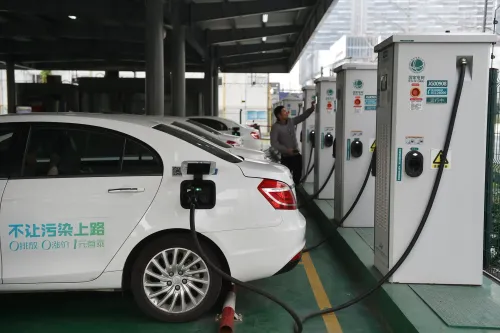
There has been no increase for agricultural users. In a bid to promote electric vehicle usage, the tariff for EV charging during solar hours has been reduced from Rs 7.31 to Rs 7 per unit.
Officials have emphasized that while tariff modifications are standard practice, the current increase has been relatively modest compared to previous proposals.
Point of View
It's essential to recognize that while the increase in electricity tariffs is a routine adjustment, the implications for consumers are significant. The Jharkhand State Electricity Regulatory Commission's decision reflects a balance between operational costs and consumer welfare, indicating a measured approach to a necessary economic change.
NationPress
24 Sept 2026
Frequently Asked Questions
What is the new electricity tariff for urban households in Jharkhand?
Urban households will now pay Rs 7.40 per unit after the recent tariff increase of 6.12%.
When will the new electricity rates take effect?
The new rates will come into effect on April 1, 2023.
Will there be any changes to fixed meter charges?
No, fixed meter charges will remain unchanged across all consumer categories.
What incentives are available for timely bill payments?
Consumers can receive a rebate of up to 2% for timely payments, with additional benefits for prepaid meter users.
Is there any increase for agricultural consumers?
No increase has been announced for agricultural consumers.