Jitendra Singh backs renaming PCOS to PMOS for whole-body view
Synopsis
Union Minister Dr. Jitendra Singh has publicly backed renaming PCOS to PMOS — Polyendocrine Metabolic Ovarian Syndrome — arguing the change shifts focus from the ovary alone to the full metabolic and endocrine picture, a reframing with significant implications for how India diagnoses, treats, and educates women about the condition.
Key Takeaways
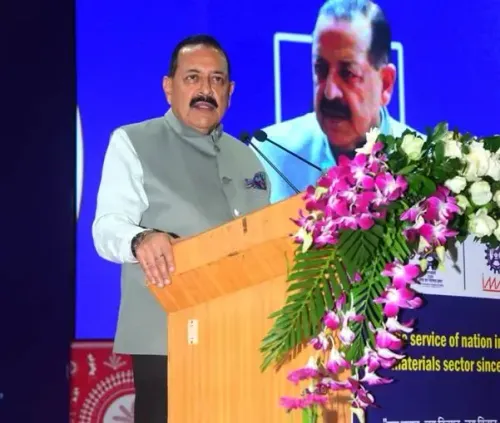
Union Science and Technology Minister Dr.
Jitendra Singh on 10 August 2026 called for renaming PCOS to PMOS (Polyendocrine Metabolic Ovarian Syndrome) .
The proposed rename embeds 'endocrine' and 'metabolic' in the label, reflecting the condition's systemic reach beyond the ovaries.
PCOS is estimated to affect roughly 1 in 5 Indian women of reproductive age and is linked to insulin resistance, cardiovascular risk, and metabolic syndrome.
No official renaming has been adopted by any professional medical body; the proposal is currently a public perspective, not a regulatory change.
Formal adoption would require consensus from bodies such as the Indian Medical Association and the Endocrine Society of India .
A minister with a science portfolio publicly endorsing the shift signals growing policy attention to women's metabolic health in India.
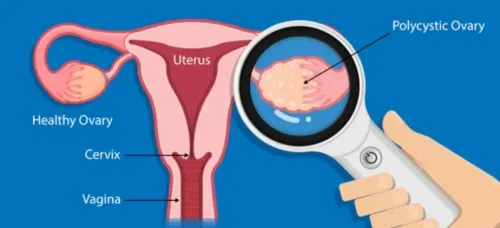
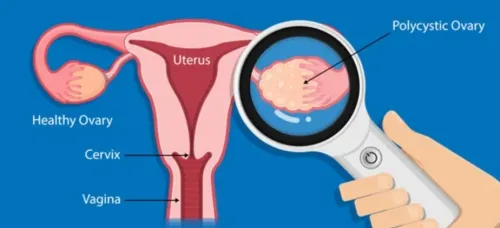
A four-letter swap is carrying a much larger argument. Union Science and Technology Minister Dr. Jitendra Singh on Monday, 10 August 2026, called for reframing how medicine — and society — understands one of the most common hormonal conditions affecting Indian women, proposing that PCOS (Polycystic Ovary Syndrome) be renamed PMOS (Polyendocrine Metabolic Ovarian Syndrome).
Why the name matters: from ovaries to the whole body
The minister's argument is precise: the current name anchors the condition in the ovaries alone, which he says misrepresents its true nature. 'Renaming PCOS to PMOS shifts our perspective, from a mere ovarian condition to a woman's whole-body metabolic health concern,' Dr. Singh wrote. The proposed name — Polyendocrine Metabolic Ovarian Syndrome — embeds the words 'endocrine' and 'metabolic' directly into the label, signalling that the disorder involves the broader hormonal and metabolic system, not just the reproductive organs.
This is not a trivial linguistic debate. PCOS is estimated to affect roughly 1 in 5 Indian women of reproductive age, making it one of the most prevalent endocrine disorders in the country. Clinicians have long noted that the condition is associated with insulin resistance, elevated androgens, cardiovascular risk, and metabolic syndrome — dimensions that the word 'polycystic' does not capture and that patients are often unaware of until complications arise.
A debate already alive in global endocrinology
The push to rename PCOS is not new in international medical circles. Several endocrinologists and researchers have argued for years that the existing name is clinically misleading — not all women with PCOS have cysts, and the condition's systemic reach goes well beyond the ovary. Dr. Singh's post brings that specialist conversation into the public and policy domain in India. The research notes, however, that no official renaming has been recorded through any professional body or regulatory authority; the proposal as articulated in the post remains a perspective, not yet a formal recommendation.
Whether the Indian Medical Association, the Endocrine Society of India, or international bodies such as the World Health Organization move to adopt such a change would require scientific consensus-building, clinical guideline revisions, and coordination across medical education systems — a process that unfolds over years, not a news cycle.
What a minister's voice adds to the conversation
A cabinet minister with a science portfolio publicly endorsing a nomenclature shift does carry weight. It signals that women's metabolic health is gaining traction as a policy-adjacent concern — not merely a clinical footnote. For the millions of Indian women navigating a condition they were told was about their ovaries, a rename that puts 'metabolic' at the centre could reshape how they seek care, how doctors explain risk, and how health systems allocate resources for screening and prevention.
The name may change slowly. The conversation has already shifted.
Point of View
And a minister endorsing it lends institutional momentum to what has so far been a clinician-led conversation. However, without a formal proposal to the Indian Medical Association or Endocrine Society of India, the statement risks remaining symbolic. The real test is whether the Science Ministry translates this public framing into research funding, clinical guideline advocacy, or health-education reform — the levers that would make the rename matter for the 1 in 5 Indian women living with the condition.
NationPress
10 Aug 2026
Frequently Asked Questions
What is PMOS and how is it different from PCOS?
PMOS stands for Polyendocrine Metabolic Ovarian Syndrome, a proposed rename for PCOS (Polycystic Ovary Syndrome). The new name emphasises that the condition involves the broader endocrine and metabolic system — including insulin resistance and cardiovascular risk — rather than being limited to the ovaries alone.
Has PCOS been officially renamed to PMOS in India?
No. As of August 2026, no official renaming has been adopted by any medical regulatory body or professional association in India or internationally. Union Minister Dr. Jitendra Singh's post advocates for the change as a perspective shift, not a formal policy announcement.
Why do doctors say PCOS is more than an ovarian condition?
PCOS is associated with insulin resistance, elevated male hormones (androgens), metabolic syndrome, and increased cardiovascular risk — systemic effects that extend well beyond the ovaries. Many clinicians argue the current name misleads patients into thinking it is purely a reproductive or gynaecological issue.
Who would need to approve renaming PCOS to PMOS in India?
A formal rename would require scientific consensus from professional bodies such as the Indian Medical Association and the Endocrine Society of India, coordination with medical education regulators, and alignment with international health organisations. The process typically takes years.
How common is PCOS among Indian women?
PCOS is estimated to affect roughly 1 in 5 Indian women of reproductive age, making it one of the most prevalent endocrine disorders in the country and a significant public health concern.