Pralhad Joshi Addresses Press at BharatRE Summit Close
Synopsis
Union Minister Pralhad Joshi addressed the press live at the close of the BharatRE Summit on 5 November 2026, spotlighting India's drive toward its 500 GW non-fossil fuel energy target by 2030 and signalling potential policy announcements for the renewable energy sector.
Key Takeaways
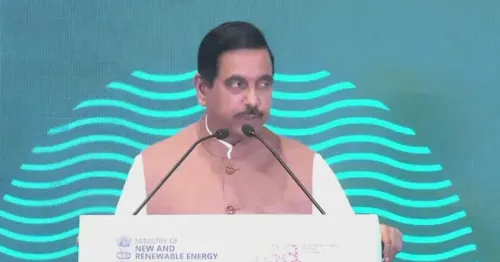
Pralhad Joshi , Union Minister for New and Renewable Energy, conducted a live press briefing at the culmination of the BharatRE Summit on 5 November 2026 .
India has pledged 500 GW of non-fossil fuel energy capacity by 2030 , a commitment made at COP26 in 2021 .
The BharatRE Summit is part of India's broader strategy to accelerate solar, wind, and green hydrogen investment through high-profile sectoral events.
Joshi's ministry combines New and Renewable Energy with Consumer Affairs and Food and Public Distribution portfolios.
Follow-up policy announcements on capacity targets or investment frameworks are expected in the wake of the summit.
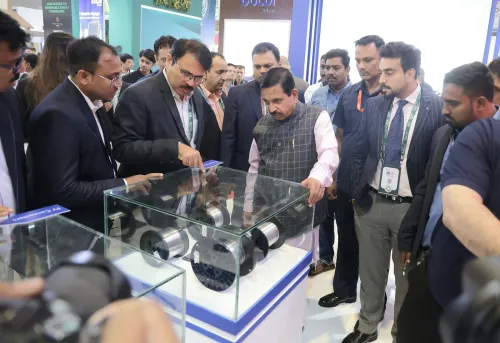
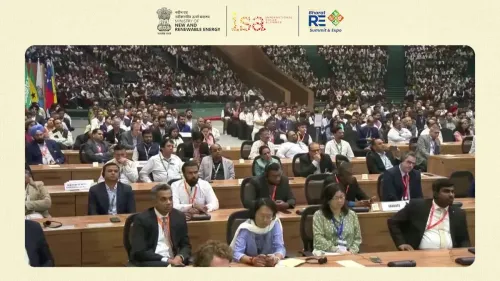
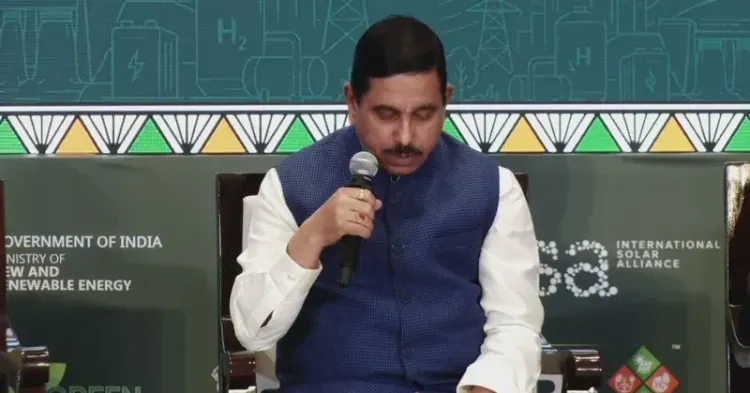
As the BharatRE Summit drew to a close on Thursday, 5 November 2026, Union Minister for New and Renewable Energy Pralhad Joshi stepped before the press for a live briefing — signalling the government's intent to frame the event's outcomes in real time and keep the renewable energy conversation front and centre.
A summit built around India's 500 GW ambition
The BharatRE Summit sits squarely within India's most consequential clean-energy commitment: the pledge, made at COP26 in 2021, to reach 500 GW of non-fossil fuel energy capacity by 2030. Sectoral gatherings of this kind serve a dual purpose — showcasing how far the country has travelled on that road, and signalling to domestic and global investors where the next tranche of opportunity lies.
Minister Joshi, who holds the New and Renewable Energy portfolio alongside Consumer Affairs and Food and Public Distribution, has been central to India's accelerating push on solar, wind, and green hydrogen. His decision to brief the press personally at the summit's culmination underlines the political weight his ministry places on visible momentum in the sector.
Why the press briefing moment matters
A live press address at the close of an industry summit is rarely routine. It is the moment a minister locks in the narrative — announcing targets met, investments secured, or policy shifts ahead. With India's 2030 clean-energy deadline now less than four years away, any signal from Joshi on capacity addition timelines or new scheme frameworks will be watched closely by the renewable energy sector and by India's international climate partners.
India has pursued its renewables expansion through a combination of central government production-linked incentives, state-level land allocation, and international financing partnerships. Summits like BharatRE are designed precisely to accelerate that pipeline — translating policy intent into project-level commitments.
The specific outcomes Joshi communicated to the press will shape the sector's near-term investment calendar. Watch for follow-up announcements on fresh capacity targets, green hydrogen policy details, or bilateral clean-energy cooperation frameworks in the days ahead.
Point of View
The renewable energy brief is increasingly where reputational stakes are highest, given the scale of international scrutiny on India's climate commitments. Sectoral summits are also a favoured mechanism for the current government to blend policy signalling with investment mobilisation. Any concrete targets or scheme tweaks emerging from this briefing will test whether the government's acceleration narrative is backed by fresh institutional muscle.
NationPress
5 Nov 2026
Frequently Asked Questions
What is the BharatRE Summit?
BharatRE Summit is a renewable energy sectoral event in India where the government showcases progress on clean-energy capacity and engages with investors and industry stakeholders.
What is India's renewable energy target for 2030?
India has pledged to achieve 500 GW of non-fossil fuel energy capacity by 2030 , a commitment made at the COP26 climate summit in 2021 .
Who is Pralhad Joshi and what portfolio does he hold?
Pralhad Joshi is a senior BJP leader from Karnataka and serves as Union Minister for Consumer Affairs, Food and Public Distribution, and New and Renewable Energy.
What could come out of Joshi's BharatRE Summit press briefing?
Analysts are watching for follow-up announcements on fresh capacity addition targets, green hydrogen policy updates, or new investment frameworks for India's renewable energy sector.
Why does India hold renewable energy summits?
India uses sectoral summits to signal policy direction, attract domestic and international investment, and demonstrate progress toward its 2030 climate commitments to global partners.