Pralhad Joshi Calls Young India to Build the 2047 Clean-Energy Nation
Synopsis
Union Minister Pralhad Joshi has invited young entrepreneurs and innovators to the Bharat Renewable Energy Summit & Expo 2026 in New Delhi from 2–5 November, positioning India's energy transition as a generational opportunity shaped by the country's 2047 vision and existing green hydrogen and battery storage missions.
Key Takeaways
Bharat Renewable Energy Summit & Expo 2026 runs in New Delhi from 2–5 November 2026 , convened by Union Minister Pralhad Joshi .
The summit targets policymakers, industry, investors, start-ups, innovators and researchers focused on India's clean-energy future.
Key technology areas flagged: advanced battery storage, smart grids, solar enterprise, and green hydrogen breakthroughs.
India's National Green Hydrogen Mission (2023) and expanded PLI scheme for advanced chemistry cells form the policy backdrop.
India has pledged net-zero by 2070 and 500 GW non-fossil fuel capacity by 2030 , targets the summit aims to accelerate.
Post-summit investment and policy commitments will be the true measure of whether ideas translate to industrial action.
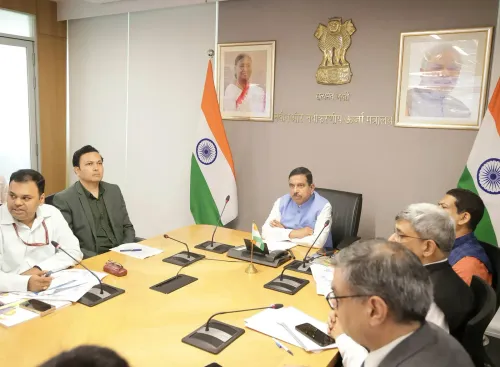
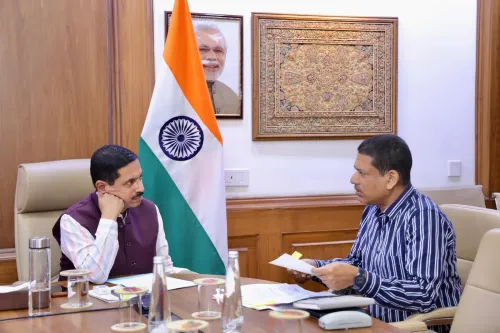
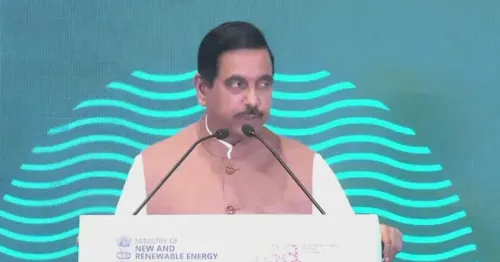
The question Union Minister of New and Renewable Energy Pralhad Joshi posed on Sunday, 1 November 2026 was not rhetorical — it was a recruitment call. 'What will you build for the India of 2047?' he asked, framing the country's entire energy transition as an open brief waiting for the right hands to pick it up.
A Summit That Turns Ideas Into Policy Leverage
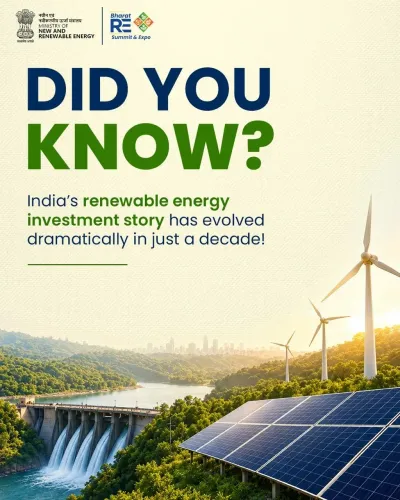
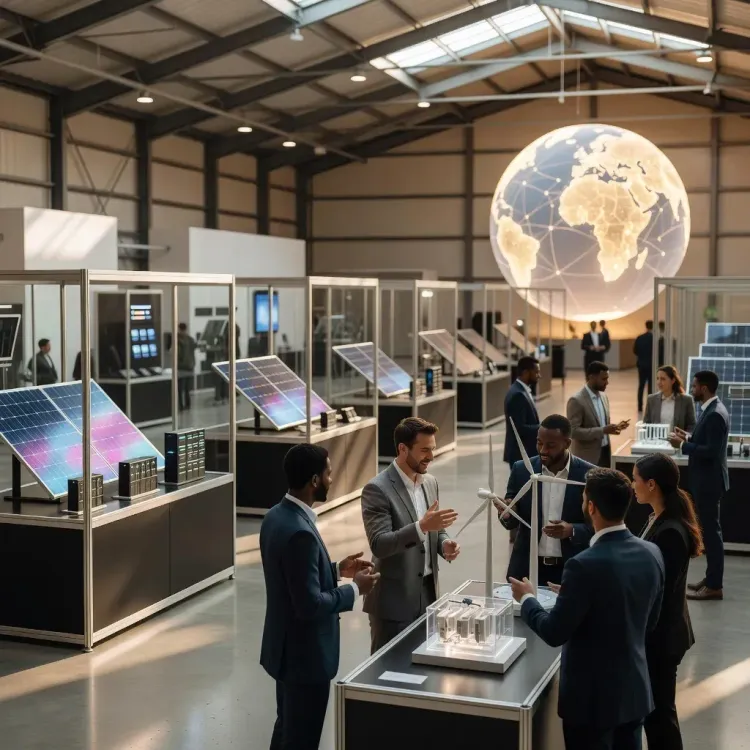
Joshi announced that the Bharat Renewable Energy Summit & Expo 2026 will be held in New Delhi from 2–5 November 2026, bringing together policymakers, industry leaders, investors, start-ups, innovators and researchers under one roof. The pitch is direct: arrive with an idea for India's clean-energy future, leave with a pathway to scale it. Registrations are open at bresummit.in/register.
The minister's list of what that idea could look like reads like a policy wish-list made concrete — 'a better battery, a smarter grid, a solar-powered enterprise, a breakthrough in green hydrogen, or perhaps an idea we have not yet imagined.' That last phrase is deliberate. India's 2047 ambition is large enough to absorb technologies that do not yet have a name.
Green Hydrogen and Batteries: The Policy Scaffolding Already in Place
The summit does not arrive in a vacuum. The National Green Hydrogen Mission, approved in 2023, set out to scale green hydrogen production, deployment and exports as a central pillar of India's decarbonisation strategy. Alongside it, the Production Linked Incentive scheme for advanced chemistry cells and solar modules was expanded in 2023–24 to reduce India's dependence on imported batteries and panels.
These programmes trace back to India's commitments at COP26 in 2021 — net-zero emissions by 2070 and 500 GW of non-fossil fuel capacity by 2030. The summit is, in effect, the government's most visible attempt to crowd-source the innovation layer that sits above that policy scaffolding.
'Young India Will Not Simply Inherit the Future'
Joshi's closing line — 'Young India will not simply inherit the future. It will be built by them' — distils a political argument as much as an economic one. The BJP's 'Viksit Bharat 2047' framing consistently positions the generation currently entering the workforce as the protagonists of India's centenary, not its beneficiaries. Renewable energy, in this framing, is not just a climate obligation but the single largest industrial opportunity for that cohort.
The real test comes after the expo closes. Watch for whether any investment commitments, green hydrogen offtake agreements, or battery storage targets announced at the summit find their way into the Union Budget 2027 or subsequent parliamentary action — that is when rhetoric becomes a balance sheet.
Point of View
Making renewable energy feel like patriotism rather than obligation. Joshi's direct address to young innovators signals that the government sees entrepreneurial energy, not just state capacity, as the accelerant it needs to close the gap between its ambitious capacity targets and industrial reality. The summit's real political significance, however, is downstream — if green hydrogen offtake agreements or battery storage mandates emerge in the next budget cycle, the event will have been a genuine policy catalyst; if not, it remains an impressive mobilisation exercise. Either way, the minister is staking personal credibility on the energy transition as a growth story, not merely a compliance one.
NationPress
1 Nov 2026
Frequently Asked Questions
What is the Bharat Renewable Energy Summit & Expo 2026?
The Bharat Renewable Energy Summit & Expo 2026 is a multi-day event in New Delhi from 2–5 November 2026, convened by Union Minister Pralhad Joshi, to bring together policymakers, industry, investors, start-ups, innovators and researchers around India's clean-energy transition.
How can I register for the BRE Summit 2026?
Minister Pralhad Joshi has directed interested participants to register at bresummit.in/register, as announced in his post on 1 November 2026.
What is India's National Green Hydrogen Mission?
The National Green Hydrogen Mission is a central government scheme approved in 2023 aimed at scaling up green hydrogen production, deployment and exports as part of India's broader decarbonisation and energy security strategy.
What is India's 2030 renewable energy target?
India committed at COP26 in 2021 to achieving 500 GW of non-fossil fuel electricity capacity by 2030 and reaching net-zero emissions by 2070, targets that underpin events like the BRE Summit.
Why is the year 2047 significant for India's energy plans?
2047 marks the centenary of India's independence — the government's 'Viksit Bharat 2047' vision positions that year as the horizon for a fully developed India, with renewable energy, green hydrogen and battery storage central to that long-term industrial and climate roadmap.