Pralhad Joshi Meets School Education Officials on Future Priorities
Synopsis
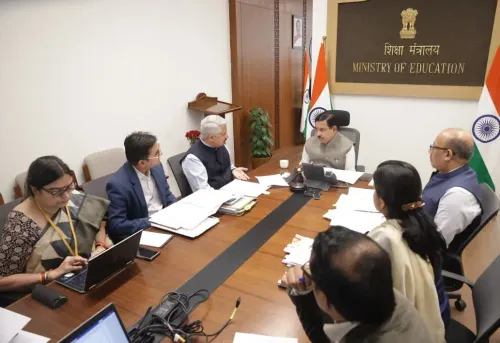
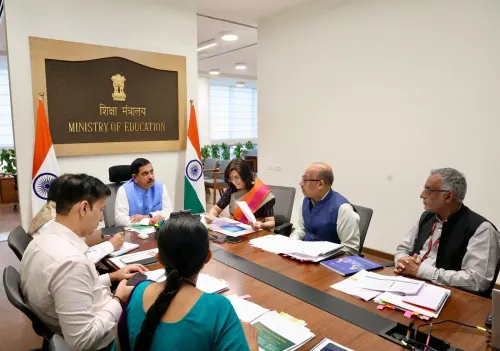
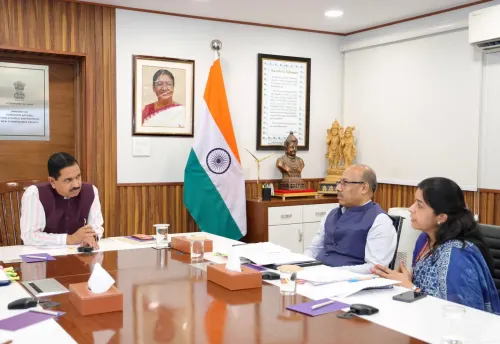
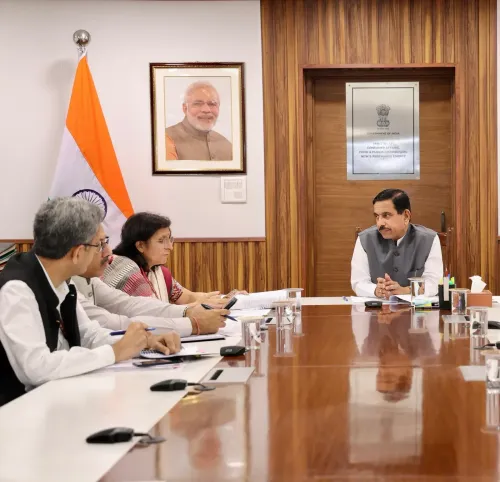
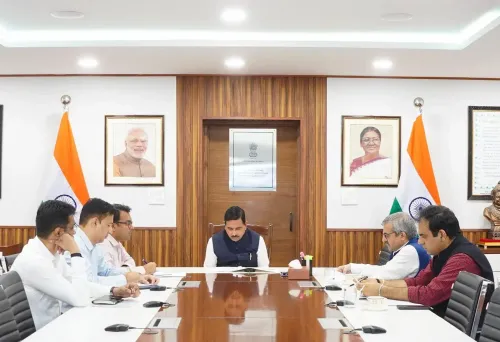
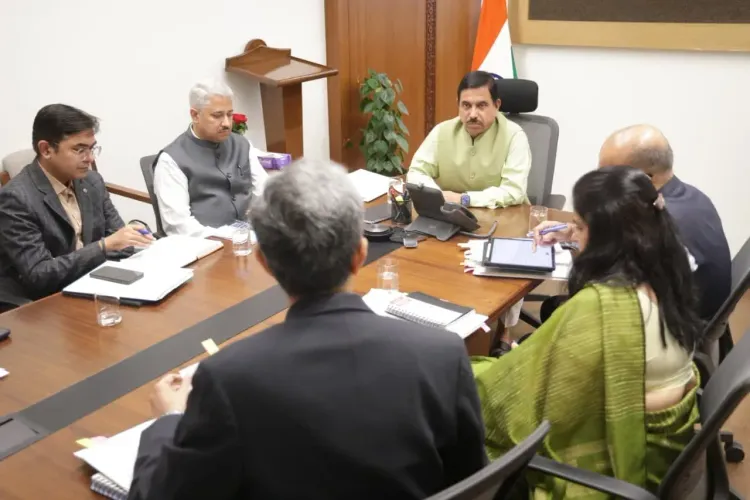
Union Minister Pralhad Joshi met senior officials of the Department of School Education and Literacy on November 17, 2026, to discuss making classrooms more engaging, improving teaching-learning processes, and building creativity and life skills beyond textbooks — themes aligned with the National Education Policy 2020.
Key Takeaways
Union Minister Pralhad Joshi met senior officials of the Department of School Education and Literacy on November 17, 2026 .
Discussions focused on making classrooms more engaging and strengthening the teaching-learning process.
The minister emphasised education that nurtures curiosity, creativity and essential life skills beyond textbooks.
The meeting aligns with priorities set under the National Education Policy 2020 , which champions experiential and competency-based learning.
The Department of School Education and Literacy shapes curriculum frameworks and teacher training guidelines implemented by states.
State-level adoption of updated frameworks and upcoming Union Budget allocations remain the key markers to watch.
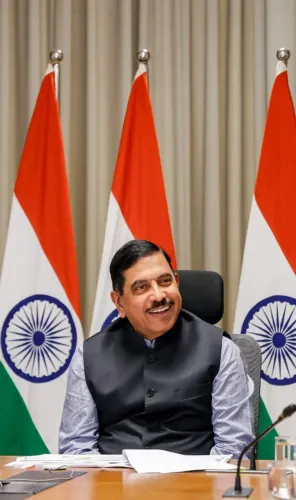
Classrooms, curiosity, and the skills no textbook can fully teach — these were the threads running through a high-level exchange that Union Minister Pralhad Joshi held with senior officials of the Department of School Education and Literacy under the Ministry of Education on Tuesday, November 17, 2026. The minister, who holds the Consumer Affairs and New and Renewable Energy portfolios, stepped into the education policy space for a focused discussion on where Indian school education needs to go next.
What the conversation was actually about
Joshi described the discussions as centred on 'making classrooms more engaging, strengthening the teaching-learning process and ensuring that education goes beyond textbooks to nurture curiosity, creativity and essential life skills among students.' The framing is deliberate: it echoes the foundational language of the National Education Policy 2020, which moved the national curriculum conversation decisively away from rote memorisation toward experiential learning and critical thinking.
The Department of School Education and Literacy is the operational arm that translates such policy intent into curriculum frameworks, teacher training mandates, and implementation guidelines pushed down to states. Any shift in its priorities ripples across millions of classrooms.
NEP 2020's unfinished classroom revolution
NEP 2020 set an ambitious pedagogical vision — competency-based learning, reduced curriculum load, integrated arts and sports, and a strong emphasis on foundational literacy and numeracy. But education sits on India's concurrent list, meaning states hold the actual lever of classroom change. Central-level engagement like this meeting is part of the ongoing effort to align state-level adoption with the national framework.
The minister's reference to 'changing needs' signals awareness that the gap between policy design and classroom reality remains a live concern, even six years after NEP's adoption.
Why a consumer affairs minister is in this conversation
Joshi's engagement with the education department is inter-ministerial in nature — not unusual in a government where senior ministers are periodically drawn into cross-cutting policy reviews. It also reflects the broader political salience of school education reform as a governance priority ahead of budget cycles and parliamentary sessions, where the government typically signals its next moves on the sector.
The next concrete test will be whether these discussions translate into specific announcements — curriculum updates, teacher capacity programmes, or fresh allocations — in the next Union Budget or education ministry policy rounds.
Point of View
Particularly around life skills and experiential learning, which remain unevenly implemented across states six years after the policy's adoption. Joshi's cross-portfolio engagement underscores how school education has become a whole-of-government talking point rather than a siloed ministry concern. The real test, however, lies downstream: whether these conversations produce concrete curriculum mandates or budget commitments, or remain at the level of periodic dialogue. With a Union Budget cycle approaching, the political cost of leaving NEP's classroom revolution as aspirational text — rather than funded reality — is rising.
NationPress
17 Nov 2026
Frequently Asked Questions
Why did Pralhad Joshi meet with school education officials?
Pralhad Joshi met senior officials of the Department of School Education and Literacy on November 17, 2026, to exchange views on the changing needs of school education and future priorities, with a focus on engaging classrooms, better teaching-learning processes, and building life skills.
What is the Department of School Education and Literacy?
The Department of School Education and Literacy is the central government body under the Ministry of Education that formulates and oversees the implementation of school education policy, curriculum frameworks, and teacher training across India.
How does this meeting connect to the National Education Policy 2020?
NEP 2020 emphasises experiential learning, critical thinking, creativity and life skills over rote textbook methods — the same themes Joshi highlighted in this meeting, suggesting the discussions are aimed at strengthening the policy's implementation at the school level.
What is Pralhad Joshi's main ministerial role?
Pralhad Joshi is a senior BJP leader from Karnataka serving as Union Minister of Consumer Affairs, Food and Public Distribution, and Minister of New and Renewable Energy. His engagement with the education department reflects inter-ministerial coordination.
What should we watch after this school education meeting?
Key indicators to follow include state-level adoption of updated curriculum frameworks aligned with NEP 2020 and any new education-related announcements in the next Union Budget or parliamentary session.