Pralhad Joshi Pushes NEP 2020 Into Execution Phase
Synopsis
Union Minister Pralhad Joshi has called for focused execution of NEP 2020, India's sweeping 2020 education overhaul replacing the 1986 policy, signalling that the Centre's patience with slow state-level implementation is running thin.
Key Takeaways
NEP 2020 was approved by the Union Cabinet in July 2020 , replacing the National Policy on Education 1986 .
The policy introduced a 5+3+3+4 school structure and a multiple entry-exit system for higher education.
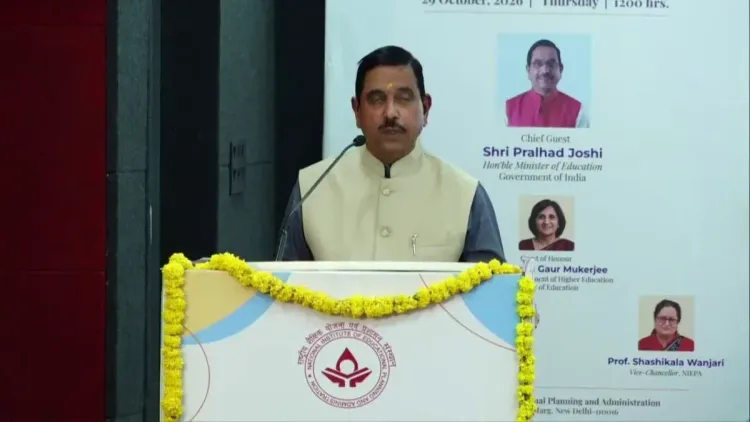
Minister Pralhad Joshi described NEP 2020 as India's 'most comprehensive and forward-looking education reform' on October 29, 2026 .
Implementation requires coordination between the Ministry of Education and state governments on curriculum, teacher training, and funding.
Education falls on India's Concurrent List , meaning both the Centre and states share legislative responsibility — a key friction point in rollout.
Joshi's cross-portfolio endorsement signals NEP 2020 is now a broad government priority, not just a single-ministry push.
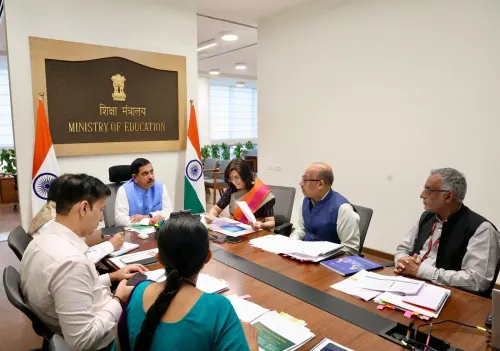
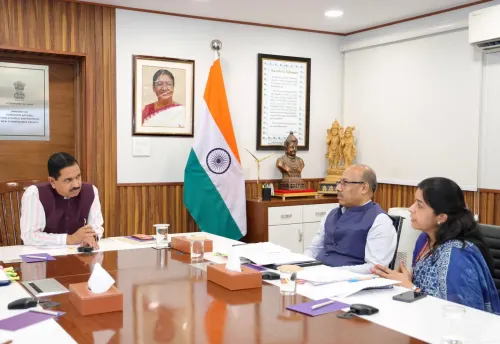
Six years after the National Education Policy 2020 rewrote India's education architecture, Union Consumer Affairs Minister Pralhad Joshi is making it clear that the deliberation window is firmly shut — and the execution clock has started. On Thursday, October 29, 2026, the senior BJP leader posted a pointed call to action, framing NEP 2020 as India's most comprehensive and forward-looking education reform and urging focused, effective implementation under the leadership of Prime Minister Narendra Modi.
From Blueprint to Blackboard: What NEP 2020 Actually Changes
Approved by the Union Cabinet in July 2020, NEP 2020 replaced a framework that had been in place since 1986 — a policy that had seen one revision in 1992 but had largely outlived its structural logic. The new policy is sweeping: a 5+3+3+4 school structure replaces the old 10+2 model, early childhood education gets a formal place in the national framework for the first time, and higher education gains a flexible multiple entry-exit system that lets students move between vocational and academic pathways without losing credit.
The shift is not cosmetic. For students, it means a radically different relationship with how subjects are chosen and how degrees are earned. For teachers, it demands retraining at scale. For state governments, it requires fresh curriculum alignment, new funding commitments, and bureaucratic coordination with New Delhi that has, in many states, moved at an uneven pace.
The Implementation Gap That Joshi Is Signalling
Joshi's post is notable less for what it announces and more for what it diagnoses. The phrase 'after years of deliberation' is a frank acknowledgement that NEP 2020's rollout has been gradual — states have adopted provisions at varying speeds, and the alignment between the Ministry of Education and state education departments remains a work in progress. The minister's language — 'focused execution,' 'effective implementation' — reads as a prod directed squarely at that gap.
The structural challenge is real: education sits on India's Concurrent List, meaning both the Centre and states legislate on it. That shared jurisdiction is both NEP 2020's greatest strength — it can reach every classroom — and its greatest friction point. Without state buy-in on teacher training, mother-tongue instruction mandates, and higher education credit frameworks, the policy risks remaining an aspirational document rather than a lived reform.
Why the Urgency in Late 2026
Watch the state-level adoption calendar and any new implementation guidelines or funding allocations that follow from this renewed political push. When a senior minister from outside the Education Ministry publicly invokes NEP 2020, it signals the reform has moved from the portfolio of one ministry into a broader government priority — the kind of cross-cabinet endorsement that can accelerate funding conversations and prod lagging states into action. The students and teachers waiting at the receiving end of this policy have been patient. Joshi is signalling that patience has a limit.
Point of View
Recasting delay as a challenge to be overcome rather than a failure of design. The real test, however, remains at the classroom level: whether teacher retraining, mother-tongue instruction, and credit frameworks actually move at the pace the political messaging now demands.
NationPress
29 Oct 2026
Frequently Asked Questions
What is NEP 2020 and what does it change about Indian education?
NEP 2020, approved by the Union Cabinet in July 2020, is India's National Education Policy that replaced the 1986 framework. It introduces a 5+3+3+4 school structure, brings early childhood education into the formal system, and allows flexible multiple entry-exit options in higher education, emphasising multidisciplinary and vocational learning.
Why is NEP 2020 implementation slow in some states?
Education is on India's Concurrent List, so both the Centre and state governments share responsibility. States must align their curricula, teacher training programmes, and funding with NEP 2020's provisions, and the pace of that alignment has varied significantly across the country.
What did Pralhad Joshi say about NEP 2020?
On October 29, 2026, Union Minister Pralhad Joshi posted on X calling NEP 2020 India's 'most comprehensive and forward-looking education reform' and urged focused execution and effective implementation under PM Narendra Modi's leadership, signalling that the deliberation phase is over.
What replaced the old 10+2 school system under NEP 2020?
NEP 2020 replaced the 10+2 school structure with a 5+3+3+4 model covering foundational, preparatory, middle, and secondary stages, integrating early childhood education formally into the schooling framework.
Who is responsible for implementing NEP 2020 in India?
The Ministry of Education leads NEP 2020 implementation at the national level, but because education is a Concurrent List subject, state governments are equally responsible for curriculum changes, teacher retraining, and local funding commitments.