JPC on One Nation One Election concludes Lucknow consultations after 10-state tour
Synopsis
The JPC examining One Nation, One Election has now canvassed 10 states — and in Lucknow it heard from vice-chancellors, legal experts, and Padma awardees in a single sitting. With consultations done, the harder work begins: drafting constitutional amendments that could redraw India's entire electoral calendar, over the objections of federalism critics.
Key Takeaways
The JPC on One Nation, One Election concluded a three-day consultation in Lucknow on 15 July .
The committee has now completed stakeholder visits across 10 states .
Chaudhary said all inputs will be examined before finalising recommendations for Parliament.
The final day saw deliberations with vice-chancellors , legal experts , political scientists , Padma awardees , and media representatives .
Critics have flagged risks to federalism and the potential for national issues to overshadow regional concerns.
Constitutional amendments required for simultaneous elections may need ratification by a majority of state legislatures in addition to a two-thirds parliamentary majority.
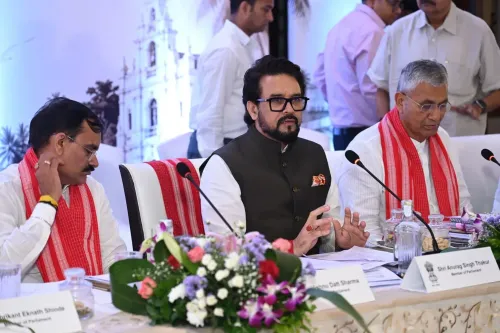
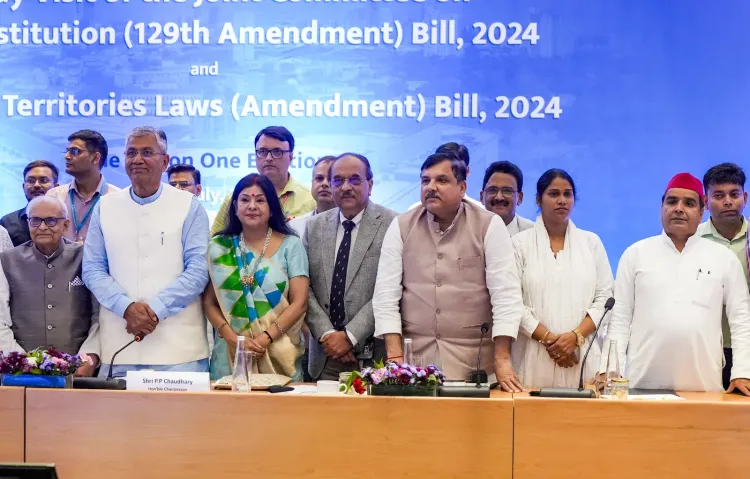
The Joint Parliamentary Committee (JPC) examining the One Nation, One Election proposal wrapped up a three-day consultation meeting in Lucknow on Wednesday, 15 July, concluding one of its most expansive regional outreach exercises to date. The panel has now completed stakeholder engagements across 10 states, gathering inputs from a wide cross-section of Indian society on the feasibility and constitutional implications of holding simultaneous elections.
Final Day Deliberations
On the concluding day, the committee held extensive discussions with vice-chancellors and directors of leading universities and higher educational institutions in Uttar Pradesh. The session also brought together legal experts, political scientists, Padma awardees, civil society representatives, and senior media professionals.
The breadth of participants reflects the JPC's stated intent to assess the proposal from multiple vantage points — academic, legal, civic, and journalistic — before arriving at formal recommendations.
What JPC Chairman P.P. Chaudhary Said
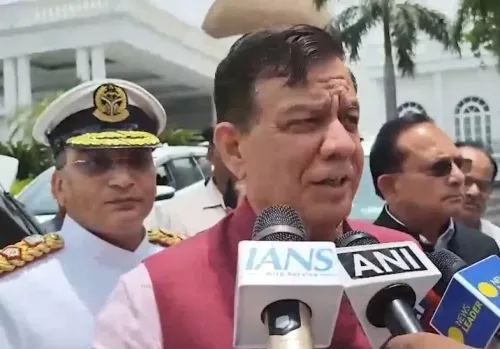
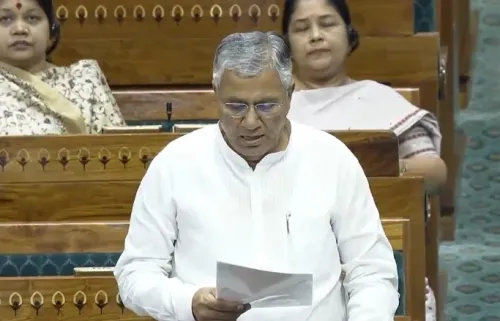
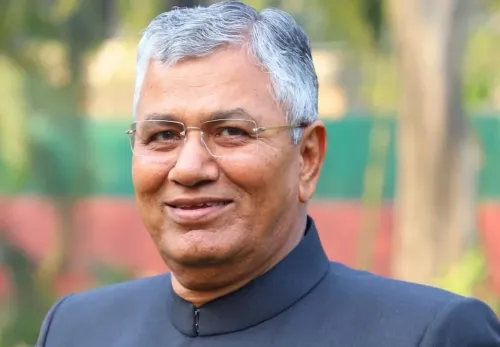
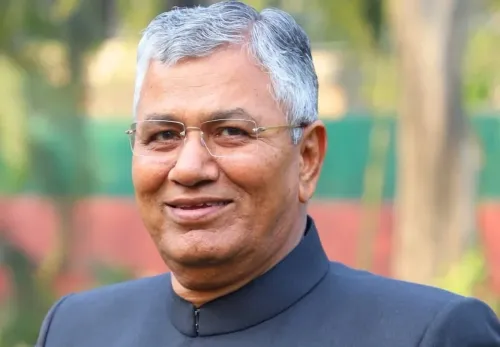
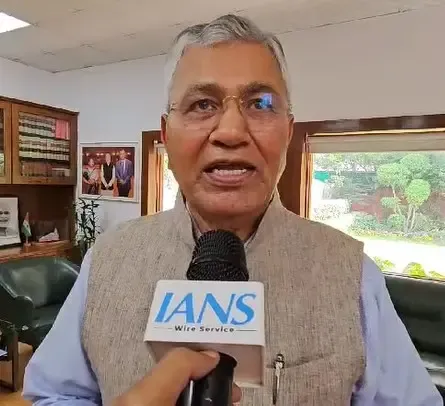
Addressing reporters after the session, JPC Chairman P.P. Chaudhary said the committee was satisfied with the quality of inputs received across its nationwide consultations. He noted that all suggestions gathered during these visits would be subjected to thorough examination in subsequent deliberation rounds before the panel finalises its recommendations.
Chaudhary stressed that the committee is approaching the issue with 'complete objectivity' and assured that only those recommendations serving the broader national interest and strengthening India's democratic framework would be placed before Parliament.
What One Nation, One Election Proposes
The One Nation, One Election framework seeks to synchronise elections for the Lok Sabha, state legislative assemblies, and local bodies into a single electoral cycle. Proponents within the National Democratic Alliance (NDA) government argue the reform would significantly reduce election-related expenditure, limit governance disruptions caused by the Model Code of Conduct, and stimulate economic activity by reducing the frequency of policy freezes.
Participants in the Lucknow consultations shared perspectives on the logistical infrastructure required, the constitutional amendments that would need to be enacted, and the broader impact on India's federal architecture.
Critics and Concerns
The proposal has not been without opposition. Critics — including constitutional scholars and regional political parties — have raised concerns that simultaneous elections could erode federalism by allowing national narratives to overshadow state-specific issues. There are also procedural questions about what happens if a state assembly is dissolved mid-term under such a framework.
These dissenting views, reportedly, were also part of the consultations, with the JPC indicating all perspectives — supportive and critical — would be weighed equally.
What Comes Next
With the 10-state consultation phase now complete, the JPC is expected to move into its internal deliberation and drafting stage. Constitutional amendments required to operationalise simultaneous elections are widely seen as complex, potentially requiring ratification by a majority of state legislatures in addition to a two-thirds majority in both Houses of Parliament. The committee has not yet announced a timeline for submitting its final report.
Point of View
Which is not a fringe concern but a constitutional one backed by former chief justices and multiple state governments. Simultaneous elections also require a stable political arithmetic that India's hung-assembly history frequently disrupts. If the JPC sidesteps these structural tensions in favour of a headline-ready report, it risks producing a document that Parliament debates but cannot legislate.
NationPress
14 Oct 2026
Frequently Asked Questions
What is the One Nation, One Election proposal?
One Nation, One Election is a proposed electoral reform that would synchronise voting for the Lok Sabha, state assemblies, and local bodies into a single simultaneous cycle. Proponents argue it would cut election costs and reduce governance disruptions caused by the Model Code of Conduct.
What did the JPC do in Lucknow on 15 July?
The Joint Parliamentary Committee concluded a three-day consultation in Lucknow on 15 July, engaging vice-chancellors, legal experts, political scientists, Padma awardees, civil society representatives, and media professionals to gather diverse views on the proposal.
How many states has the JPC visited so far?
The JPC has completed consultations across 10 states as of 15 July. The Lucknow meeting marked the end of this nationwide stakeholder engagement phase before the committee moves to internal deliberations.
What are the main concerns critics have raised?
Critics, including constitutional scholars and regional parties, argue that simultaneous elections could undermine federalism by allowing national political narratives to dominate state-level contests. There are also procedural concerns about how mid-term dissolution of a state assembly would be handled under the new framework.
When will the JPC submit its final report?
The JPC has not yet announced a formal timeline for submitting its final report. The committee is expected to enter an internal drafting and deliberation phase following the conclusion of its 10-state consultation tour.