Kalaburagi Rotti goes global: SHG women earn ₹20,000/month as jowar rotis hit Australia, US, Canada
Synopsis
A traditional jowar flatbread from Kalaburagi, made by over 1,000 SHG women, is now being exported to Australia, the US, and Canada — with export pricing set to double producer earnings. The Kalaburagi Rotti story is a rare instance of a district-level food brand cracking international markets through India Post and a Pune-based exporter, backed by ₹55 lakh in CSR funding from HDFC Bank.
Key Takeaways
Karnataka Minister Priyank Kharge flagged off the first export consignments of Kalaburagi Rotti on 9 May 2025 to Australia, US, and Canada .
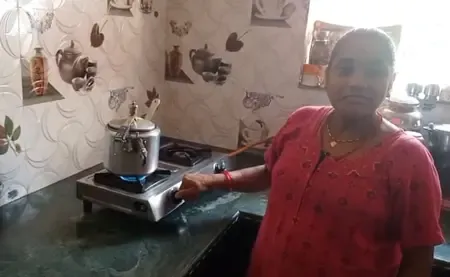
Over 1,000 women from 100 self-help groups produce the traditional jowar rotis under the Kalaburagi Rotti brand.
Monthly exports planned: 10,000 rotis each to the US and Australia, and 5,000 rotis to Canada.
Export price of ₹25–₹30 per rotti vs domestic price of ₹10–₹12 — a potential income jump of 80–100% for producers.
HDFC Bank has provided ₹55 lakh under CSR for vacuum packing machinery; infrastructure being built at Kotnoor-D under DMF scheme for ₹32 lakh .
Women currently earn ₹15,000–₹20,000 per month from rotti production.
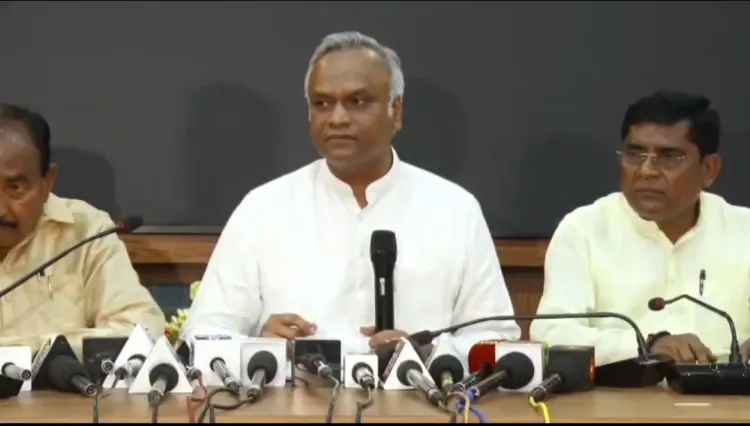
Kalaburagi's traditional jowar flatbread, the Kalaburagi Rotti, has made its international debut, with consignments now being exported to Australia, the United States, and Canada — prepared entirely by women from self-help groups (SHGs) in the district. Karnataka Rural Development and Panchayat Raj Minister Priyank Kharge flagged off the first export shipments on 9 May 2025 at the Arivina Mane auditorium in Kalaburagi city, handing packages to postal department officials for overseas dispatch through India Post.
The Kalaburagi Rotti Brand: From Local Kitchen to Global Market
The Kalaburagi Rotti brand was launched approximately one-and-a-half years ago, bringing together around 1,000 women from 100 self-help groups to produce the traditional jowar rotis at scale. The initiative, driven by the district administration, has grown from local market sales to a structured export arrangement facilitated by Pune-based Ashtam Traders.
Currently, the rotti is sold domestically through Amazon, the Kalaburagi Rotti website, franchise outlets, and local markets across India. The export push marks a significant new chapter for the brand, which is now backed by formal agreements between the district administration and the exporter.
Export Numbers and Pricing
In the first phase, 10,000 rotis per month will be exported each to the United States and Australia, while 5,000 rotis per month will be shipped to Canada. Over the course of a year, one lakh rotis are proposed to be exported annually to Australia and the US, with monthly volumes expected to scale between 10,000 and 25,000 rotis as demand grows.
The financial upside for producers is substantial. While a rotti currently sells for ₹10 to ₹12 in the domestic market, export pricing is expected to fetch ₹25 to ₹30 per rotti — a potential earnings increase of 80 to 100 per cent for the women involved.
Women's Earnings and Livelihood Impact
Women engaged in rotti production are reportedly earning between ₹15,000 and ₹20,000 per month, with additional income generated during weddings and social events. The initiative directly benefits more than 1,000 women across 100-plus self-help groups in Kalaburagi district.
Sharanamma Patil, a member of the rotti makers' association, thanked the district administration for its support at the event. The export initiative is expected to significantly increase income levels for participating women producers as volumes ramp up.
Infrastructure and Financial Support
HDFC Bank has provided ₹55 lakh under its CSR initiative for the purchase of vacuum packing machinery, which is critical for maintaining rotti quality during international transit. Basic infrastructure for the packaging unit is being developed at the District Agricultural Training Centre at Kotnoor-D in Kalaburagi under the DMF scheme at a cost of ₹32 lakh.
Minister Kharge said the new packaging facility would improve both export prospects and the overall quality of Kalaburagi Rotti, adding that the inauguration of the machinery unit is expected in the coming days.
Other Announcements
Kharge also announced that a newly constructed mini zoo and children's park spread across 6.33 acres near Mudbul village in Chittapur taluk would soon be opened to the public. Approval for the zoo has been obtained from the Central Zoo Authority under Section 38(1) of the Wildlife Protection Act. The opening is expected to provide an additional recreational and tourism asset for the region.
Point of View
Built on SHG labour, cracking three international markets within 18 months of launch. But the real test lies ahead: sustaining quality at scale, managing international food safety certifications, and ensuring that the price premium actually flows back to the 1,000 women producers rather than being absorbed by the export intermediary chain. The ₹55 lakh vacuum packing investment and the Ashtam Traders agreement are solid foundations, but the monthly export targets of 10,000–25,000 rotis will require consistent raw material supply and quality control that small SHGs have historically struggled to maintain. If the district administration can hold the supply chain together, this could become a replicable model for GI-tagged traditional foods across Karnataka.
NationPress
22 Sept 2026
Frequently Asked Questions
What is Kalaburagi Rotti and why is it being exported?
Kalaburagi Rotti is a traditional jowar (sorghum) flatbread from Kalaburagi district in Karnataka, produced by women from self-help groups. It is being exported to Australia, the US, and Canada because export pricing of ₹25–₹30 per rotti significantly exceeds the domestic price of ₹10–₹12, offering producers an 80–100% income boost.
Which countries will receive Kalaburagi Rotti exports?
Kalaburagi Rotti will be exported to Australia, the United States, and Canada. Monthly shipments of 10,000 rotis each are planned for the US and Australia, and 5,000 rotis for Canada, with volumes expected to increase over time.
Who is facilitating the Kalaburagi Rotti exports?
Exports are being facilitated by Pune-based Ashtam Traders, in partnership with the Kalaburagi district administration. Shipments are being dispatched through India Post. An agreement has already been signed between the district administration and the exporter.
How much are women earning from the Kalaburagi Rotti initiative?
Women involved in rotti production are reportedly earning between ₹15,000 and ₹20,000 per month, with additional income from weddings and events. Export pricing is expected to increase earnings by 80 to 100 per cent compared to domestic sales.
What infrastructure is being built to support Kalaburagi Rotti exports?
HDFC Bank has provided ₹55 lakh under its CSR initiative for vacuum packing machinery. A packaging unit is being developed at the District Agricultural Training Centre at Kotnoor-D in Kalaburagi under the DMF scheme at a cost of ₹32 lakh. The facility is expected to be inaugurated shortly.