How Are Women SHGs Driving Rural Growth in Rajasthan?
Synopsis
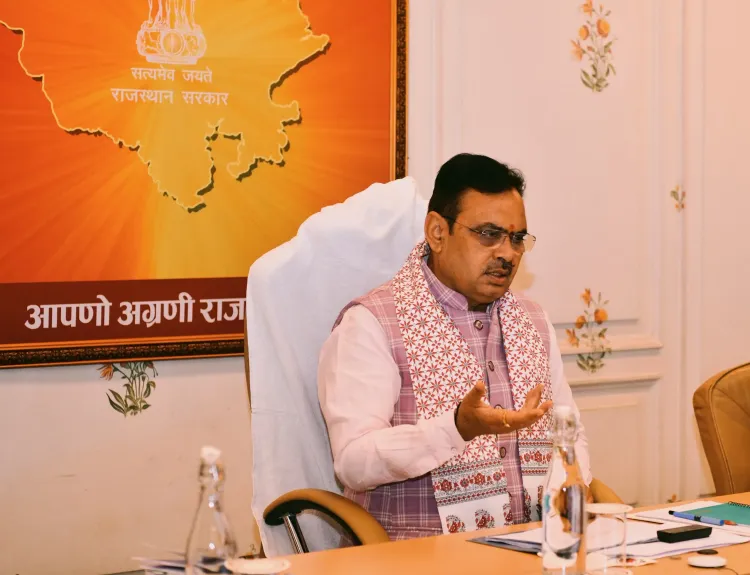
The Saras Rajsakhi National Fair in Jaipur, inaugurated by CM Bhajan Lal Sharma, showcases the growing impact of women's self-help groups on rural development. This event highlights how these initiatives empower women, enhance their contributions to the economy, and promote cultural heritage. Discover the vital role these groups play in shaping a self-reliant India.
Key Takeaways
Women’s self-help groups are crucial for rural empowerment.
The Saras Fair showcases diverse craftsmanship and cultural heritage.
Events like this provide market access to rural artisans.
Chief Minister Sharma emphasizes the importance of self-reliant initiatives.
Such fairs enhance confidence and social standing among rural women.
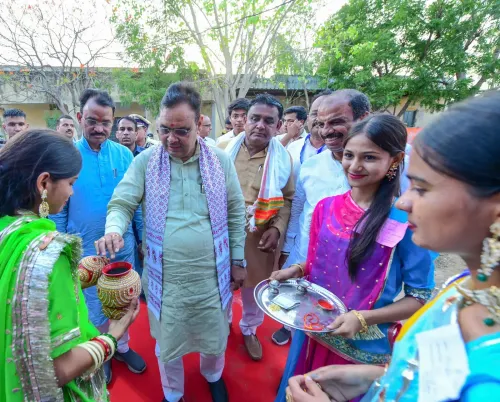
Jaipur, Dec 18 (NationPress) Chief Minister Bhajan Lal Sharma inaugurated the Saras Rajsakhi National Fair at Jawahar Kala Kendra on Thursday. During the fair, he explored various stalls set up by women's self-help groups from Rajasthan and beyond, engaging with artisans, inquiring about their products, and admiring their craftsmanship.
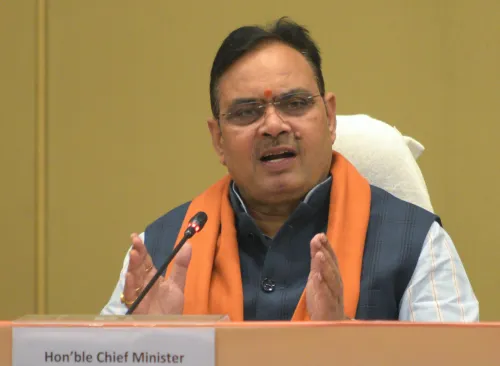
On this occasion, CM Sharma had meaningful conversations with women involved in the Lakhpati Didi initiative and other self-help groups. He emphasized that these groups are crucial in empowering women and bolstering the rural economy.
According to the Chief Minister, through these groups, women are not only adeptly managing their households but also making substantial contributions to the country's economic advancement.
He remarked that the Saras Fair exemplifies how effective policies, a solid institutional framework, and successful execution can lead to sustainable and inclusive changes in the lives of rural women. He added that the fair showcases the state's dedication to fostering a self-reliant Rajasthan and contributing to the vision of a self-sufficient India. Sharma also highlighted the importance of such events, stating that fairs like Saras Rajsakhi provide rural women with national exposure, market access, and a platform to exhibit their talents and products.
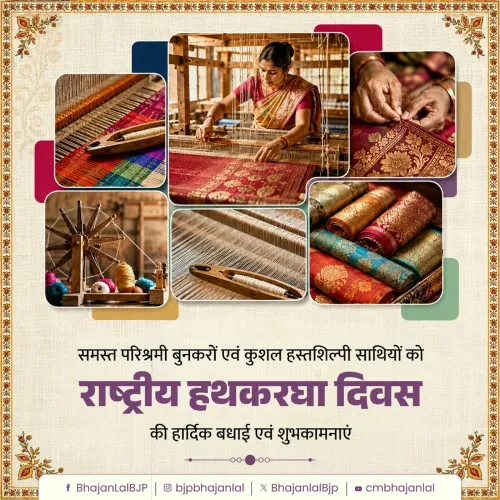
This exposure enhances their confidence, income, and social status. It's noteworthy that the Saras Rajsakhi National Fair will continue until January 4, 2026, displaying the rich traditions, craftsmanship, and cultural heritage of rural India. Approximately 300 stalls from 24 states, including Rajasthan, showcase a diverse array of rural traditions, folk art, crafts, textiles, handloom, and handicraft items from various regions.
Chief Secretary V. Srinivas, Additional Chief Secretary (Rural Development) Shreya Guha, and State Mission Director of Livelihood Projects and Self-Help Groups Neha Giri, along with a significant number of attendees, were present at the event.
Point of View
The inauguration of the Saras Rajsakhi National Fair by CM Bhajan Lal Sharma is a commendable step towards recognizing and enhancing the role of women in rural development. The fair not only promotes local craftsmanship but also empowers women economically, reflecting a broader commitment to national development. Such initiatives are essential for fostering inclusivity and self-reliance in India.
NationPress
22 Sept 2026
Frequently Asked Questions
What is the Saras Rajsakhi National Fair?
The Saras Rajsakhi National Fair is an event showcasing the products of women's self-help groups, highlighting their skills and contributions to the economy.
When does the fair take place?
The Saras Rajsakhi National Fair will run until January 4, 2026.
Who inaugurated the fair?
The fair was inaugurated by Chief Minister Bhajan Lal Sharma.
How many stalls are featured at the fair?
Approximately 300 stalls from 24 states are set up at the fair.