What Did India and Oman Discuss at the Strategic Consultative Group Meeting?
Synopsis
This recent meeting between India and Oman marks a significant step in bolstering bilateral ties, celebrating 70 years of diplomatic relations. With discussions covering a vast array of sectors, the collaboration is set to strengthen the economic and cultural connections between the two nations.
Key Takeaways
India and Oman have a long-standing diplomatic relationship established 70 years ago.
The IOSCG meeting focused on enhancing ties across various sectors.
Oman is home to a significant Indian community, enhancing bilateral relations.
Future IOSCG meetings will continue to strengthen cooperation between the two nations.
Defense collaboration is a priority for both countries, focusing on logistics and training.
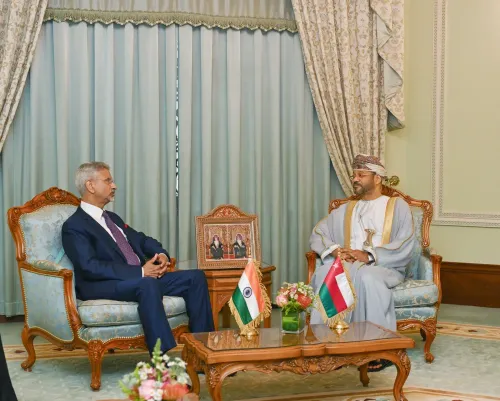
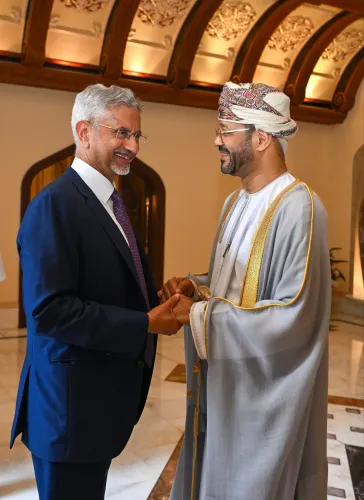
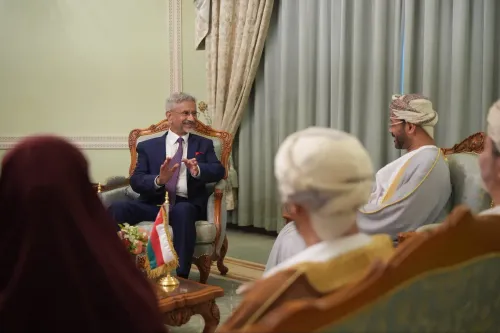
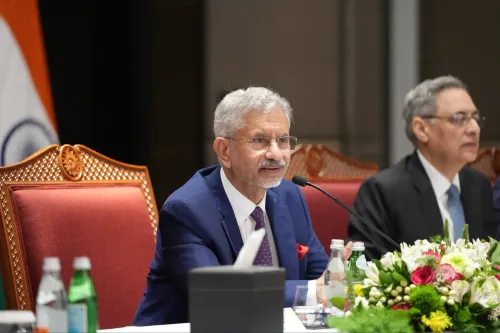
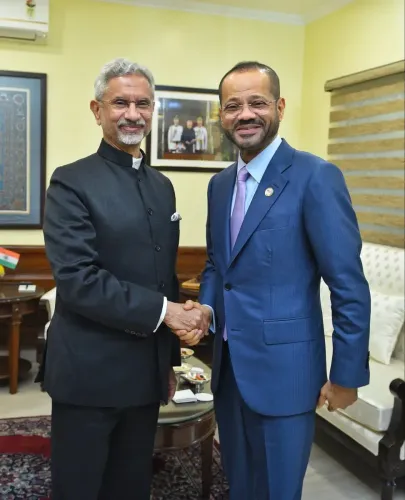
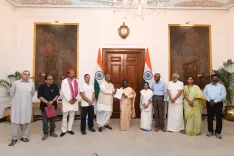
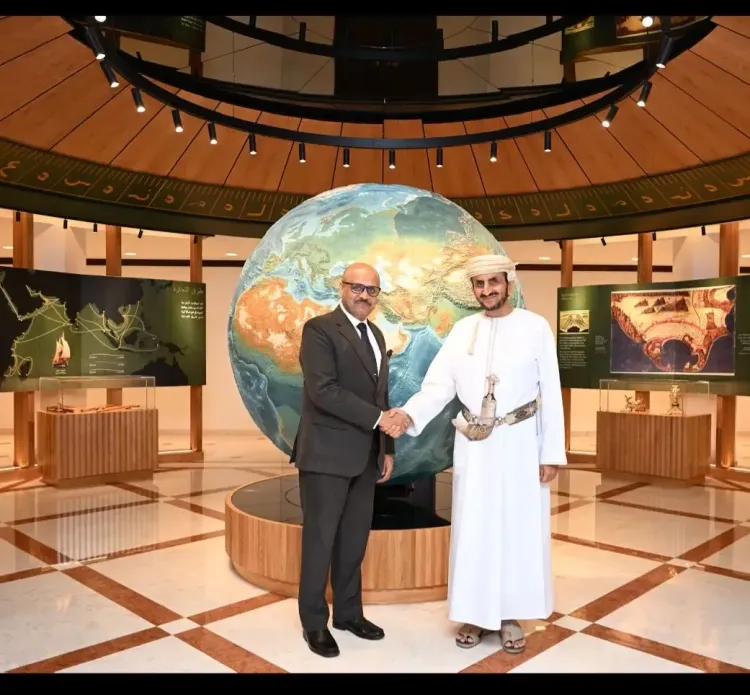
Muscat, Dec 5 (NationPress) India and Oman convened for the 14th session of the Strategic Consultative Group (IOSCG) in Muscat, where both parties addressed regional and global matters of common concern, as reported by the Ministry of External Affairs (MEA). The meeting, held on Thursday, was co-chaired by Arun Kumar Chatterjee, Secretary (CPV & OIA), MEA, and Sheikh Khalifa Alharthy, Undersecretary for Political Affairs, Ministry of Foreign Affairs, Oman.
The MEA indicated that the discussions encompassed the extensive strategic partnership between India and Oman across various sectors, including politics, defense, security, trade, investment, energy, agriculture, education, culture, and interpersonal relations. India and Oman share a historically warm and amicable relationship, enriched by trade and cultural ties.
This year marks the 70th anniversary of the establishment of diplomatic relations between India and Oman. Economic and commercial interactions are a significant foundation of their bilateral relationship, with trade estimated at US$ 10.61 billion for FY 2024-2025 and increasing investments between the two nations,” stated the MEA.
The MEA highlighted that Oman is home to a vibrant Indian community of approximately 675,000 individuals, which acts as a bridge to enhance connections between the two countries. The subsequent IOSCG gathering is slated to occur in New Delhi in 2026 at a mutually convenient time.
On November 24, India and Oman further solidified their commitment to advancing defense cooperation, focusing on progress regarding the Military Logistic Complex, intensified collaboration in shipbuilding, and enhanced training cooperation along with opportunities for defense exports.
This discussion took place during a meeting between Chief of Defence Staff (CDS) General Anil Chauhan and Oman's Ministry of Defence Secretary General Mohammed Bin Nasser Bin Ali Al-Zaabi, who was in New Delhi for the 13th Joint Military Cooperation Committee (JMCC) meeting.
In a statement released on X, the Integrated Defence Staff Headquarters noted, "General Anil Chauhan, Chief of Defence Staff, engaged in extensive discussions with HE Dr Mohammed Bin Nasser Bin Ali Al-Zaabi, Secretary General, MoD, Sultanate of Oman. The talks reaffirmed the intention to enhance Defense Cooperation through advancements in the Military Logistic Complex, improved collaboration in shipbuilding, MRO, and bolstered training cooperation along with avenues for defense exports.
Point of View
It is crucial to recognize the ongoing commitment between India and Oman to enhance their bilateral relations. The discussions held during the IOSCG meeting reflect a constructive approach to mutual interests, reinforcing not only economic but also cultural ties that have historically bound these two countries.
NationPress
9 Oct 2026
Frequently Asked Questions
What is the Strategic Consultative Group (IOSCG)?
The IOSCG is a platform for India and Oman to discuss and enhance their bilateral relations, focusing on various sectors such as defense, trade, and cultural cooperation.
When was the IOSCG meeting held?
The 14th round of the IOSCG meeting was held on December 5, 2023, in Muscat.
What are the key areas of collaboration between India and Oman?
Key areas of collaboration include political, defense, security, trade, investment, energy, agriculture, education, culture, and people-to-people ties.
How many Indians live in Oman?
There is a vibrant Indian community of approximately 675,000 residing in Oman.
What is the significance of the year 2023 for India and Oman?
The year 2023 marks the 70th anniversary of the establishment of diplomatic relations between India and Oman.