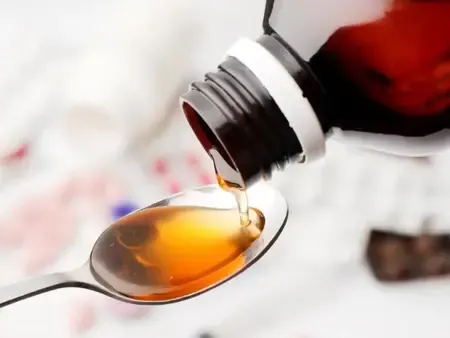
Is a Banned Veterinary Drug Still Endangering Vultures in TN?
Synopsis
A critical study reveals that a banned veterinary drug, diclofenac, continues to threaten India's endangered vultures, highlighting the urgent need for stricter enforcement against its illegal use. Despite measures taken, the survival of these birds hangs in the balance, prompting calls for comprehensive conservation efforts to protect their dwindling populations.
Key Takeaways
Diclofenac remains a significant threat to vultures despite being banned.
Three species of Gyps vultures are critically endangered in South Asia.
Illegal use of diclofenac persists in several regions, particularly Rajasthan.
Efforts in Tamil Nadu have shown some success, but enforcement challenges remain.
Stricter regulations and public awareness are crucial for vulture conservation.
Chennai, Dec 18 (NationPress) Researchers from Tamil Nadu have raised a new alarm regarding the persistent danger that a banned veterinary medication poses to India’s critically endangered vultures. A recent comprehensive study has confirmed that diclofenac, which was banned nearly two decades ago, continues to be utilized for treating livestock in various regions across the nation.
The research findings are part of the study titled: "The continued threat of toxic NSAIDs to Critically Endangered Gyps vultures in South Asia," carried out by a team of 13 researchers from 2012 to 2024 and recently published in Bird Conservation International.
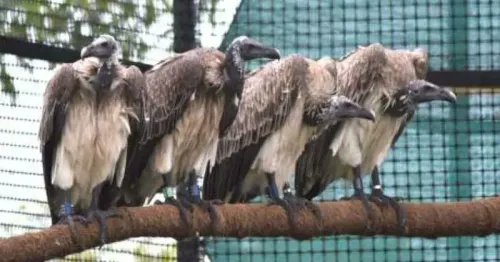
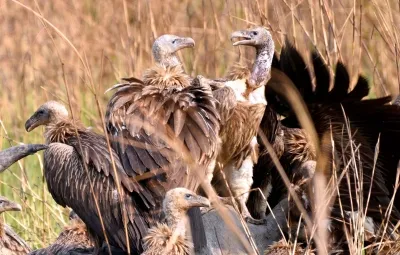
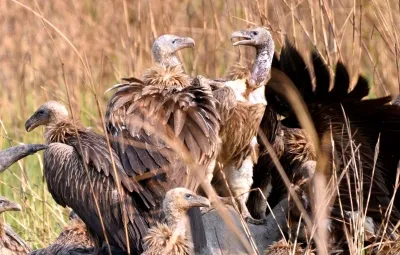
The study highlights that three Gyps species endemic to Asia—the white-rumped vulture, red-headed vulture, and long-billed vulture—are still experiencing a decline in numbers due to accidental poisoning.
These birds experience fatal kidney failure when they ingest carcasses from cattle treated with diclofenac, which has been identified as the main cause of the drastic decrease in vulture populations since the 1990s.
Although the Union government imposed a ban on the veterinary use of diclofenac in May 2006 and enacted further restrictions on multi-dose vials in 2015, the drug remains illegally available.
Researchers found that Rajasthan, a state with minimal conservation advocacy, displayed the highest prevalence, with up to 25 percent of pharmacies surveyed continuing to offer diclofenac.
In Tamil Nadu, the Vulture Safe Zones (VSZs) showed better results, but enforcement issues still persist.
S. Bharathidasan, secretary of the conservation organization Arulagam, which assisted in surveying VSZs in the state, noted that over 100 legal actions have been initiated against suppliers, manufacturers, and retailers. He mentioned that diclofenac vials found in Tamil Nadu primarily originated from Karnataka, outside the VSZ, where conservation outreach is limited.
The research also indicates that access to veterinary NSAIDs is uneven, with 64.3 percent of pharmacies in Tamil Nadu and 100 percent in Rajasthan providing them.
Much of the diclofenac found was stocked in 3-ml vials—permitted for human use but prohibited for veterinary applications, creating a loophole for misuse.
While the Centre has also banned ketoprofen and aceclofenac since July 2023, Tamil Nadu has proactively restricted flunixin usage in critical vulture habitats like The Nilgiris, Erode, and Coimbatore since 2019, and curtailed ketoprofen as early as 2015.
However, researchers caution that simply banning known toxic drugs is insufficient if untested alternatives with similar risks emerge. They stressed the importance of preventing the diversion of human-use vials for veterinary purposes and ensuring stringent enforcement, warning that vulture populations will remain at risk unless the illegal use of diclofenac is eradicated both statewide and nationally.
Point of View
It is imperative to recognize the serious implications of this study on both wildlife conservation and public health. The continued illegal use of diclofenac not only threatens the survival of our vulture species but also highlights a broader challenge in enforcing regulations. It is crucial that we advocate for stronger enforcement and public awareness campaigns to address this pressing issue.
NationPress
28 Sept 2026
Frequently Asked Questions
What is diclofenac and why is it banned?
Diclofenac is a non-steroidal anti-inflammatory drug (NSAID) that poses significant health risks to vultures when they consume carcasses of livestock treated with it. Its use in veterinary medicine was banned in India due to its role in the drastic decline of vulture populations.
Which species of vultures are affected?
The main species affected include the white-rumped vulture, red-headed vulture, and long-billed vulture, all of which are critically endangered.
What measures have been taken to protect vultures?
The Indian government has banned diclofenac and enacted restrictions on other harmful veterinary drugs. Tamil Nadu has established Vulture Safe Zones and taken steps to curb the use of harmful medications in key habitats.
Are there any legal actions against suppliers of diclofenac?
Yes, more than 100 legal cases have been filed against suppliers, manufacturers, and retailers found to be illegally selling diclofenac in Tamil Nadu.
What can be done to further protect vultures?
Increased enforcement of existing bans, public awareness campaigns, and monitoring of veterinary drug usage are essential to ensure the survival of vultures.