Kar Sevaks slam Sonia Gandhi over Babri memoir tears, ask about Pulwama silence
Synopsis
Sonia Gandhi's memoir confession — that she wept watching the Babri Masjid come down in 1992 — has drawn pointed fire from Kar Sevaks who allege she shed no comparable tears over the Pulwama attack or the Pahalgam terror strike. The row lifts a persistent question about Congress's religious optics at the worst possible political moment.
Key Takeaways
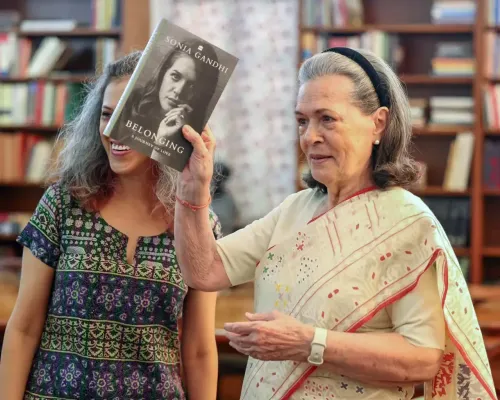
Sonia Gandhi recalled in her memoir 'Belonging: A Journey of Love' that she broke down watching the Babri Masjid demolition on 6 December 1992 .
Kar Sevak Sanjay Kumar questioned why Gandhi showed no similar grief over the Pulwama attack , the Pahalgam attack , or the Raghunath Temple bombing.
Kar Sevak Raj Rani alleged Gandhi was more distressed by the mosque's demolition than happy about the Ram Temple 's construction in Ayodhya .
Rani also alleged Congress leadership never supported residents of Rajouri in Jammu and Kashmir on Hindu religious issues.
The Congress has not formally responded to the criticism as of 11 November 2026 .
Kar Sevaks in New Delhi on Wednesday, 11 November 2026 sharply criticised Congress Parliamentary Party (CPP) Chairperson Sonia Gandhi over her emotional account of the Babri Masjid demolition in her newly released memoir 'Belonging: A Journey of Love', arguing that her reaction revealed deeper sorrow over the mosque's razing than any joy over the subsequent construction of the Ram Temple in Ayodhya.
What the Memoir Says
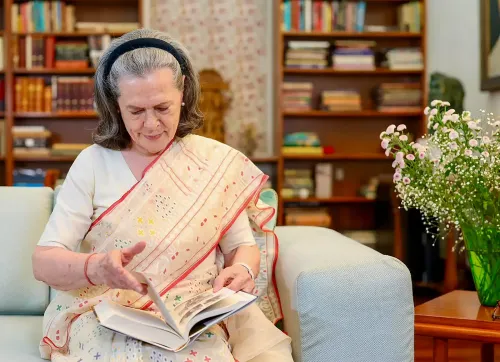
Sonia Gandhi revisited the events of 6 December 1992 in her memoir, recalling that she broke down in tears while watching the Babri Masjid being demolished on screen. The account has drawn renewed political attention, with critics from multiple quarters weighing in on its implications for Congress's stance on Hindu religious sensibilities.
Kar Sevaks Question the Selective Grief
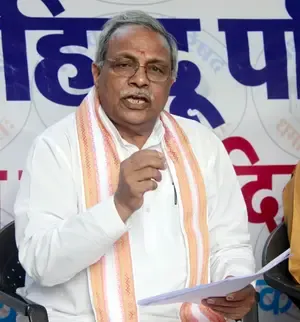
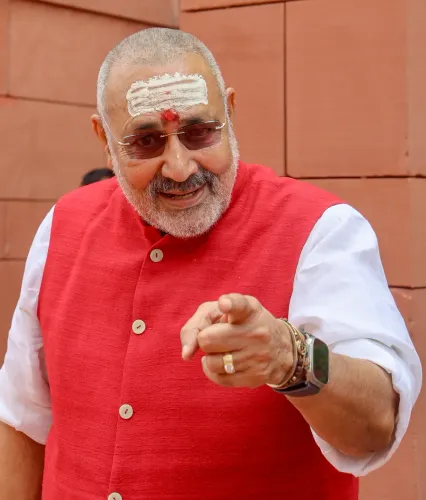
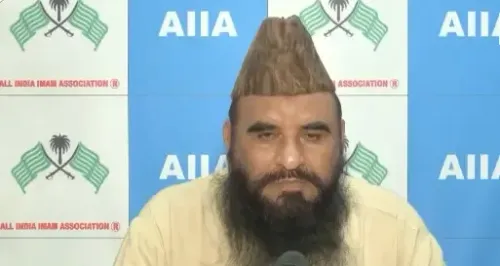
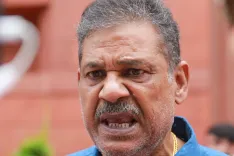
Kar Sevak Sanjay Kumar challenged the nature and timing of Gandhi's emotional response, drawing comparisons to terror attacks that he alleged went unmourned by her. 'If we say that she saw the events of 1992 on a screen and tears came to her eyes, why didn't she shed tears when Pulwama happened? Why didn't she shed tears when the Pahalgam attack took place? When a bomb exploded inside the Raghunath Temple, nobody spoke up,' Kumar said.
Kumar further questioned the historical framing in Gandhi's account. 'She has written her autobiography, in which she mentions that tears came to her eyes when the structure was demolished in 1992. I want to ask why tears came to her eyes at that particular moment,' he said, adding that Gandhi appeared unmoved by what he described as the original destruction of a temple at the site.
Second Kar Sevak Alleges Mosque Over Temple Distress
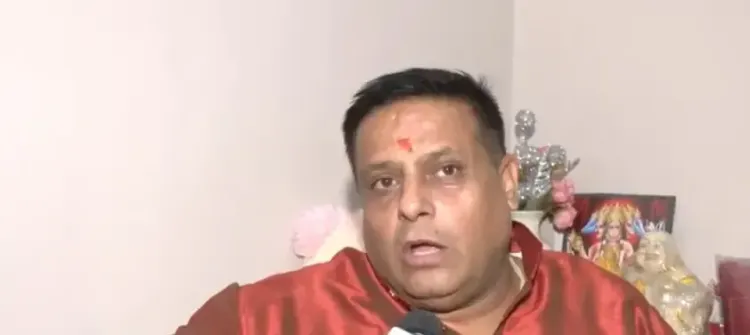
Another Kar Sevak, Raj Rani, echoed the criticism, contending that Gandhi's account pointed to grief over the mosque's demolition rather than any happiness over the Ram Temple's construction. 'Looking at her behaviour, it seems that she is deeply saddened by the demolition of the mosque rather than expressing any joy over the temple. She must have cried because of the deep sorrow she felt over the mosque,' Rani said.
Rani also alleged that the Congress leadership had consistently failed to support residents of border areas in Jammu and Kashmir, particularly in Rajouri, on matters relating to temples and Hindu religious sites. 'Whenever it came to any Hindu event or place of worship, their intention was always to have it erased. So how could they have supported the construction of the temple?' she alleged.
Political Context and What Comes Next
The criticism comes amid a broader political environment in which Congress's historical position on the Ram Temple and the Babri Masjid remains a live flashpoint, particularly as the party seeks to consolidate its Hindu voter base ahead of upcoming state elections. Gandhi's memoir, released recently, has reignited a decades-old debate about the party's religious and cultural positioning. The Congress leadership has not issued a formal response to the Kar Sevaks' remarks as of publication. Further political reactions are expected as the memoir gains wider readership.
Point of View
Stretching from the 1980s through the Supreme Court verdict, left it exposed to exactly this kind of critique. What is notable is that the Kar Sevaks chose to amplify the story rather than let it pass, suggesting they see electoral value in keeping Gandhi's 1992 reaction in public circulation. For Congress, whose efforts to reconnect with Hindu voters have been uneven, the memoir has inadvertently handed opponents a ready-made narrative that is difficult to rebut on emotional terms alone.
NationPress
11 Nov 2026
Frequently Asked Questions
What did Sonia Gandhi write about the Babri Masjid demolition in her memoir?
Sonia Gandhi wrote in her memoir 'Belonging: A Journey of Love' that she broke down in tears while watching the Babri Masjid being demolished in Ayodhya on 6 December 1992. The account has drawn criticism from Kar Sevaks who allege it reflects grief over the mosque rather than any happiness over the Ram Temple's subsequent construction.
Why are Kar Sevaks criticising Sonia Gandhi?
Kar Sevaks argue that Gandhi's emotional response to the 1992 Babri Masjid demolition, as described in her memoir, was not matched by comparable expressions of grief over terror attacks such as the Pulwama and Pahalgam strikes. They allege this reflects the Congress leadership's perceived indifference to Hindu religious sensibilities.
What did Kar Sevak Sanjay Kumar say about Sonia Gandhi?
Sanjay Kumar questioned why Gandhi shed tears over the Babri Masjid's demolition but not over the Pulwama attack, the Pahalgam attack, or the bombing of the Raghunath Temple. He framed it as evidence of selective grief tied to political interests rather than genuine humanitarian concern.
What allegations did Kar Sevak Raj Rani make?
Raj Rani alleged that Gandhi appeared more saddened by the mosque's demolition than happy about the Ram Temple's construction, and further claimed that Congress leaders never extended support to border-area residents of Rajouri in Jammu and Kashmir on issues involving Hindu religious places.
Has Congress responded to the Kar Sevaks' criticism?
As of 11 November 2026, the Congress leadership had not issued a formal response to the remarks made by the Kar Sevaks. Further political reactions are expected as the memoir draws wider readership and media attention.