Sonia Gandhi's Babri tears 'crocodile tears', says Muslim cleric
Synopsis
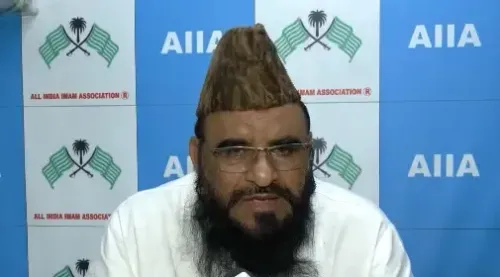
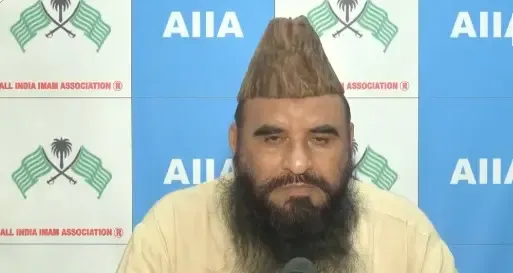
Sonia Gandhi's claim that she wept watching the 1992 Babri demolition on television has drawn fire from an unlikely quarter: Muslim clerics and former karsevaks alike are calling it hollow. All India Imam Association chief Maulana Sajid Rashidi's 'crocodile tears' rebuke captures a political irony — a statement meant to signal solidarity has instead reopened questions about Congress's decades of inaction on the very issue it claims to mourn.
Key Takeaways
Sonia Gandhi claimed in a The Guardian interview, ahead of her memoir launch, that she 'cried' watching the 1992 Babri Masjid demolition on television.
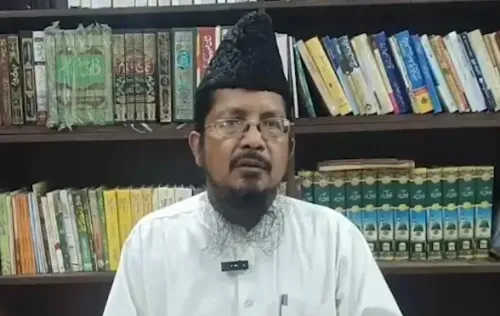
Maulana Sajid Rashidi , President of the All India Imam Association , called her remarks 'crocodile tears', citing Congress's inaction during its years in power ( 1992–1996 and 2004–2014 ).
Rashidi alleged Congress governments presided over hundreds of communal riots in which the Muslim community paid the highest price.
Former karsevak Santosh Dubey blamed the Congress — including Rajiv Gandhi , Indira Gandhi , and Prime Minister P.V.
Narasimha Rao — for the demolition itself.
The BJP had already issued scathing criticism before the latest round of reactions widened the controversy further.
Congress Parliamentary Party (CPP) Chairperson Sonia Gandhi's remarks about the 1992 Babri Masjid demolition in Ayodhya have drawn sharp criticism not only from the Bharatiya Janata Party (BJP) but also from Muslim clerics and former karsevaks, exposing her statement to attacks from across the political spectrum.
The Cleric's Verdict: Crocodile Tears
All India Imam Association President Maulana Sajid Rashidi did not mince words in his response. 'Sonia Gandhi's tears are crocodile tears and merely for show. The Congress was in power from 1992 to 1996 and again from 2004 to 2014. Action could also have been taken against those involved in the conspiracy behind the Babri demolition but it never took any step,' he said.
Rashidi posed a pointed question at the former Congress president: if she was genuinely aggrieved by the demolition, why did her governments never move to rebuild the mosque during Congress's combined decades in office? He also cited a court observation that called for action against those behind the conspiracy, arguing that the Congress governments had the authority to ban organisations such as the RSS and VHP and prosecute those responsible, but chose not to.
'These are artificial tears of 2027,' Rashidi said, while also leaving the door open for a course correction. 'There is still some time. If it seriously wants to atone for its wrongdoings, it must promise to raise the Babri mosque again, vow to jail and punish those who brought down the mosque,' he added.
What Triggered the Controversy
The row erupted after Sonia Gandhi, in an interview with The Guardian ahead of the launch of her memoir 'Belonging: A Journey of Love', allegedly recalled 'crying' after watching the Babri Masjid demolition unfold on television. The admission drew an immediate and fierce response from the BJP, and the backlash has since widened to include voices that the Congress might have expected to be more sympathetic.
Notably, Rashidi also alleged that hundreds of communal riots occurred under Congress governments and that in each instance it was the Muslim community that bore the greatest cost — a charge that deepens the credibility problem the statement has created for the party.
Karsevaks Fire Back Too
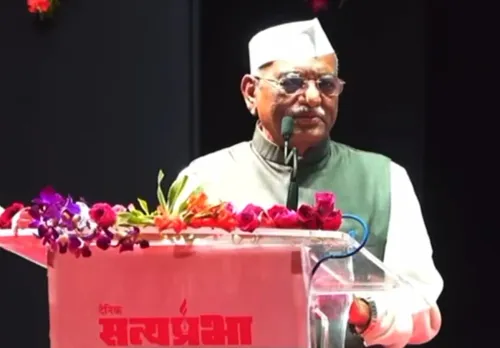
Former karsevak Santosh Dubey offered a starkly different reading of history, placing the blame for the demolition squarely on the Congress. 'It was her own family that was responsible for the demolition of the Babri Masjid. Rajiv Gandhi, her mother-in-law Indira Gandhi, the Congress party and the then Prime Minister P.V. Narasimha Rao also had a role in it. Both Hindus and Muslims were offered all kinds of inducements,' Dubey alleged, without providing supporting evidence for his specific claims.
Dubey also questioned what he characterised as Congress's 'duplicity' on the issue of the Hindu exodus from Jammu and Kashmir, broadening his attack beyond the Babri episode itself.
A Statement That Pleases Nobody
The episode underscores the political tightrope that any reference to the 1992 demolition represents for the Congress. The party faces the unusual predicament of having its leader's expression of regret challenged both by Hindu nationalist voices who contest her narrative of the events and by Muslim leaders who argue the regret rings hollow given Congress's long hold on power and its failure to act. This comes amid the broader context of the Ayodhya issue, which was settled — at least legally — by the Supreme Court's 2019 verdict awarding the disputed land to the Ram Lalla deity.
How the Congress responds to criticism from both sides of the divide will be closely watched as Sonia Gandhi's memoir enters public circulation.
Point of View
Making the political symbolism of such grief harder to convert into any concrete promise. For the Congress, the lesson is that expressions of historical remorse, without an accompanying policy commitment, risk satisfying neither constituency.
NationPress
8 Nov 2026
Frequently Asked Questions
What did Sonia Gandhi say about the Babri Masjid demolition?
Sonia Gandhi reportedly said in an interview with The Guardian, ahead of her memoir 'Belonging: A Journey of Love', that she recalled 'crying' after watching the 1992 Babri Masjid demolition unfold on television. The remark has since triggered criticism from the BJP, Muslim clerics, and former karsevaks.
Why did Maulana Sajid Rashidi criticise Sonia Gandhi?
All India Imam Association President Maulana Sajid Rashidi called her tears 'crocodile tears', arguing that Congress governments were in power from 1992 to 1996 and again from 2004 to 2014 yet never prosecuted those behind the demolition or moved to rebuild the mosque. He said the regret rang hollow given the party's long record of inaction.
What did former karsevak Santosh Dubey say about the Babri demolition?
Santosh Dubey alleged that the responsibility for the Babri Masjid demolition rested with the Congress party itself, citing the roles of Rajiv Gandhi, Indira Gandhi, and Prime Minister P.V. Narasimha Rao. He also questioned what he called Congress's duplicity on the Hindu exodus from Jammu and Kashmir.
What is Sonia Gandhi's memoir about?
Sonia Gandhi's memoir is titled 'Belonging: A Journey of Love'. The interview given to The Guardian ahead of its launch included her remarks about the 1992 Babri Masjid demolition, which set off the current controversy.
What was the BJP's reaction to Sonia Gandhi's Babri remark?
The BJP responded with scathing criticism to Sonia Gandhi's claim, though the specifics of their statements were not detailed in the available reporting. Their reaction preceded and helped fuel the wider backlash that followed from Muslim clerics and former karsevaks.