Muslim cleric warns against naming Murshidabad mosque 'Babri Masjid', urges Humayun Kabir to back down
Synopsis
A senior Muslim cleric from Bareilly has publicly rebuked AJUP chief Humayun Kabir over his push to name a new Murshidabad mosque 'Babri Masjid' — warning it would shatter India's current peace. With Kabir threatening a highway blockade on 6 December, the anniversary of the 1992 demolition, the row is escalating fast and local authorities are on alert.
Key Takeaways
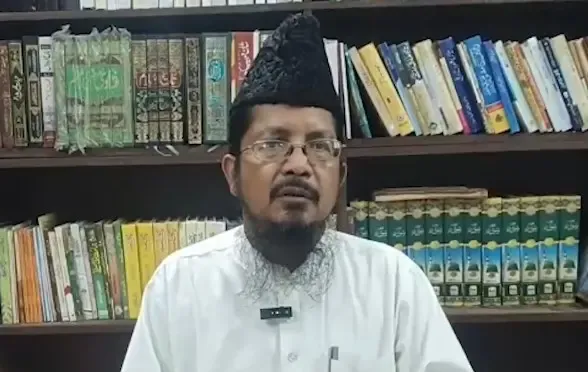
Maulana Mufti Shahabuddin Razvi Barelvi of the All India Muslim Jamaat cautioned Humayun Kabir on 5 November against naming a proposed mosque in Murshidabad as 'Babri Masjid'.
The cleric supports the mosque's construction but urges Kabir to choose a different, 'more pleasant and appealing' name.
Kabir , a former TMC leader and AJUP chief, has threatened to block National Highway-34 across a 30 km stretch on 6 December , the scheduled construction start date.
Kabir warned that supporters would mobilise from Krishnanagar to Berhampore and across several adjoining areas on that day.
Local authorities in Murshidabad are reportedly preparing to prevent potential law and order disturbances ahead of 6 December .
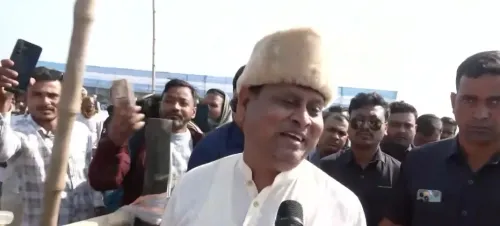
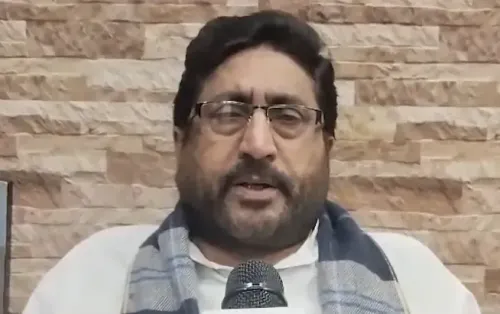
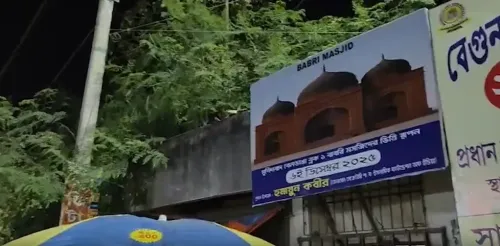
All India Muslim Jamaat National President Maulana Mufti Shahabuddin Razvi Barelvi on Thursday, 5 November cautioned Aam Janata Unnayan Party (AJUP) chief and legislator Humayun Kabir against naming a proposed mosque in Murshidabad, West Bengal, 'Babri Masjid', warning that the move could reignite communal tensions that have long been settled.
The Cleric's Warning
Speaking to reporters, Maulana Shahabuddin Razvi Barelvi said: 'Babri Masjid was a historic mosque in Ayodhya. The Supreme Court subsequently ordered the construction of the Ram Temple at the site, and after that, the dispute over the mosque and temple came to an end.' He added: 'No one should now attempt to reignite conflicts and disputes in the name of a mosque and a temple. I would like to tell Humayun Kabir that India is currently enjoying an atmosphere of peace and harmony. In such a situation, naming a mosque 'Babri Masjid' would give rise to a new controversy and fresh tensions.'
While the cleric did not oppose the mosque's construction itself, he urged Kabir to choose a different name — 'something more pleasant and appealing,' in his words.
What Humayun Kabir Has Said
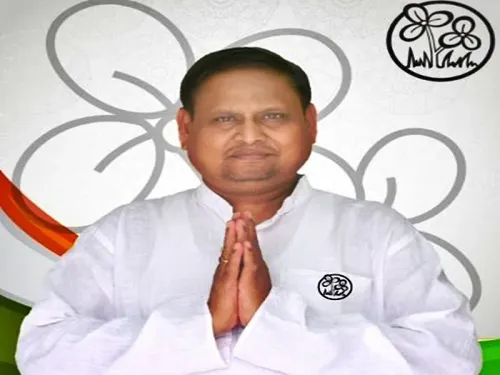
The intervention comes days after Kabir, a former All India Trinamool Congress (TMC) leader, renewed his threat to block National Highway-34 on 6 December — the day construction of the proposed mosque is scheduled to begin. Speaking at the Bari Masjid premises in Beldanga, Kabir said a stretch of roughly 30 km between Rejinagar and Berhampore would remain 'under his control' on that date.
'On the day of the construction of the Babri Masjid, we will block the national highway. If the administration has the power, let the police stop us. From Krishnanagar to Berhampore, Domkal to Berhampore, Jalangi to Berhampore, Sainthia to Kandi and Berhampore, and Burdwan to the Nabadwip Bridge, our people will be on the roads,' Kabir said. He also claimed that his supporters would mobilise across several adjoining areas on the same day.
Administration on Alert
Local authorities in Murshidabad are reportedly preparing measures to prevent any law and order disturbance ahead of 6 December. The administration has not publicly commented on Kabir's specific threat to blockade the highway.
Background and Context
The proposed mosque in Murshidabad has drawn national attention primarily because of Kabir's insistence on naming it after the demolished Babri Masjid in Ayodhya. The Supreme Court in 2019 ruled in favour of constructing the Ram Temple at the disputed Ayodhya site, with an alternative plot allotted for a mosque — a verdict widely regarded as a closure to one of independent India's longest-running disputes. Critics and Muslim leaders alike have argued that invoking the Babri name in a new construction risks reopening wounds from that chapter. Notably, the warning from a prominent cleric of Bareilly — a city with significant religious authority in the Barelvi tradition — carries particular weight in this context, as it signals that Kabir's position does not enjoy broad support within the Muslim community itself.
What Happens Next
All eyes are now on 6 December, the symbolic anniversary of the 1992 Babri Masjid demolition, when Kabir has threatened to mobilise supporters across Murshidabad and adjoining districts. Whether authorities intervene or Kabir scales back his position in response to pressure from community leaders remains to be seen.
Point of View
It signals that the provocative naming carries no broad religious endorsement — it is political theatre aimed at a specific constituency. The 6 December date is not incidental; it is the anniversary of the 1992 demolition, chosen for maximum symbolic resonance. That choice alone reveals the intent: escalation over resolution. Authorities in Murshidabad face a familiar dilemma — intervene too early and risk appearing heavy-handed, intervene too late and risk the very disorder they are trying to prevent. What mainstream coverage is missing is a closer look at whether Kabir's exit from the TMC and his new AJUP platform are driving this brinkmanship, and whether local electoral calculations are more relevant than any genuine religious grievance.
NationPress
5 Nov 2026
Frequently Asked Questions
Why is a Muslim cleric opposing the naming of a mosque 'Babri Masjid'?
Maulana Mufti Shahabuddin Razvi Barelvi argues that the Babri Masjid dispute was legally resolved by the Supreme Court in 2019 and that reviving the name in a new context would create fresh communal tensions. He supports the mosque's construction but insists a different name should be chosen to preserve peace.
What has Humayun Kabir threatened to do on 6 December?
Kabir has threatened to block National Highway-34 across a roughly 30 km stretch between Rejinagar and Berhampore on 6 December, when construction of the proposed mosque is scheduled to begin. He also said his supporters would take to roads across Krishnanagar, Domkal, Jalangi, Sainthia, and Burdwan.
Where is the proposed mosque located?
The proposed mosque is located in Murshidabad district, West Bengal. The exact site has not been specified in official statements, but Kabir addressed supporters at the Bari Masjid premises in Beldanga in connection with the project.
What is the significance of 6 December in this context?
6 December is the anniversary of the 1992 demolition of the Babri Masjid in Ayodhya, making it a symbolically charged date. Kabir's choice of this date for the construction launch and the threatened highway blockade is widely seen as a deliberate escalation.
What is the administration doing about the threatened blockade?
Local authorities in Murshidabad are reportedly preparing measures to prevent potential law and order disturbances around 6 December. No official statement has been made publicly regarding Kabir's specific threat to blockade National Highway-34.