Amit Shah backs Savarkar's framing of 1857 as freedom struggle
Synopsis
Union Home Minister Amit Shah invoked Veer Savarkar's 1909 thesis on X, arguing that left-wing historians were wrong to call the 1857 uprising a mere rebellion and that every Indian should see it as a war of independence — reigniting a long-running historiographical and curriculum debate.
Key Takeaways
Amit Shah posted on November 5, 2026 backing Veer Savarkar's characterisation of the 1857 uprising as a war of independence, not a rebellion.
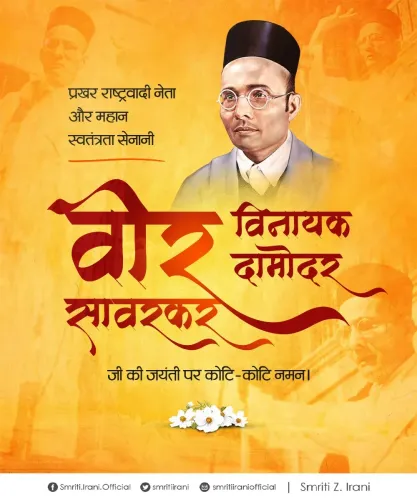
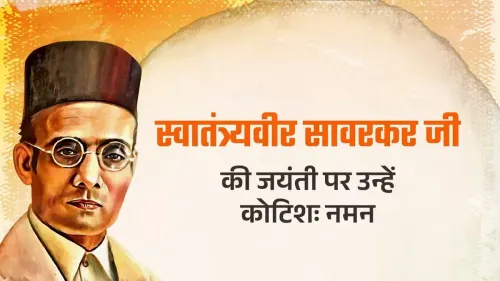
Savarkar published The Indian War of Independence in 1909 , framing 1857 as an organised anti-colonial struggle; British authorities banned the book before its India release.
Shah explicitly criticised 'left-wing historians' for labelling the events a 'rebellion,' a charge the BJP has long directed at Marxist and colonial-revisionist scholarship.
The debate has real policy stakes: it intersects with ongoing NCERT textbook revision discussions and state-level history education initiatives.
Shah's appeal to 'Maa Bharati ki har santan' (every child of Mother India) positions the argument as a question of national identity, not just academic interpretation.
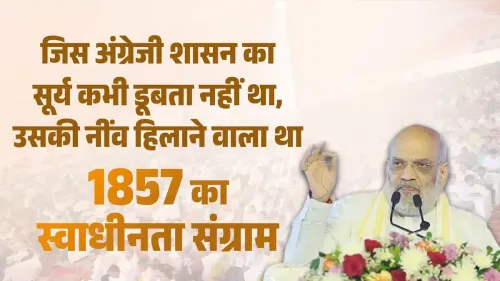
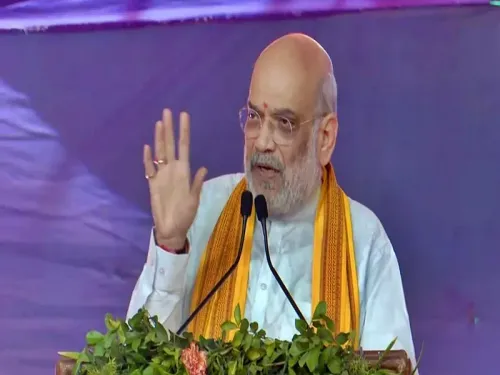
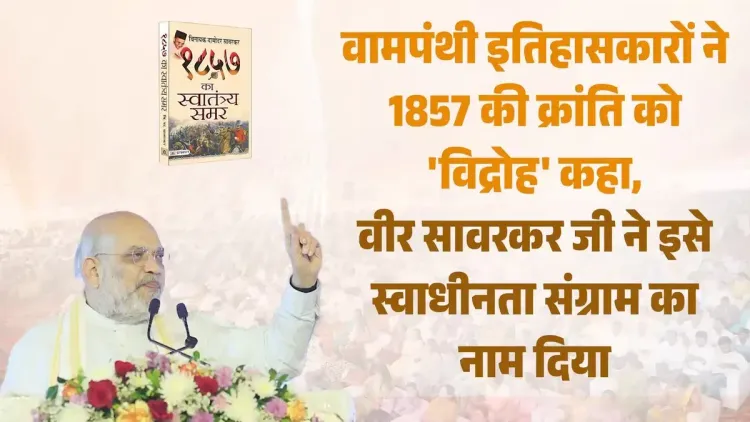
A century-old historiographical argument landed back in the national conversation on Thursday, November 5, 2026, when Union Home Minister Amit Shah posted on X to defend Veer Savarkar's characterisation of the 1857 uprising — asserting that left-wing historians were wrong to call it a mere 'rebellion' and that every Indian should recognise it as a war of independence.
Shah's post, written in Hindi, states: 'Vamapanthi itihasakaron ne 1857 ki kranti ko vidroh keh diya, par Veer Savarkar ji ne sach kaha tha…' — 'Left-wing historians labelled the revolution of 1857 a rebellion, but Veer Savarkar had told the truth… For every child of Mother India, this was not a rebellion but a freedom struggle.'
Savarkar's 1909 argument and why it still sparks debate
The intellectual fault line Shah is invoking is more than a century old. In 1909, Vinayak Damodar Savarkar published The Indian War of Independence, deliberately counter-programming the British colonial label of 'sepoy mutiny.' Savarkar argued that the events of 1857 were not a disorganised soldiers' revolt but a coordinated, ideologically coherent uprising against East India Company rule — the first organised assertion of Indian nationhood. The British authorities found the book dangerous enough to ban it before publication in India.
Mainstream academic historiography — shaped substantially by scholars working within Marxist and colonial-revisionist frameworks — has long debated the degree of ideological unity among the 1857 fighters, noting that the uprising drew together soldiers, princes, and peasants with varying and sometimes contradictory grievances. It is this strand of scholarship that Shah's post squarely targets.
BJP's larger campaign to reframe the independence narrative
BJP leaders have consistently pressed Savarkar's interpretation as the authentic nationalist account, pushing back against what they describe as a colonial and Marxist historiography that diminished India's pre-Gandhi freedom movement. The party and its ideological allies have linked this argument to concrete policy arenas: official commemorations, state-sponsored history seminars, and, most consequentially, school curricula.
Curriculum revision has been the sharpest theatre of this contest. NCERT textbook updates have periodically become flashpoints, with critics arguing that revisions trim or reframe content on certain historical periods, and supporters contending that colonial-era biases are finally being corrected. Shah's post, arriving in this climate, signals that the political will to press this argument remains firm.
What the framing war is really about
At its core, the dispute is not merely academic — it is about which figures anchor India's national origin story. If 1857 is the 'First War of Independence,' then Savarkar, who named it so, earns a foundational place in the nationalist pantheon alongside figures more conventionally celebrated. Shah's invocation of 'Maa Bharati ki har santan' — 'every child of Mother India' — is a deliberate appeal to that inclusive emotional register: this history belongs to all Indians, he argues, not to an ideological gatekeeping class.
The argument will almost certainly echo in classrooms, examination halls, and heritage corridors long after the post scrolls off a feed. History, it turns out, is never finished.
Point of View
Not just Gandhi or Nehru, stands as a founding figure. By invoking the 'every child of Mother India' frame, Shah democratises the argument, making it an emotional appeal rather than a purely academic one, which is harder to rebut on scholarly grounds alone. The timing, with NCERT textbook debates still live, suggests the post is as much a policy signal as a historical observation. Historians who dispute the 'First War of Independence' label will find little comfort in the fact that the minister's platform vastly outreaches any academic journal.
NationPress
6 Nov 2026
Frequently Asked Questions
What did Veer Savarkar say about the 1857 revolt?
In his 1909 book The Indian War of Independence , Savarkar argued that the 1857 uprising was not a disorganised sepoy mutiny but India's first organised, ideologically unified struggle against British colonial rule — a thesis the British found threatening enough to ban before the book could be published in India.
Why do BJP leaders call 1857 India's first war of independence?
BJP leaders follow Savarkar's framing, which characterises the 1857 events as a coordinated national uprising against the East India Company rather than a mere soldiers' revolt. They argue that colonial and Marxist historians deliberately downplayed its nationalist character to serve their own ideological purposes.
What is the controversy between BJP and left-wing historians over 1857?
Left-leaning and colonial-revisionist historians have debated the degree of unified nationalist intent among the 1857 fighters, noting the diverse and sometimes contradictory grievances of soldiers, princes, and peasants involved. BJP leaders counter that this framing serves a colonial legacy and that Savarkar's 'First War of Independence' label is the authentic nationalist account.
Could Amit Shah's post affect NCERT textbooks on 1857?
Shah's post signals continued political will to reshape India's official historical narrative. NCERT textbook revisions have been a live debate, and statements from senior ministers like Shah often precede or accompany policy moves in education; however, no specific new revision has been announced with this post.
What does 'Maa Bharati ki har santan' mean in Amit Shah's post?
The Hindi phrase translates to 'every child of Mother India.' Shah uses it to frame the 1857 historical debate as a matter of national identity and belonging — arguing that all Indians, regardless of background, should see 1857 as their freedom struggle, not a narrow factional rebellion.