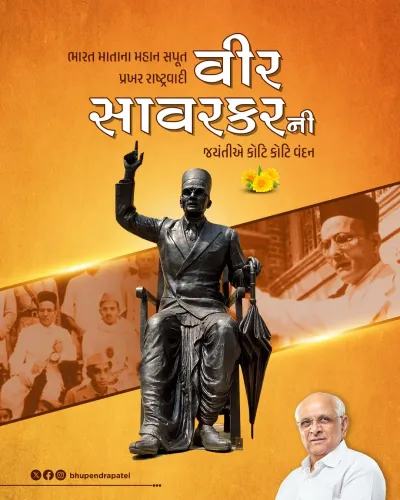
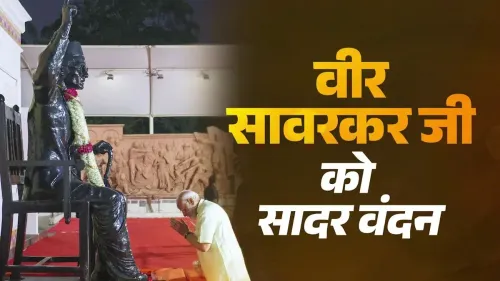
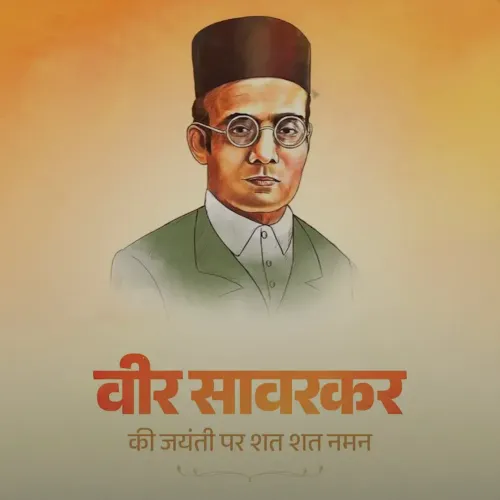
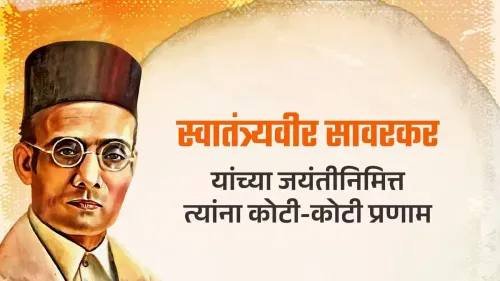
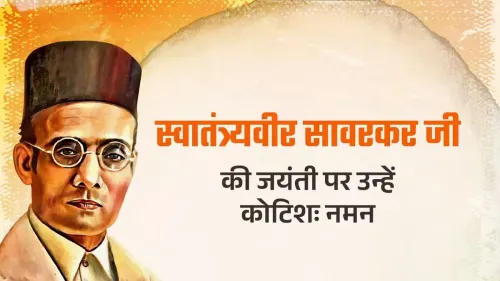
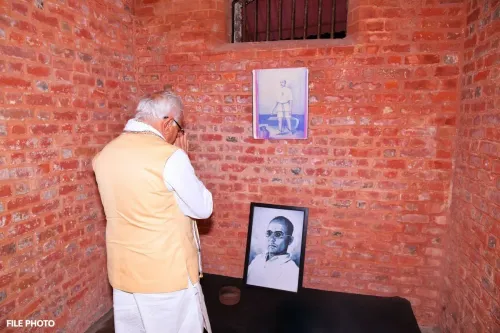
Amit Shah pays tribute to Veer Savarkar on birth anniversary in Gandhinagar
Synopsis
Amit Shah used Savarkar's birth anniversary to mount a detailed public defence of the revolutionary's legacy — from two life sentences in the Cellular Jail to a book the British banned before it was even published. The tribute in Gandhinagar signals the BJP's continued effort to centre Savarkar in India's mainstream freedom narrative.
Key Takeaways
Home Minister Amit Shah paid tributes to Veer Savarkar on his birth anniversary on 28 May in Sonipur village, Gandhinagar, Gujarat .
Shah said Savarkar earned the title 'Veer' through personal sacrifice, not official recognition.
According to Shah, Savarkar was the only freedom fighter to receive two life imprisonment sentences in one lifetime.
Shah recalled Savarkar's defiant reply to a British jailer at the Cellular Jail, Andaman and Nicobar Islands , who cited a 120-year sentence .
Shah highlighted Savarkar's book The Indian War of Independence 1857 , which he said the British banned before publication.
Shah also credited Savarkar with social reform work, including opening temples to the Dalit community and founding the Patit Pavan temple .
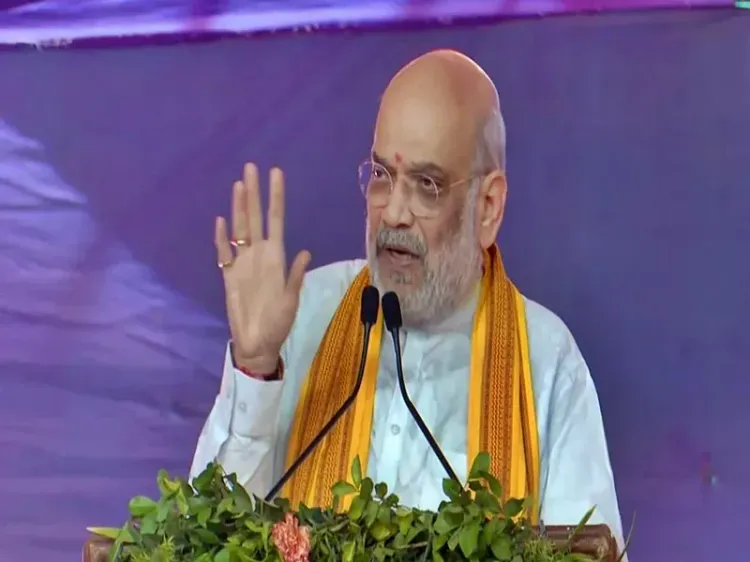
Union Home Minister Amit Shah on Thursday, 28 May paid tributes to Veer Savarkar on his birth anniversary, describing the revolutionary leader as a lifelong patriot who dedicated himself entirely to India's freedom struggle and social reform. Shah made the remarks while addressing a public gathering in Sonipur village of Gandhinagar district, Gujarat.
Courage That Earned a Title
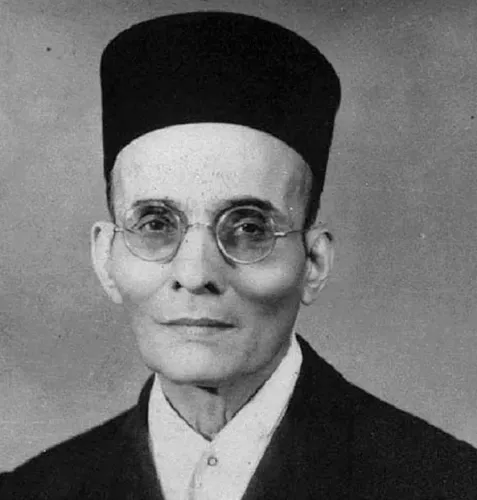
Shah said that Vinayak Damodar Savarkar earned the title 'Veer' through personal courage and sacrifice, not through any official recognition. 'Savarkar ji was such a patriot that the government never needed to give him any title of honour. Every child in the country remembers him as Veer Savarkar,' Shah said.
The Home Minister noted that Savarkar was, according to him, the only leader in the entire freedom movement to receive two life imprisonment sentences in a single lifetime — a distinction Shah held up as testament to his commitment to the cause.
The Cellular Jail and a Defiant Reply
Shah recalled a widely cited anecdote from Savarkar's imprisonment at the Cellular Jail in the Andaman and Nicobar Islands. When a British jailer reportedly told Savarkar that his 120-year sentence meant he would never leave, Savarkar allegedly replied that the British government itself would not survive that long and that India would soon be free. Shah narrated this episode to illustrate what he described as Savarkar's unshakeable resolve under colonial oppression.
The Banned Book on 1857
Shah also highlighted Savarkar's intellectual challenge to the British colonial narrative. 'The British called the 1857 freedom struggle a rebellion. Savarkar wrote a book titled The Indian War of Independence 1857, which the British banned even before publication out of fear,' Shah said. The minister further claimed that Savarkar, denied paper and pen in the Cellular Jail, wrote patriotic poetry on stone walls using his own blood.
Social Reform and the Patit Pavan Temple
Beyond the freedom movement, Shah credited Savarkar with significant social reform work, particularly his efforts against untouchability. 'It was Savarkar ji who opened temples for the Dalit community and established the Patit Pavan temple during that period,' Shah said. The Home Minister argued that Savarkar's legacy spans both political liberation and social transformation in Indian society.
Shah's Closing Tribute
Shah concluded his address by offering tributes to Savarkar, saying he bowed before him 'with deep reverence' on the occasion of his birth anniversary. The event in Sonipur is part of a series of commemorations marking Savarkar's birth anniversary across the country. How Savarkar's legacy continues to be framed in public discourse — celebrated by the ruling dispensation and contested by critics — remains a live political question in contemporary India.
Point of View
A framing that remains contested among historians and opposition parties. The emphasis on two life sentences and the Cellular Jail narrative is deliberate — it counters the long-running charge that Savarkar's mercy petitions to the British undermined his revolutionary credentials. What is absent from such tributes is any engagement with that controversy, which means the public discourse around Savarkar remains polarised rather than resolved. Canonising a figure without acknowledging the full historical record is a choice — and it shapes how the next generation understands the freedom struggle.
NationPress
11 Oct 2026
Frequently Asked Questions
Why did Amit Shah pay tribute to Veer Savarkar on 28 May?
28 May is the birth anniversary of Vinayak Damodar Savarkar, also known as Veer Savarkar. Home Minister Amit Shah addressed a public gathering in Sonipur village, Gandhinagar, Gujarat, to mark the occasion and highlight Savarkar's contributions to India's freedom struggle and social reform.
What did Amit Shah say about Savarkar's imprisonment?
Shah said Savarkar was the only leader in the freedom movement to receive two life imprisonment sentences in a single lifetime. He also recalled an anecdote from the Cellular Jail in the Andaman and Nicobar Islands, where Savarkar allegedly told a British jailer that the British government would not outlast his 120-year sentence.
What is the book 'The Indian War of Independence 1857' that Shah mentioned?
It is a book written by Veer Savarkar that reframed the 1857 uprising as a war of independence rather than a mere rebellion, directly challenging the British colonial narrative. According to Shah, the British authorities banned the book even before it was published.
What social reforms did Amit Shah credit to Savarkar?
Shah credited Savarkar with working against untouchability, opening temples to the Dalit community, and establishing the Patit Pavan temple. He argued that Savarkar's legacy extends beyond political resistance to social and cultural reform in Indian society.
Where did Amit Shah deliver the tribute to Savarkar?
Shah addressed a public gathering in Sonipur village of Gandhinagar district in Gujarat on 28 May, as part of commemorations marking Savarkar's birth anniversary.