CM Dhami marks Yamunotri Dham winter closure with prayers
Synopsis
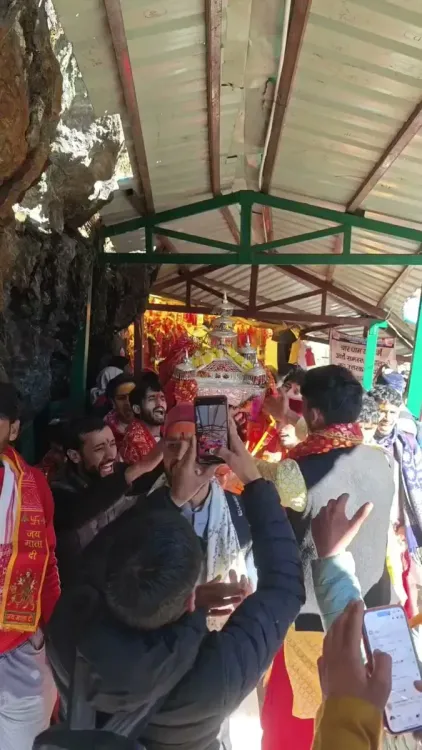
Uttarakhand CM Pushkar Singh Dhami marked the winter closure of Yamunotri Dham on 11 November 2026, noting that the temple gates shut with Vedic chanting and ritual. He prayed for Maa Yamuna's blessings of peace, prosperity, and health for all Uttarakhand residents.
Key Takeaways
The kapaat (temple doors) of Yamunotri Dham closed for the winter season on 11 November 2026 .
The closure was performed with Vedic chanting and prescribed rituals , as per centuries-old tradition.
CM Pushkar Singh Dhami offered prayers for peace, prosperity, happiness, and good health for all Uttarakhand residents.
Yamunotri is the westernmost of the four Char Dham pilgrimage sites and sits at the glacial source of the Yamuna river .
The shrine typically reopens in April or May each year, subject to the Hindu calendar and mountain weather conditions.
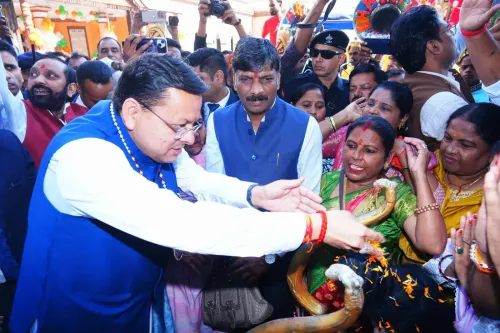
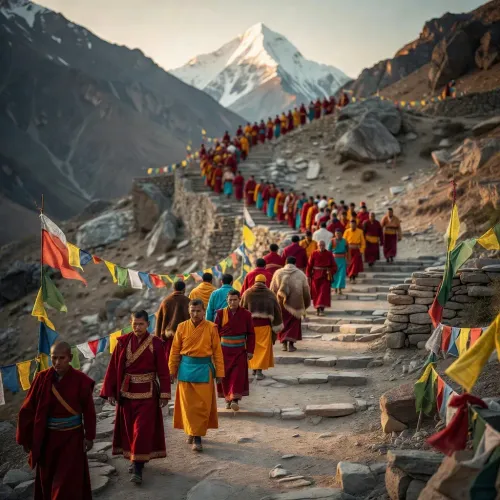
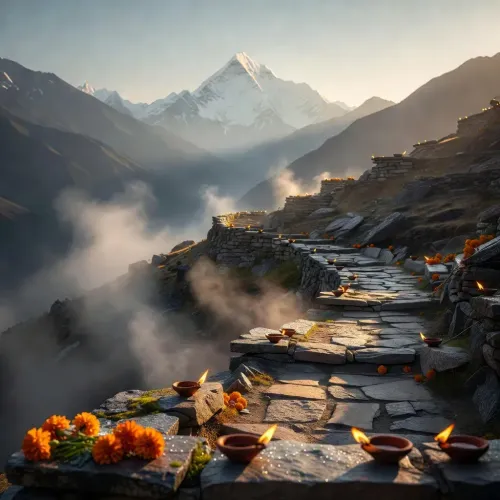
High in the Garhwal Himalayas, the gates of Yamunotri Dham have shut for another winter — sealed with Vedic chants, ancient ritual, and the quiet solemnity that marks the end of each pilgrimage season at one of India's most sacred high-altitude shrines. Uttarakhand Chief Minister Pushkar Singh Dhami marked the occasion on Wednesday, 11 November 2026, with a prayer that the goddess Yamuna's blessings bring peace, happiness, prosperity, and good health to all residents of the state.
Posting on X in Hindi, CM Dhami opened with the invocation 'Jai Maa Yamuna!' — 'Victory to Mother Yamuna!' — and described the closure as taking place 'vaidik mantrocchar evam vidhi-vidhan ke saath' ('with Vedic chanting and prescribed rituals'). He called Yamunotri the sacred origin of Maa Yamuna, a symbol of faith, purity, and spiritual consciousness.
Yamunotri: where the Yamuna begins and pilgrimage pauses
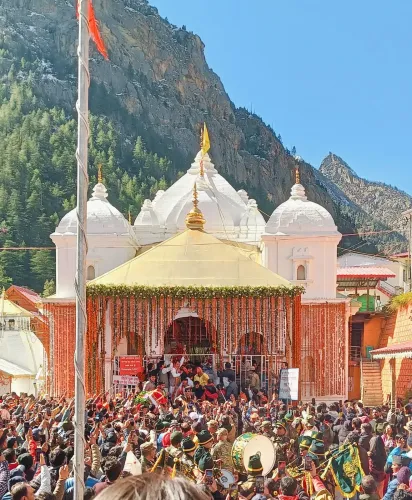
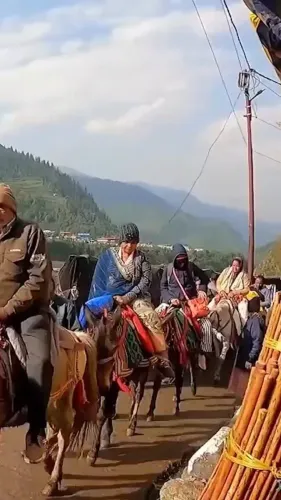
Yamunotri Dham, perched at an elevation of roughly 3,293 metres in the Uttarkashi district of Uttarakhand, sits at the glacial source of the Yamuna river — India's second-longest tributary of the Ganga. It is the westernmost and traditionally the first stop on the Char Dham Yatra, the sacred circuit that also includes Gangotri, Kedarnath, and Badrinath. The shrine draws hundreds of thousands of pilgrims each yatra season, making its seasonal management both a religious responsibility and a public safety imperative.
The closure of Yamunotri's kapaat (temple doors) each winter is a tradition rooted in both devotion and geography. At those altitudes, snowfall renders access treacherous from late October through April or May. State authorities coordinate the precise closure date — typically fixed on the auspicious occasion of Diwali or the days surrounding it — through the temple trust and local priests, following centuries-old convention.
Char Dham's seasonal rhythm and Uttarakhand's governance role
The annual winter closures of the four Char Dham shrines represent one of Uttarakhand's most defining governance responsibilities since the state's formation in 2000. The Dhami government, like its predecessors, coordinates the logistics of the yatra season — from road access and medical facilities to crowd management and disaster response — that underpin the safe movement of pilgrims across some of India's most demanding terrain.
With Yamunotri now closed, the Char Dham circuit formally enters its winter hiatus. The presiding deity is traditionally carried down to a lower-altitude village temple, where worship continues through the cold months until the kapaat reopen, usually in April or May, timed to the Hindu calendar and weather forecasts for the high passes.
When the gates of Yamunotri open again next spring, another yatra season will begin — and with it, the full machinery of Uttarakhand's pilgrimage infrastructure will stir back to life.
Point of View
And each seasonal milestone is an opportunity to signal both devotional sincerity and administrative competence. With the yatra season now closed, attention will shift to preparations for 2027, where infrastructure upgrades and pilgrim safety will again be measured against the government's promises.
NationPress
11 Nov 2026
Frequently Asked Questions
When did Yamunotri Dham close for winter in 2026?
Yamunotri Dham's kapaat closed for the winter season on 11 November 2026 , with Vedic chanting and traditional rituals.
Why does Yamunotri Dham close in winter?
Yamunotri sits at over 3,000 metres altitude in the Garhwal Himalayas. Heavy snowfall makes access dangerous from late autumn through spring, so the temple closes annually for the safety of pilgrims and priests, with worship continuing at a lower-altitude village temple.
When will Yamunotri Dham reopen in 2027?
The shrine typically reopens in April or May , with the exact date fixed according to the Hindu calendar and prevailing weather conditions on the mountain passes.
What is the Char Dham Yatra?
The Char Dham Yatra is a sacred Hindu pilgrimage circuit in Uttarakhand comprising four high-altitude shrines: Yamunotri, Gangotri, Kedarnath, and Badrinath . It draws hundreds of thousands of pilgrims each season, usually from April to November.
What did CM Dhami say about the Yamunotri closure?
CM Pushkar Singh Dhami said the temple gates closed with Vedic chanting and ritual, and prayed that Maa Yamuna's blessings bring peace, happiness, prosperity, and good health to all residents of Uttarakhand.