CM Chandrababu Reviews AP Irrigation, Eyes 36 Projects in 2.5 Years
Synopsis
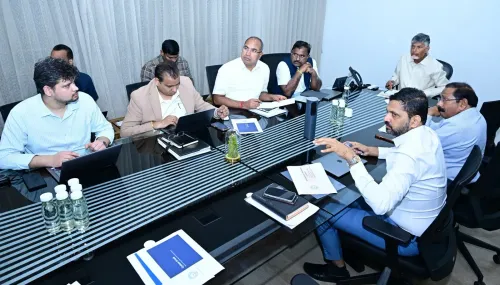
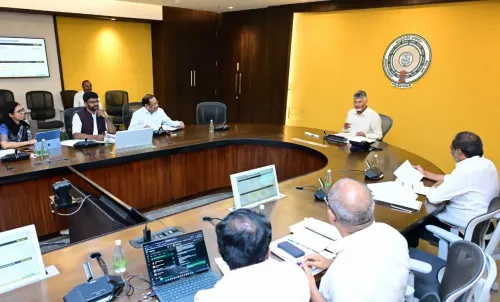
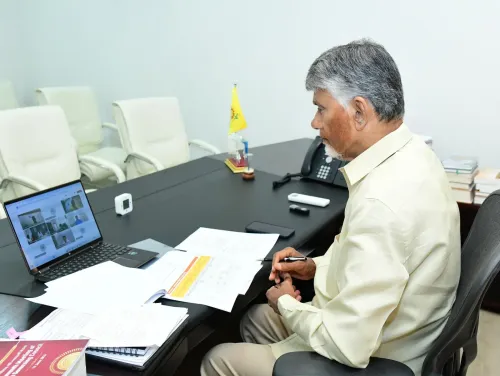
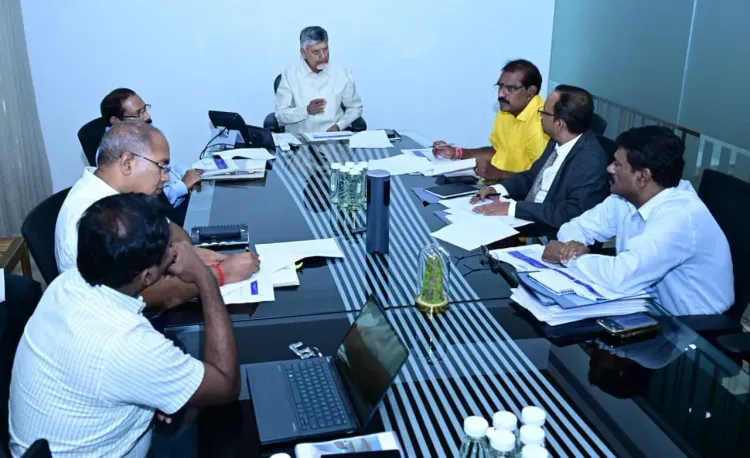
Chief Minister Chandrababu Naidu reviewed Andhra Pradesh's irrigation projects and lift schemes on 11 November 2026, ordering completion of 36 projects in 2.5 years, Jalaharati Corporation oversight, solar plants on irrigation land, and a study into forming a Water Regulatory Commission.
Key Takeaways
CM Chandrababu Naidu chaired a review of Andhra Pradesh's irrigation projects and lift schemes on 11 November 2026 .
The Jalaharati Corporation was directed to supervise all lift irrigation schemes in the state.
A study was ordered on establishing a Water Regulatory Commission modelled on the existing Electricity Regulatory Commission.
The government set a target to complete 36 identified projects within the next two-and-a-half years .
Discussions covered repair and maintenance of lift schemes and installation of solar power plants on irrigation lands to cut operational costs.
Water Resources Minister Nimmala Ramanaidu and senior department officials attended the meeting.
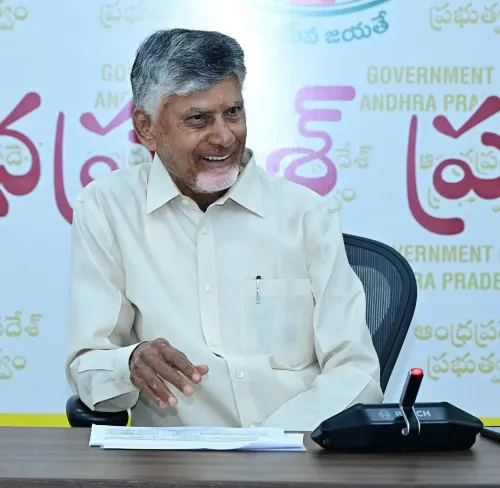
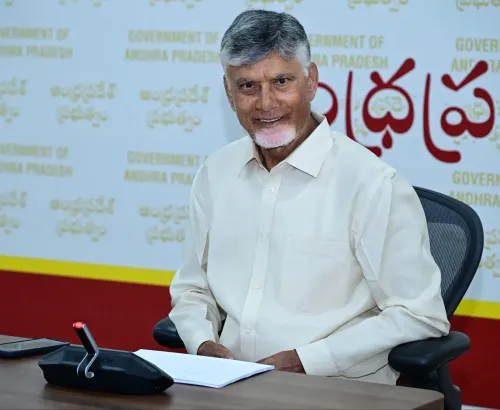
Thirty-six unfinished irrigation projects, a new regulatory body modelled on the power sector, and solar panels on farmland — Chief Minister Nara Chandrababu Naidu packed all of that into a single high-stakes review of Andhra Pradesh's water infrastructure on Wednesday, 11 November 2026. The Chief Minister's Office of Andhra Pradesh shared the outcomes of the meeting, signalling an aggressive push to close a long-standing gap between planned and completed irrigation capacity.
Jalaharati Corporation to Take the Wheel on Lift Schemes
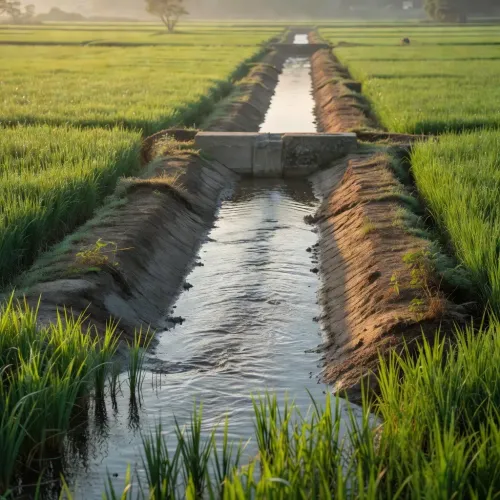
At the centre of Wednesday's directives was the Jalaharati Corporation, which Naidu ordered to take charge of supervising the state's lift irrigation schemes. The meeting examined the repair and maintenance backlog across these schemes — infrastructure that pumps water uphill to fields that gravity-fed canals cannot reach, and whose breakdown directly translates to crop loss for farmers who depend on it.
The review also discussed placing solar power plants on irrigation lands — a dual-purpose move that could cut the heavy electricity bills lift schemes run up while generating revenue from otherwise idle land along canal banks.
A Water Regulatory Commission on the Drawing Board
Perhaps the most structurally significant directive was Naidu's instruction to study the feasibility of a Water Regulatory Commission — modelled on the existing Electricity Regulatory Commission. If established, such a body would introduce independent oversight of water allocation and pricing, bringing to irrigation governance the same arm's-length accountability the state already applies to its power sector. The idea remains at the study stage, but the signal from the CM's office is clear: Jalani niyantrana (water regulation) is now on the policy agenda.
36 Projects, Two and a Half Years, No Slack
The meeting set a firm internal deadline: 36 government-identified irrigation projects must be completed within the next two-and-a-half years. Andhra Pradesh has accumulated a substantial pipeline of pending water infrastructure since bifurcation in 2014, and successive governments — including Naidu's own first tenure from 2014 to 2019 — have grappled with financing and inter-agency coordination delays. The two-and-a-half-year window aligns with the remaining arc of the current government's term, giving the directive unmistakable political as well as administrative urgency.
Minister Nimmala Ramanaidu, who heads the Water Resources department, and senior officials from the department attended the review. Their presence alongside the CM underscores that this was a decision-making session, not a routine briefing.
Why the Deadline Matters for Andhra Farmers
Andhra Pradesh's agriculture belt — particularly in the Krishna and Godavari delta regions and the drier Rayalaseema districts — has long waited for lift and storage projects to deliver predictable water supply. When lift schemes break down and sit unrepaired, farmers either fall back on groundwater (driving up costs and depleting aquifers) or simply lose a season. Completing the 36 projects on schedule would expand irrigated area, reduce dependence on erratic monsoons, and directly shore up farm incomes in a state where agriculture remains the backbone of livelihoods.
Wednesday's review is a clear statement of intent. Whether Jalaharati Corporation has the institutional bandwidth to execute it — and whether the Water Regulatory Commission study translates into legislation — will be the real tests in the months ahead.
Point of View
A regulatory study, solar integration, and a hard two-and-a-half-year deadline — fits a broader pattern of using institutional architecture to drive infrastructure delivery rather than relying on ad hoc department coordination. The proposed Water Regulatory Commission is the most consequential idea on the table: if it moves from study to statute, it would mark a significant shift in how the state governs water, potentially affecting inter-district allocations and farmer pricing. The tight deadline also signals that the CM is treating irrigation completion as a political deliverable ahead of the next electoral cycle. The gap between the directive and actual execution will hinge on Jalaharati Corporation's capacity and the speed of budget releases.
NationPress
11 Nov 2026
Frequently Asked Questions
What decisions were taken at CM Chandrababu Naidu's irrigation review on 11 November 2026?
CM Naidu directed the Jalaharati Corporation to supervise lift irrigation schemes, ordered a study on forming a Water Regulatory Commission, set a target to complete 36 projects in 2.5 years, and discussed solar power plants on irrigation lands.
What is the Jalaharati Corporation in Andhra Pradesh?
Jalaharati Corporation is a state body that CM Naidu has directed to take charge of supervising Andhra Pradesh's lift irrigation schemes, ensuring their repair, maintenance, and operational oversight.
What is the proposed Water Regulatory Commission for Andhra Pradesh?
It is a proposed independent body, modelled on the existing Electricity Regulatory Commission, that would oversee water allocation and regulation in Andhra Pradesh. CM Naidu has asked officials to study its feasibility.
How many irrigation projects is Andhra Pradesh targeting for completion?
The Andhra Pradesh government has identified 36 irrigation projects that CM Chandrababu Naidu has directed must be completed within the next two-and-a-half years.
Why is solar power being considered on irrigation lands in Andhra Pradesh?
Lift irrigation schemes consume large amounts of electricity to pump water uphill. Installing solar plants on irrigation lands can reduce operational electricity costs and generate additional revenue from underutilised land.