Political Controversy Ignites Over Nripendra Misra's Comments on Ayodhya Decisions
Synopsis
A political firestorm has erupted after Nripendra Misra's remarks regarding the 1992 Babri Masjid demolition, emphasizing political over bureaucratic influences in decision-making during that tumultuous time. The debate touches on accountability and the critical nature of leadership in times of crisis.
Key Takeaways
Political Influence: Misra highlights the dominance of political leadership in decision-making during crises.
Accountability: The debate underscores the need for accountability among both political leaders and bureaucratic officials.
Contrasting Views: Different political factions offer conflicting interpretations of the events surrounding the Babri Masjid demolition.
Historical Significance: The Ayodhya incident remains a pivotal moment in India’s political history.
Future Discussions: This controversy is likely to continue influencing political discourse regarding governance and crisis management.
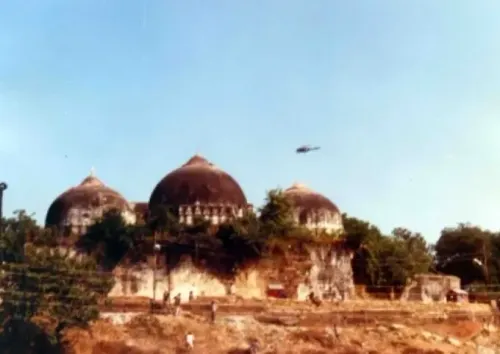
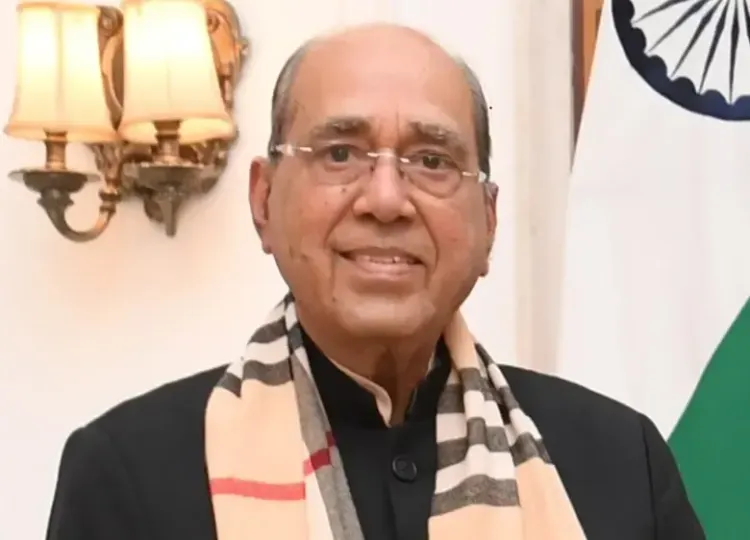
Lucknow, April 11 (NationPress) A political uproar has emerged following statements made by Nripendra Misra, the Chairman of the Ram Mandir Construction Committee. He asserted that the decisions made during pivotal moments, such as the 1992 Babri Masjid demolition, were predominantly influenced by political figures rather than bureaucratic personnel.
Reflecting on the events of that era, Misra noted that in 1992, despite warnings of a breakdown in law and order in Ayodhya, the then Chief Minister Kalyan Singh had issued explicit directives to the police, prohibiting them from opening fire on the 'Karsevaks'.
He highlighted his experiences working under various political leaders, including the late Mulayam Singh Yadav, contrasting their crisis management strategies.
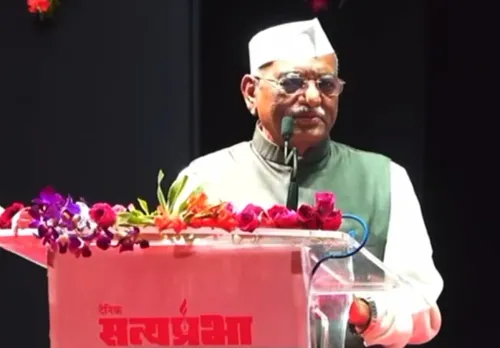
In response to Misra's comments, Uttar Pradesh Minister Jaiveer Singh remarked to IANS, "Everyone understands that irrespective of who the principal secretary is, the decisions made by the Chief Minister are paramount. Whatever Mulayam Singh Yadav decided had to be adhered to by Misra and other officials, even if there were disagreements."
BJP spokesperson Pratul Shah Deo condemned the actions of the Mulayam Singh Yadav government, stating, "No justification exists for the treatment of Kar Sevaks under Mulayam Singh Yadav's administration. It was a brutal assault on the Sanatanis."
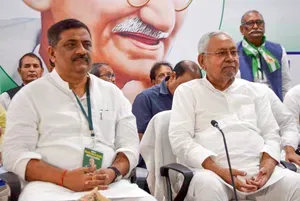
Conversely, Samajwadi Party spokesperson Rajkumar Bhati provided a starkly different viewpoint, contending that Misra previously indicated that the decision to open fire was an administrative choice.
"Nripendra Misra had stated he authorized the firing. This was not a political determination. He is now revising his statements. Politicians merely provided guidelines to protect infrastructure. The call on how to enforce it lies with the officials. The firing orders came from Misra, and it could have been managed without such measures, but perhaps he wasn't adequately prepared and opted for the shoot order," Bhati expressed to IANS.
He further elaborated, "While I concede that 90% of decisions originate from the government, it solely determines that law and order is upheld and infrastructure remains intact; it does not dictate whether officials wield lathis or firearms."
Earlier, Misra stated to reporters, "Decisions of this magnitude are not made at the Principal Secretary's level. Approximately 90% are political, with the remaining 10% involving input from the Home Secretary, Chief Secretary, and Director General of Police."
"During my time as Principal Secretary under both Mulayam Singh Yadav and Kalyan Singh, it was evident that when Kalyan Singh was informed about the law and order breakdown in Ayodhya, he issued a written order prohibiting any firing in the holy city," he added.
This discussion arises in light of the earlier Ayodhya shooting incidents when police fired upon karsevaks on October 30 and November 2, 1990, during Mulayam Singh Yadav's term as Chief Minister of Uttar Pradesh.
This exchange has ignited renewed discussions regarding accountability and decision-making during one of the most controversial chapters in the political history of the country.
Point of View
They also underscore the intricate relationship between political leaders and bureaucratic officials, especially in times of crisis. The discourse surrounding the Ayodhya incidents remains a significant part of the national conversation on governance and responsibility.
NationPress
15 Oct 2026
Frequently Asked Questions
What did Nripendra Misra say about the Ayodhya decisions?
Nripendra Misra stated that decisions during the 1992 Babri Masjid demolition were primarily influenced by political leadership rather than bureaucratic officials.
How did the current government respond to Misra's remarks?
Uttar Pradesh Minister Jaiveer Singh emphasized that the Chief Minister's decisions are always followed, regardless of the principal secretary's stance.
What is the significance of the 1992 Ayodhya incident?
The 1992 demolition of the Babri Masjid marked a crucial and contentious moment in India's political landscape, shaping communal relations and political discourse.
What was the response from the Samajwadi Party?
Rajkumar Bhati from the Samajwadi Party claimed that Misra had previously indicated the decision to open fire was made at the administrative level, contradicting his recent statements.
What are the implications of this controversy?
The controversy raises critical questions about accountability in governance and the influence of political decisions in managing law and order during crises.