Karnataka CM Office Hails Power Aid to Cyclone-Hit Andhra Pradesh
Synopsis
Karnataka's Chief Minister's Office announced the state deployed power restoration support to cyclone-hit Andhra Pradesh following Cyclones Arnab and Murasu, earning public acknowledgement from CM N. Chandrababu Naidu in a show of southern inter-state solidarity.
Key Takeaways
Karnataka extended power restoration assistance to Andhra Pradesh after Cyclones Arnab and Murasu disrupted electricity supply to communities.
The Chief Minister's Office of Karnataka confirmed the aid in a post on 18 November 2026 .
Andhra Pradesh CM N.
Chandrababu Naidu publicly expressed appreciation, which Karnataka's CMO described as 'deeply valued.' The assistance followed an established pattern of informal inter-state disaster support in India — no formal treaty required, only administrative coordination.
Karnataka and Andhra Pradesh share river-water, power-grid, and border ties that make bilateral cooperation strategically important beyond any single event.
India's growing cyclone frequency in the Bay of Bengal region is placing greater demand on this informal mutual-aid architecture between southern states.
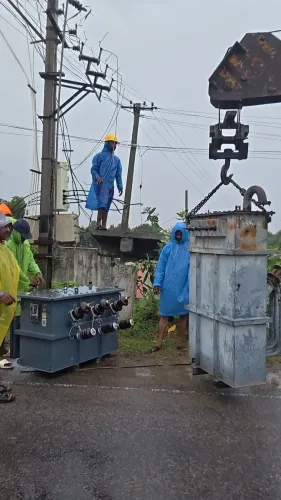
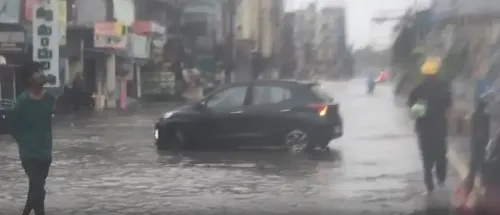
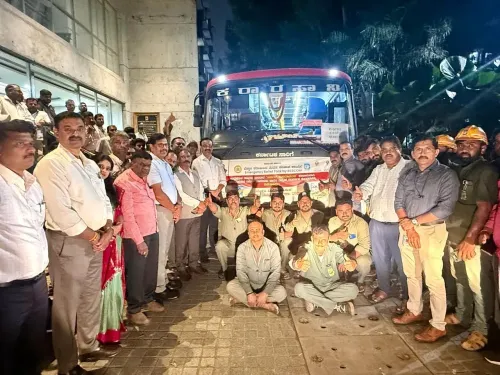
When two back-to-back cyclones knocked out power across communities in Andhra Pradesh, it was a neighbour's hand — not a formal treaty — that helped turn the lights back on. The Chief Minister's Office of Karnataka confirmed on Wednesday, 18 November 2026, that the state had extended timely assistance to Andhra Pradesh in restoring electricity and returning normalcy to areas battered by Cyclones Arnab and Murasu.
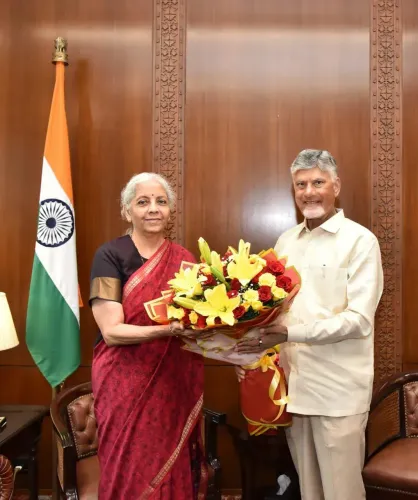
The post, shared by Karnataka's official CMO handle, also acknowledged the gratitude expressed by Andhra Pradesh Chief Minister Shri N. Chandrababu Naidu, calling his gesture of appreciation 'deeply valued.' 'Such gestures of solidarity strengthen the bonds between our States,' the statement read. 'Karnataka will always be there for its neighbours.'
Power crews across the border — how Karnataka stepped in
India's federal structure has no standing protocol that compels one state to send technicians or equipment to another during a disaster — yet it happens repeatedly, and fast. Karnataka's deployment of power restoration support to cyclone-affected Andhra Pradesh districts follows the same informal but well-worn administrative channel that southern states have leaned on for decades. When Cyclone Hudhud devastated Andhra Pradesh in 2014, Karnataka was among the states that mobilised crews and resources under similar inter-state coordination arrangements — no MoU required, just a phone call and political will.
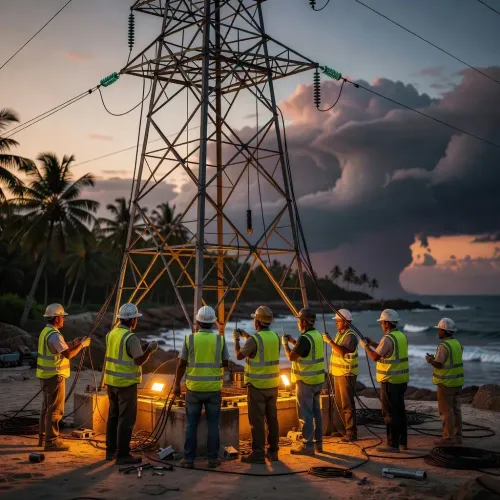
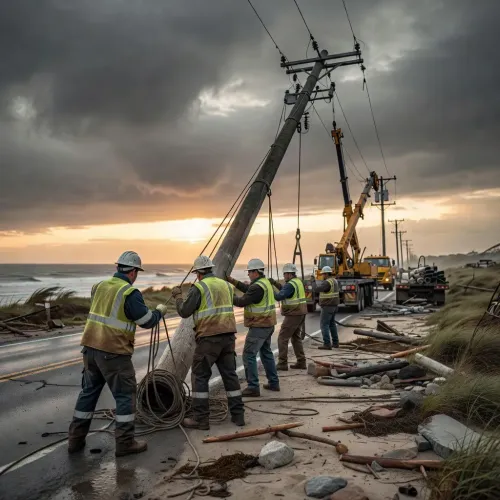
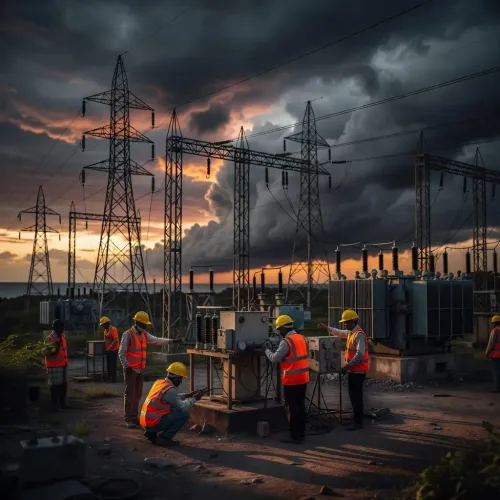
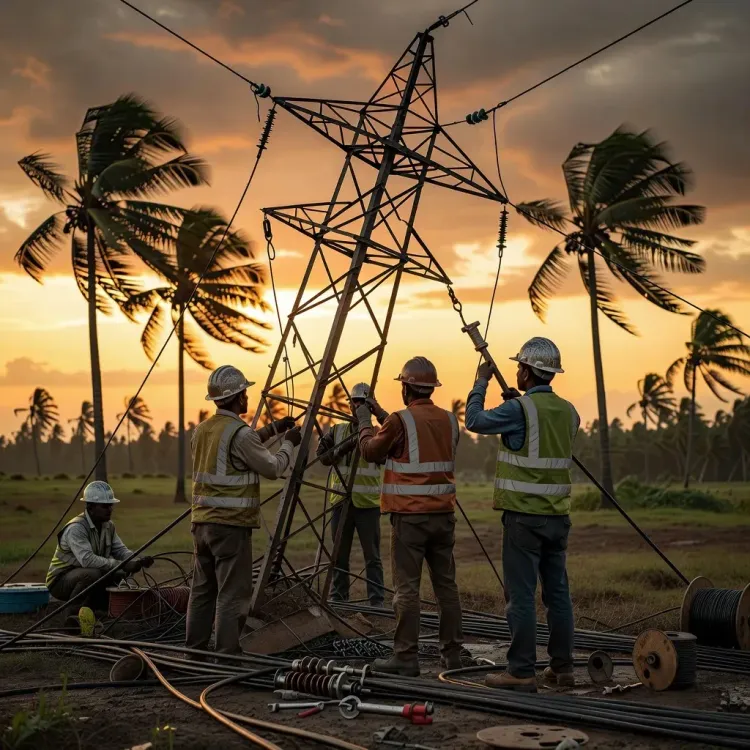
The nature of power-grid damage during cyclones — snapped transmission towers, downed distribution lines, flooded substations — demands skilled labour at scale, faster than a single state's utility can redeploy. Neighbouring states with surplus crews and compatible grid infrastructure become the first call. Karnataka's electricity utilities, among the more operationally robust in southern India, have both the workforce and the grid-proximity to Andhra Pradesh's northern and coastal districts to make rapid deployment viable.
Chandrababu Naidu's acknowledgement and what it signals
N. Chandrababu Naidu, the Telugu Desam Party veteran who returned to power in Andhra Pradesh, is known for his emphasis on infrastructure and technology-led governance. His public acknowledgement of Karnataka's assistance — tagged directly on the post — is as much a diplomatic signal as it is a courtesy. Inter-state goodwill between Karnataka and Andhra Pradesh has practical stakes: the two states share river waters, power-grid interconnects, and long stretches of border where administrative cooperation directly affects millions of people.
The CMO's framing — 'standing by one another comes naturally' — projects the kind of cooperative federalism that the Centre routinely advocates but that plays out, in practice, through exactly these bilateral gestures at the state level.
Southern solidarity in the age of climate stress
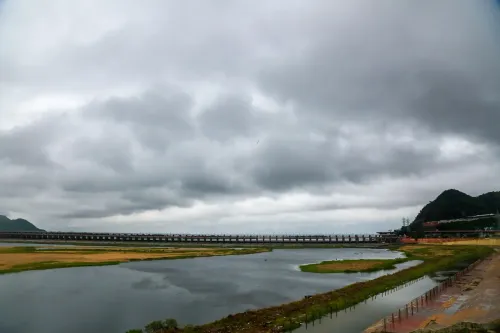
India's southern peninsula has seen an uptick in cyclonic activity in the Bay of Bengal in recent years, with more frequent and intense storms threatening coastal Andhra Pradesh, Tamil Nadu, and Odisha. As climate stress intensifies, the informal mutual-aid architecture between neighbouring states will be tested more often. Karnataka's swift response to twin cyclones in the same season signals that the state is prepared to play an active regional role — and that it expects the same in return.
The restoration of power is never just about electricity. It is about hospitals staying functional, water pumps running, cold-chain supply for food and medicine holding. Every hour Karnataka's crews shaved off the outage clock translated into direct relief for families still clearing debris. That is the real currency of this solidarity.
Point of View
Bypassing New Delhi's intermediation, reflects a broader pattern of states building direct administrative relationships that complement — and sometimes substitute for — Union-level disaster coordination. For Chief Minister Naidu, whose government depends on stable infrastructure for its economic-corridor ambitions, the rapid power restoration support from Karnataka is not just humanitarian relief but a proof-of-concept for the kind of neighbourhood diplomacy that serves long-term development goals. As Bay of Bengal cyclone seasons intensify, this episode may serve as a template for formalising what is currently an ad-hoc mutual-aid framework into something more durable.
NationPress
18 Nov 2026
Frequently Asked Questions
What assistance did Karnataka provide to Andhra Pradesh after the cyclones?
Karnataka extended power restoration support — crews and equipment — to communities in Andhra Pradesh that lost electricity due to Cyclones Arnab and Murasu, helping restore normalcy faster than the state could manage alone.
Which cyclones hit Andhra Pradesh in November 2026?
According to Karnataka's CMO post dated 18 November 2026, Andhra Pradesh was affected by two cyclones named Arnab and Murasu, which disrupted power supply to several communities.
What did Chandrababu Naidu say about Karnataka's help?
Andhra Pradesh Chief Minister N. Chandrababu Naidu expressed appreciation to Karnataka for the timely assistance, which the Karnataka CMO acknowledged publicly, calling the gesture 'deeply valued.'
Is there a formal agreement between Karnataka and Andhra Pradesh for disaster aid?
No formal treaty governs such assistance. Indian states routinely deploy power crews and resources to neighbours during disasters through informal administrative channels, as Karnataka did here and as multiple states did during Cyclone Hudhud in 2014.
Why does Karnataka provide power restoration help to neighbouring states?
Karnataka's electricity utilities have both the workforce and the geographic proximity to Andhra Pradesh's grid to enable rapid deployment. Faster restoration directly benefits hospitals, water supply, and food cold-chains in cyclone-affected areas.