CM Mohan Yadav launches 1,920 MW pumped hydro plant in MP
Synopsis
Chief Minister Dr. Mohan Yadav launched a unit of Greenko Group's 1,920 MW Pumped Hydro Storage Power Plant at village Basi, Neemuch, after a cabinet meeting at Gandhi Sagar on November 18 — a landmark step in Madhya Pradesh's grid-storage ambitions.
Key Takeaways
Mohan Yadav formally commissioned a unit of the Greenko Pumped Hydro Storage Power Plant at village Basi, Neemuch district on November 18, 2026 .
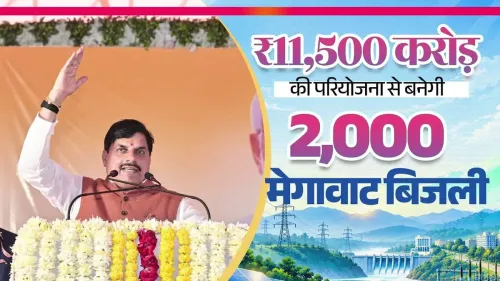
The project has a total installed capacity of 1,920 megawatts , making it one of the largest pumped hydro storage initiatives in central India.
The launch followed a state cabinet meeting held at Gandhi Sagar , with ministers attending the site visit and inauguration.
Greenko Group , a leading Indian renewable energy firm, is developing the project through a public-private partnership model.
The plant is designed to store surplus renewable energy and dispatch it during peak demand, supporting Madhya Pradesh's grid stability.
Commissioning of remaining units and state policy on storage tariffs will be key indicators of the project's full impact.
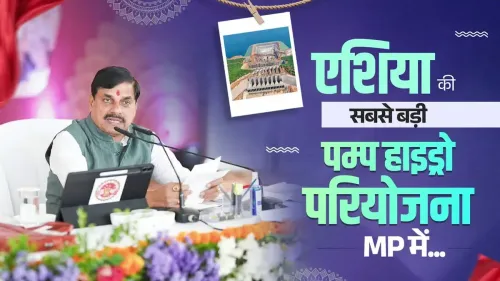
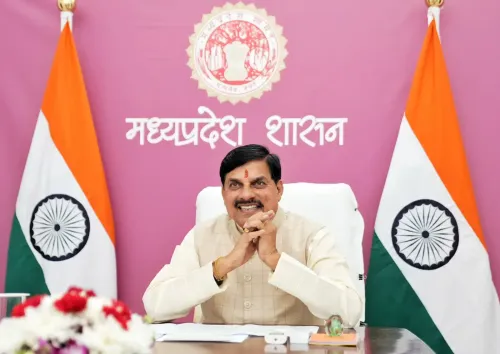
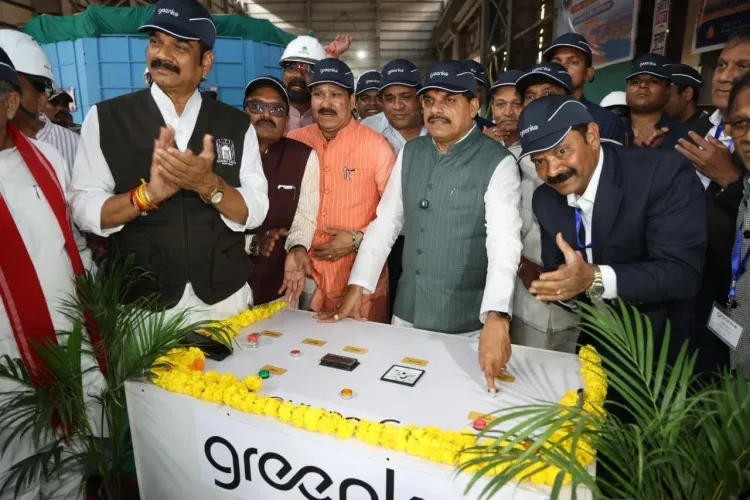
A button press at a dam site in Neemuch district on Wednesday, November 18 set off something far larger than a single power unit — it marked Madhya Pradesh's most ambitious grid-storage milestone yet. Chief Minister Dr. Mohan Yadav, accompanied by members of the state cabinet, inaugurated a unit of the Greenko Group's Pumped Hydro Storage Power Plant at village Basi, Neemuch, following a cabinet meeting held at the historic Gandhi Sagar reservoir.
The Chief Minister's Office of Madhya Pradesh announced the event, noting that Dr. Yadav formally commissioned the unit by pressing a ceremonial button. The post described the project as one that will play a 'significant role' (mahtvapurna bhumika nibhaegi) in energy storage and power generation across the state. At 1,920 megawatts, it is among the largest pumped hydro storage projects announced in central India.
What Gandhi Sagar adds to this story
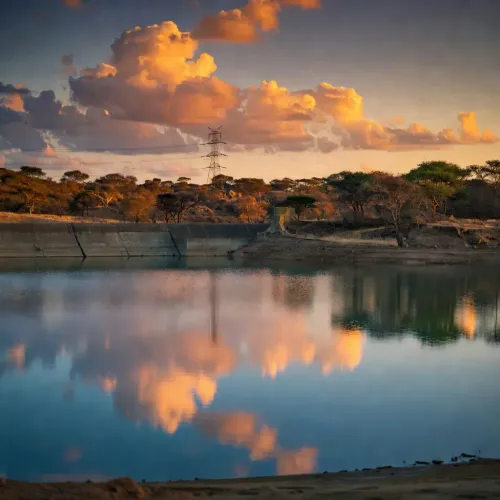
Gandhi Sagar Dam, commissioned in 1960, has long been a cornerstone of Madhya Pradesh's hydroelectric infrastructure. Situating a next-generation storage project in its shadow is not incidental — the region's topography, water availability, and existing grid infrastructure make it a natural candidate for pumped hydro. The Basi village site in Neemuch, western Madhya Pradesh, sits within this established energy corridor.
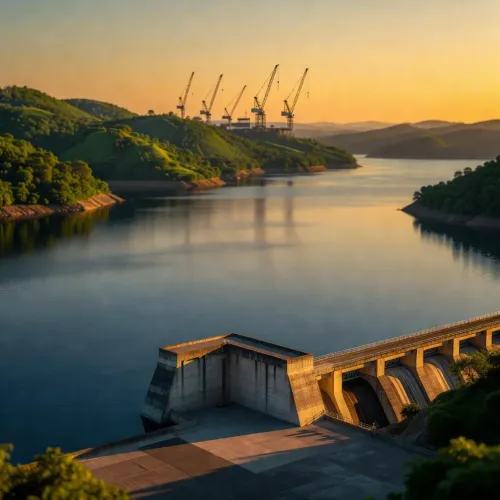
Pumped hydro storage works by using surplus electricity — especially from solar or wind farms — to push water uphill into a reservoir, then releasing it through turbines when demand spikes. At 1,920 MW, the Greenko project is designed precisely to solve that problem at scale: storing the afternoon solar glut and dispatching power during evening peak hours.
Greenko's bet on central India's grid
Greenko Group, one of India's leading renewable energy developers, has built its identity around integrated storage solutions — pairing pumped hydro with solar and wind assets. Its presence in Madhya Pradesh reflects a broader national push: Indian states are racing to add non-fossil dispatchable capacity as solar and wind penetration grows and grid managers struggle with the morning-evening demand curve.
The public-private partnership model underpinning this project — state facilitation, private capital and execution — has become the dominant route for large storage projects in central India. Dr. Yadav's cabinet attending the launch in person signals the political weight the state government is placing on the project.
Units still to come, tariffs to watch
Wednesday's inauguration covered one unit of a multi-unit plant. The commissioning timelines for the remaining units, and how the state frames storage tariffs and power evacuation agreements, will determine how quickly this capacity flows to consumers. For Madhya Pradesh's power consumers, the full 1,920 MW — once completely online — could meaningfully reduce load-shedding risk during peak demand seasons.
India's clean-energy transition has always had a storage problem. At Gandhi Sagar, it may just be starting to find an answer.
Point of View
Costlier challenge of grid-scale storage — the genuine bottleneck in India's energy transition. For CM Mohan Yadav, anchoring a 1,920 MW flagship at Gandhi Sagar — a site freighted with post-independence infrastructure symbolism — is a deliberate political statement about continuity and ambition. The public-private partnership route with Greenko also illustrates a broader Central India pattern: state governments providing land and regulatory clearance while private developers fund and execute, distributing both risk and credit. The real test arrives with the remaining units: fast commissioning and transparent storage tariffs will determine whether this becomes a replicable template or a one-unit headline.
NationPress
18 Nov 2026
Frequently Asked Questions
What is the Greenko Pumped Hydro Storage project in Madhya Pradesh?
It is a 1,920 MW pumped hydro storage power plant being developed by Greenko Group at village Basi in Neemuch district , Madhya Pradesh, designed to store surplus renewable energy and supply power during peak demand hours.
What did CM Mohan Yadav inaugurate at Gandhi Sagar on November 18 2026?
Chief Minister Dr. Mohan Yadav inaugurated a unit of the Greenko Pumped Hydro Storage Power Plant at village Basi, Neemuch, by pressing a ceremonial button after a cabinet meeting at Gandhi Sagar .
How does pumped hydro storage work?
Pumped hydro storage uses surplus electricity — often from solar or wind sources — to pump water to an elevated reservoir, then releases it through turbines to generate power when electricity demand is high.
Who is developing the pumped hydro project in Neemuch Madhya Pradesh?
Greenko Group , a major Indian renewable energy company specialising in integrated storage solutions, is developing the project in partnership with the Madhya Pradesh government.
What is Gandhi Sagar dam known for?
Gandhi Sagar Dam , commissioned in 1960 , is one of Madhya Pradesh's most significant hydroelectric and water infrastructure assets, located in the Mandsaur–Neemuch region of the state.