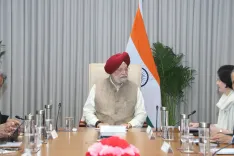
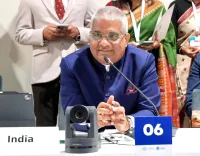
Jaishankar addresses inaugural Raisina Tokyo 2026

Synopsis
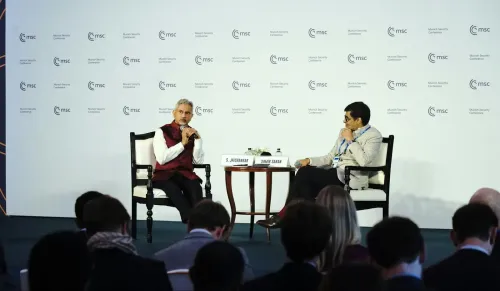
External Affairs Minister Dr. S. Jaishankar inaugurated Raisina Tokyo 2026 on November 18 — the first overseas edition of India's flagship geopolitics forum, underscoring deepening India-Japan Indo-Pacific ties under the Quad framework.
Key Takeaways
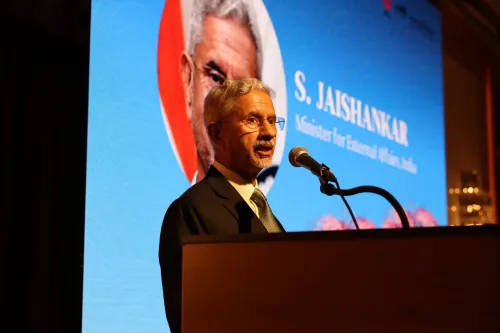
Jaishankar delivered the inaugural address at Raisina Tokyo 2026 on November 18, 2026 .
Raisina Tokyo 2026 is the first edition of the flagship dialogue to be held outside New Delhi .
The Raisina Dialogue was launched in March 2016 by the Observer Research Foundation in partnership with India's Ministry of External Affairs.
Japan is a key Indo-Pacific partner of India within the Quad framework alongside the US and Australia.
Hosting the forum in Tokyo reflects India's deliberate strategy to project its foreign-policy priorities directly in partner capitals.
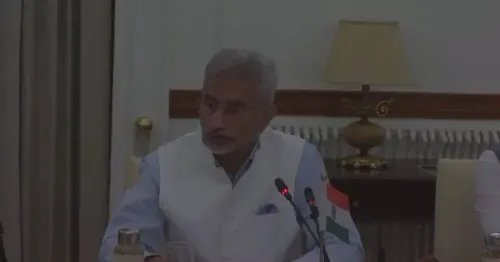
India took its premier geopolitics forum to the heart of the Indo-Pacific on Wednesday, November 18, 2026, as Union External Affairs Minister Dr. S. Jaishankar delivered the inaugural address at Raisina Tokyo 2026 — the first overseas edition of the flagship conference to be held in Japan.
From New Delhi to Tokyo: a conference goes abroad
The Raisina Dialogue, launched in New Delhi in March 2016 by the Observer Research Foundation (ORF) in partnership with India's Ministry of External Affairs, has long been India's most visible Track 1.5 platform — a forum where diplomats, strategists and policymakers engage without the full formality of government-to-government summits. Hosting an edition in Tokyo marks a deliberate geographic leap. It signals that India no longer wants Raisina to be merely a conference the world attends in Delhi; it wants to carry the conversation to its partners' own capitals.
Japan is a natural first stop. The two countries are anchored together in the Quad framework alongside the United States and Australia, and have deepened ties across defence technology, semiconductor supply chains and infrastructure finance across the Indo-Pacific.
Why Tokyo, why now
India's foreign-policy establishment has consistently used the Raisina platform to project its strategic priorities — from multipolarity and reformed multilateralism to connectivity and climate finance. Taking that message to Tokyo gives it immediate regional resonance at a moment when Indo-Pacific architecture is being actively contested and re-shaped. For Japan, hosting a high-profile Indian policy forum reinforces its own interest in a rules-based regional order and deepens the people-to-people and expert-community links that sustain a bilateral relationship beyond government cycles.
Dr. Jaishankar, who served as India's Ambassador to the United States, China and Singapore before becoming Foreign Secretary and subsequently a Cabinet minister, brings unusual operational depth to such settings — his speeches routinely function as authoritative articulations of Indian foreign policy rather than ceremonial remarks.
What follows the Tokyo moment
Observers will watch closely for any bilateral engagements or joint statements that emerge from the sidelines of the Tokyo event — the dense margins of such conferences often produce more than the plenary sessions do. The regular Raisina Dialogue 2027 in New Delhi will be the next staging post for the ideas seeded in Tokyo.
India is building a foreign-policy conversation that travels. Tokyo is the opening move.
Point of View
Not just a hospitality offer to foreign visitors in Delhi. Choosing Japan as the inaugural overseas venue is deliberate — it reinforces the Quad's normative infrastructure at a time when the Indo-Pacific order faces serious stress-testing. Dr. Jaishankar's personal presence at the inauguration, rather than a delegation-level representation, underlines how seriously New Delhi grades this bilateral relationship. If the Tokyo edition generates its own policy rhythm and attracts regional participation beyond Japan, it could evolve into a standing annual track that meaningfully shapes Indo-Pacific discourse.
NationPress
18 Nov 2026
Frequently Asked Questions
What is Raisina Tokyo 2026?
Raisina Tokyo 2026 is the inaugural overseas edition of India's flagship geopolitics and foreign-policy conference, the Raisina Dialogue, held in Tokyo, Japan. It is organised by the Observer Research Foundation in partnership with India's Ministry of External Affairs.
What did Jaishankar say at Raisina Tokyo 2026?
Dr. S. Jaishankar delivered the inaugural address at Raisina Tokyo 2026 on November 18, 2026. The specific content of his remarks was shared via a live broadcast linked on his official X account.
Where is the Raisina Dialogue normally held?
The Raisina Dialogue is normally held in New Delhi. It was first convened in March 2016 and is organised by the Observer Research Foundation in partnership with the Ministry of External Affairs.
Why is India holding the Raisina Dialogue in Japan?
Japan is one of India's closest Indo-Pacific partners and a fellow member of the Quad. Hosting the dialogue in Tokyo reflects India's strategy of deepening expert-community and policy ties with key partners in the region.
What is the Quad and how does India-Japan fit into it?
The Quad is a strategic grouping of India, Japan, the United States and Australia focused on a free and open Indo-Pacific. India and Japan have deepened bilateral cooperation on defence technology, semiconductor supply chains and infrastructure finance within this framework.