CM Mohan Yadav Honours Rezang La Martyrs on Shaurya Diwas
Synopsis
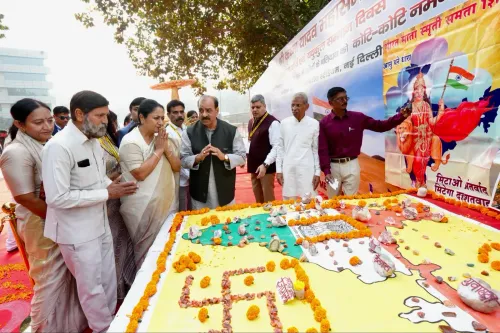
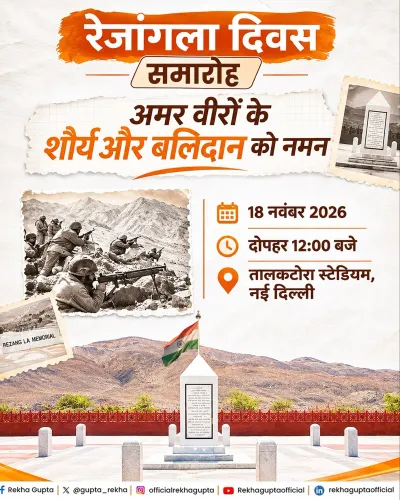
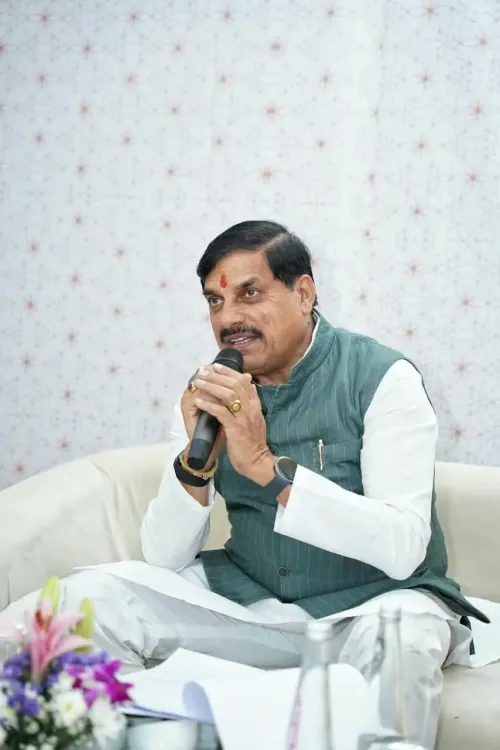
On Rezang La Shaurya Diwas, 18 November 2026, Madhya Pradesh Chief Minister Dr. Mohan Yadav addressed a national tribute gathering at Talakatora Stadium, New Delhi via video conference, honouring soldiers of the 13 Kumaon Regiment who made the supreme sacrifice at Rezang La during the 1962 India-China War.
Key Takeaways
Rezang La Shaurya Diwas is observed annually on 18 November , marking the date of the 1962 battle at the Ladakh high-altitude pass.
A company of the 13 Kumaon Regiment held its position against overwhelming Chinese forces on 18 November 1962 , suffering near-total losses.
Mohan Yadav addressed the tribute gathering at Talakatora Stadium, New Delhi via video conferencing on behalf of Madhya Pradesh.
The event was organised nationally, with families of 1962 war martyrs among those in attendance.
The commemoration carries added resonance given India's continuing border management arrangements with China along the Line of Actual Control .
Sixty-four years after a company of Indian soldiers fought to the last man on a frozen Ladakh pass, Chief Minister Dr. Mohan Yadav paused on 18 November 2026 to bow before their memory — addressing a national tribute gathering at Talakatora Stadium, New Delhi, via video conference on Rezang La Shaurya Diwas.
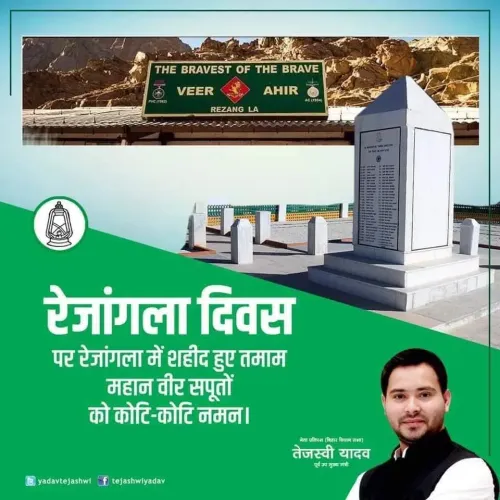
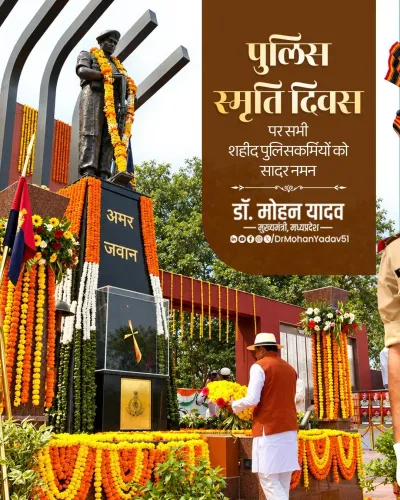
The Chief Minister's Office of Madhya Pradesh posted its tribute in Hindi: 'रेजांगला शौर्य दिवस के अवसर पर... वीर सैनिकों को नमन' — paying respects to the soldiers who, in the words of the post, 'displayed indomitable courage and bravery on the soil of Rezang La and made the supreme sacrifice for the defence of the nation' during the 1962 India-China War.
The Battle That Made Rezang La Sacred Ground
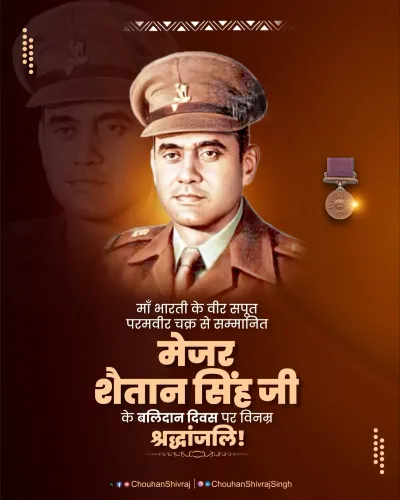
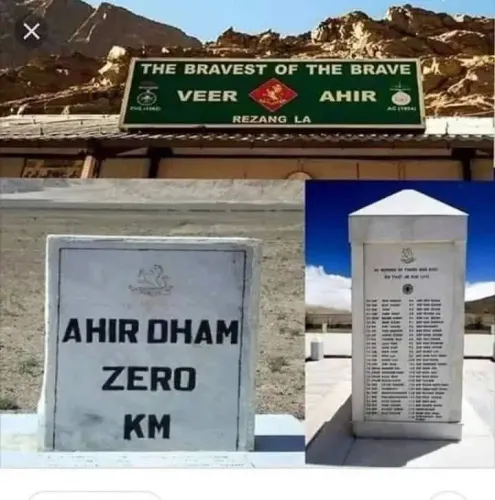
On 18 November 1962, a single company of the 13 Kumaon Regiment held its position at the high-altitude pass in Ladakh against a vastly superior Chinese force. Outnumbered and outgunned at extreme altitude, the men did not retreat. The date became a fixture on India's calendar of military remembrance almost immediately after the war ended, observed annually ever since as Rezang La Shaurya Diwas.
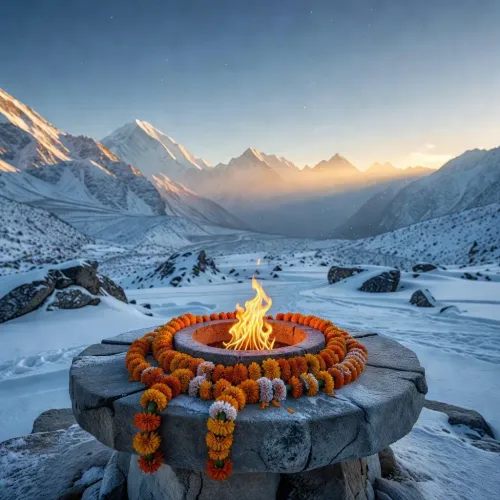
The pass sits in what is now the Union Territory of Ladakh, a region that has returned to sharp strategic focus as India and China continue to manage their border arrangements along the Line of Actual Control. That proximity of history to present-day geopolitics gives these annual observances a weight that stretches well beyond ceremony.
Talakatora Stadium and a Nation's Salute
Talakatora Stadium in New Delhi has become a regular venue for national-level memorial gatherings honouring defence personnel, its scale suited to events that draw veterans, families of martyrs, and official dignitaries together. Dr. Yadav joined the assembly from Madhya Pradesh over video link — a format that has become standard for state chief ministers participating in centrally organised defence commemorations, ensuring political leaders across the country are visibly part of the national salute.
Families of the soldiers who fell at Rezang La remain the quiet centre of these observances — decades on, still the living thread between a nation's gratitude and the men who earned it.
India's commemoration culture around the 1962 war has only deepened as the country's posture on the northern frontier hardens. Every Shaurya Diwas is, in part, a statement of continuity — from the soldiers who held Rezang La to the formations that patrol those same ridgelines today.
Point of View
Reinforcing a cross-party consensus that the sacrifices of 1962 demand permanent official acknowledgment. With the Line of Actual Control still a live diplomatic and military variable, the symbolism of these events is never entirely retrospective. The 1962 battle sites have quietly become anchors of contemporary Indian identity on the northern frontier.
NationPress
18 Nov 2026
Frequently Asked Questions
What is Rezang La Shaurya Diwas?
Rezang La Shaurya Diwas is observed on 18 November every year to commemorate the soldiers of the 13 Kumaon Regiment who fought and fell at the high-altitude Rezang La pass in Ladakh during the 1962 India-China War .
What happened at the Battle of Rezang La in 1962?
On 18 November 1962 , a single company of the 13 Kumaon Regiment defended Rezang La against a much larger Chinese force at extreme altitude in Ladakh, fighting to near-total losses rather than retreating.
What did CM Mohan Yadav do on Rezang La Shaurya Diwas 2026?
Chief Minister Dr. Mohan Yadav addressed the national tribute gathering held at Talakatora Stadium, New Delhi via video conferencing on 18 November 2026 , paying homage to the martyrs of Rezang La.
Where is Rezang La located?
Rezang La is a high-altitude mountain pass in Ladakh , the Union Territory on India's northern frontier that borders China.
Why is the Rezang La battle significant today?
The battle remains significant because Rezang La lies in Ladakh , a region where India and China continue to manage their border along the Line of Actual Control , giving the annual commemoration both historical and contemporary strategic resonance.