Odisha CMO Deploys 1,012 Teams Ahead of Cyclone Akwan
Synopsis
Ahead of Cyclone Akwan, Odisha has pre-positioned 1,012 water-restoration teams, 813 tankers, 13 mobile purification units, and 7.57 lakh water bottles across all 30 districts to protect rural drinking-water supply and ensure rapid post-storm restoration.
Key Takeaways
1,012 drinking-water restoration teams identified and pre-positioned across all 30 districts of Odisha ahead of Cyclone Akwan.
Ganjam leads with 118 dedicated teams ; other vulnerable coastal districts including Puri (55), Jagatsinghpur (40), and Kendrapara (18) are also covered.
813 water tankers , 903 Sintex tanks , and 417 generator sets staged for emergency supply when grid power fails.
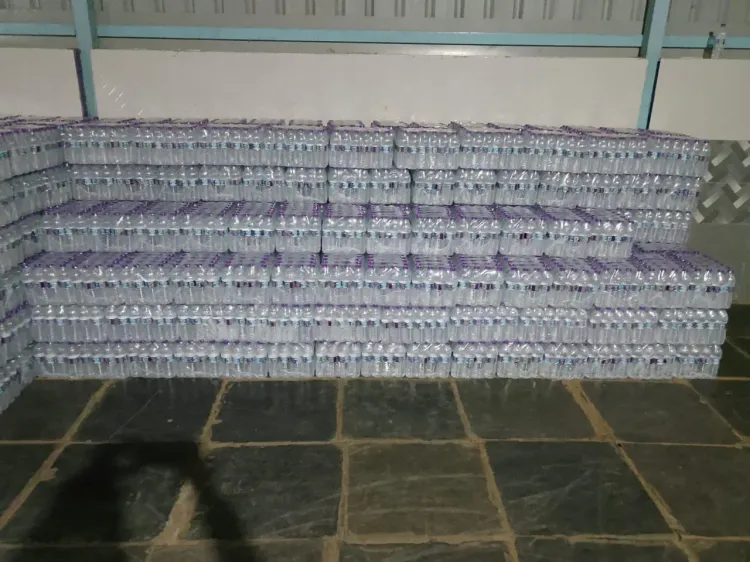
7,600 bags of bleaching powder and 7.57 lakh bottled-water units stockpiled statewide to address post-cyclone contamination risk.
13 mobile water treatment units deployed for real-time purification in affected areas.
District-level micro-plans pre-identify vulnerable piped schemes and handpumps; teams will be repositioned dynamically based on storm track and local conditions.
Before Cyclone Akwan can make landfall, Odisha has already moved its water-supply machinery into battle position — 1,012 rapid-response teams identified, 813 water tankers staged, and 7.57 lakh bottled-water units stockpiled across all 30 districts. The Chief Minister's Office of Odisha announced the sweeping pre-emptive measures on Wednesday, 18 November 2026, signalling the state's intent to protect the most basic service — drinking water — before the storm arrives.
District-by-district war rooms for water
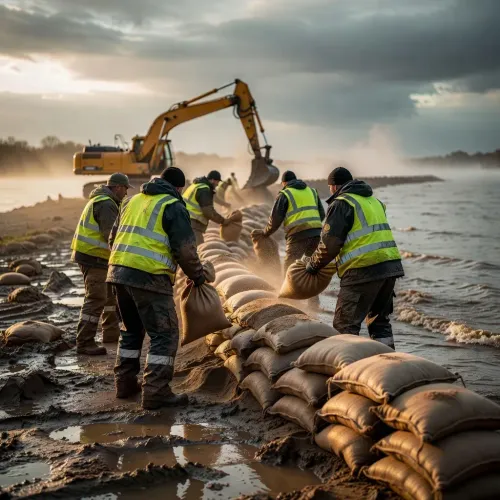
The scale of the deployment is granular by design. Ganjam district, Odisha's most cyclone-exposed coastal belt, leads the roster with 118 dedicated drinking-water restoration teams. Gajapati has 54, Malkangiri 63, Puri 55, Jagatsinghpur 40, Kendrapara 18, Baleshwar 12, Nabarangpur 12, and Rayagada 10 — with the remaining districts covered to complete the statewide grid of 1,012 teams.
Each team is backed by district-level micro-plans that have pre-identified vulnerable piped water supply schemes and handpumps likely to be damaged. The intent is to cut the gap between disruption and restoration to hours, not days.
Tankers, tablets, and mobile purifiers on standby
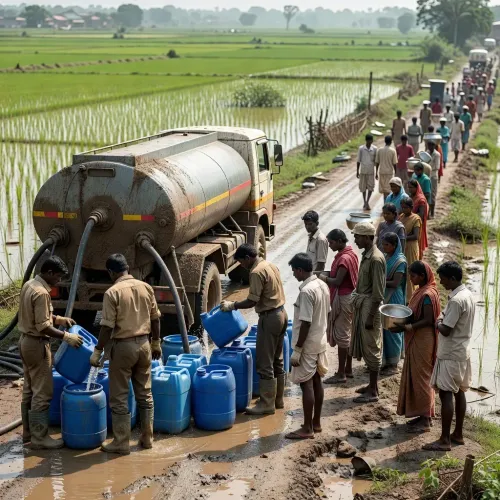
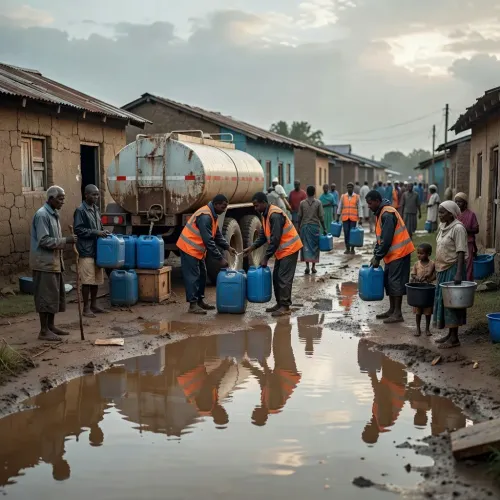
Beyond manpower, the state has pre-positioned hardware against two separate failure scenarios. For immediate post-cyclone supply, 813 water tankers, 903 Sintex tanks for temporary storage, and 417 generator sets are on standby to keep supply flowing when grid power fails. For quality assurance — particularly against post-flood contamination — 13 mobile water treatment units and nearly 7,600 bags of bleaching powder have been distributed across all 30 districts.
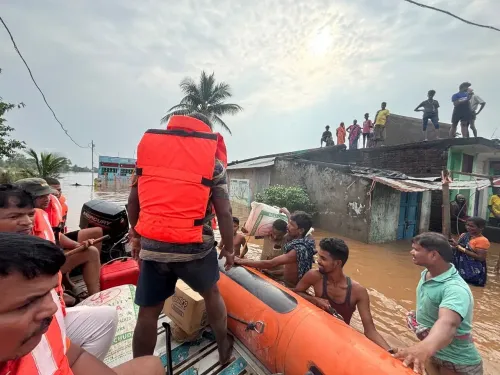
If piped infrastructure is knocked out entirely, the contingency protocol is clear: tankers roll first, temporary storage tanks follow, and bottled water bridges the gap until permanent systems are restored. Recovery teams will be repositioned dynamically based on real-time weather and ground conditions.
A protocol forged after 1999 and tested by Fani
Odisha's current preparedness architecture traces directly to the catastrophic 1999 super cyclone, which prompted the creation of the Odisha State Disaster Management Authority and a systematic effort to institutionalise pre-event logistics. The approach was field-tested at scale ahead of Cyclone Fani in 2019, when advance deployment of water tankers and bleaching powder stocks was credited with preventing a public-health crisis in the aftermath. The Akwan response follows the same playbook — refined and expanded.
The Rural Water Supply and Sanitation department's stated objective is unambiguous: ensure availability and quality of drinking water in rural areas before, during, and after the storm — with no community left dependent on a broken pipe and no alternatives in sight.
Odisha has turned cyclone preparedness into an institutional reflex. The question now is not whether the state is ready — the numbers say it is — but how hard Akwan tests that preparation.
Point of View
Particularly the prioritisation of coastal Ganjam with 118 units, signals that the state has mapped its vulnerability geography with precision. For a government measured heavily on post-disaster service restoration speed, pre-positioning at this scale is also a political statement: that the administration will not be caught flat-footed. The real test, as always, will be in the restoration timelines once Akwan passes.
NationPress
18 Nov 2026
Frequently Asked Questions
What is Cyclone Akwan and which parts of Odisha are most at risk?
Cyclone Akwan is a weather system being tracked in the Bay of Bengal with a possible impact on Odisha. Coastal districts such as Ganjam, Puri, Jagatsinghpur, and Kendrapara are considered most vulnerable based on historical cyclone tracks and the scale of teams deployed there.
How many water-restoration teams has Odisha deployed for Cyclone Akwan?
Odisha has identified 1,012 rapid drinking-water restoration teams for pre-positioning across all 30 districts ahead of Cyclone Akwan, with Ganjam alone receiving 118 teams.
What supplies are stockpiled for drinking water during the cyclone?
The state has stockpiled 7,600 bags of bleaching powder , 7.57 lakh bottles of water , 813 water tankers , 903 Sintex tanks , 417 generator sets , and 13 mobile water treatment units across all 30 districts.
How has Odisha handled cyclone water-supply preparedness in the past?
Odisha established the State Disaster Management Authority after the devastating 1999 super cyclone and deployed a similar advance logistics model ahead of Cyclone Fani in 2019 , which helped prevent a large-scale public-health emergency in the aftermath.
What happens if piped water supply is completely disrupted during the cyclone?
If regular piped supply fails, the state's protocol activates tankers for immediate delivery, temporary Sintex storage tanks for community use, and packaged bottled water as a bridge — supported by mobile water treatment units to restore quality supply.