Karnataka to adopt Japan models in transport, waste: Shivakumar
Synopsis
Karnataka is taking more than investment pledges from Japan. After a three-day visit, CM D.K. Shivakumar wants Japanese-style waste-to-energy plants, metro stations run as commercial hubs and Tokyo Olympics-style hybrid taxis. The state also secured 600 technical jobs in Harohalli and floated a PPP route for the Tumakuru Metro, with no state capital investment for now.
Key Takeaways
Shivakumar said on 28 November 2026 that Karnataka will adopt Japanese practices in transport, waste management and industry.
525 Japanese industrial establishments operate in Karnataka, and several plan to expand.
A private firm agreed to create 600 technical jobs at Harohalli in Bengaluru South district .
A Japanese waste-to-energy model producing at least 24 MW is being considered for Bengaluru , Hubballi-Dharwad and Mysuru .
The Tumakuru Metro extension may follow a PPP model, with no state capital investment at present.
The Global Investors' Meet will be held in Bengaluru next April.
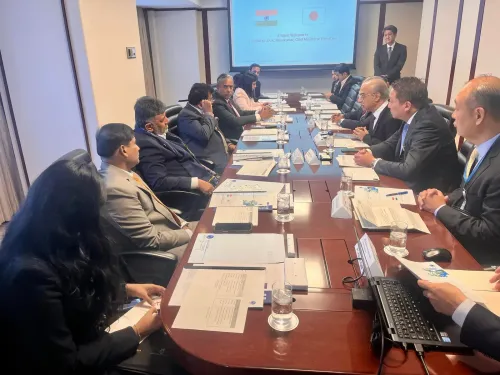
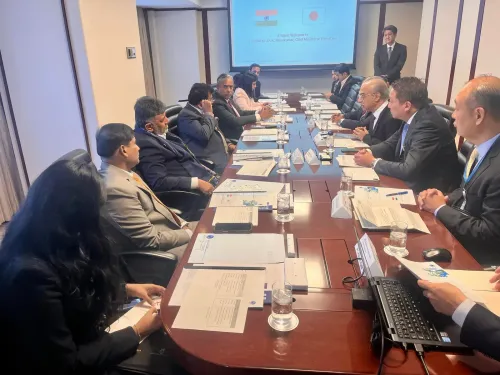
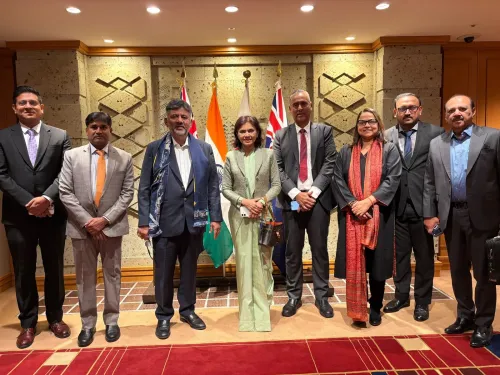
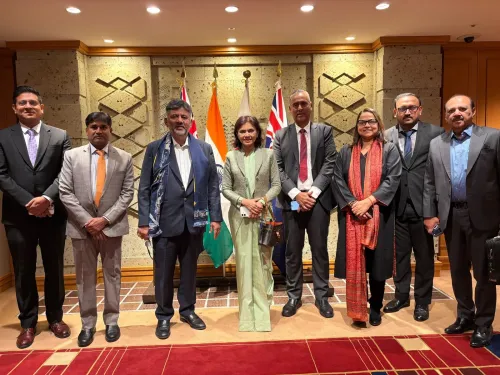
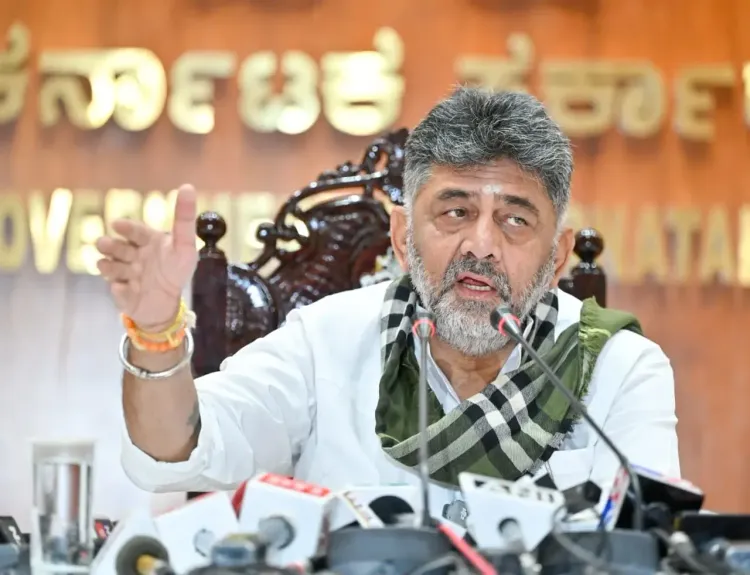
Karnataka will adopt best practices from Japan in urban transport, waste management, urban infrastructure and industrial development, Chief Minister D.K. Shivakumar announced in Bengaluru on Saturday, 28 November 2026. He was briefing the media on the outcomes of his three-day visit to Japan, which came as the state courts foreign investors ahead of its Global Investors' Meet, scheduled for Bengaluru next April.
Speaking at the Sangama conference hall in Vidhana Soudha, Shivakumar said Japan had much to offer in urban development, manufacturing, public transport and waste management. He singled out its discipline, punctuality and commitment as qualities worth emulating.
Feasibility Review Before Projects
The Chief Minister said the government would not copy Japanese systems wholesale. Each model will first be tested for feasibility in Karnataka.
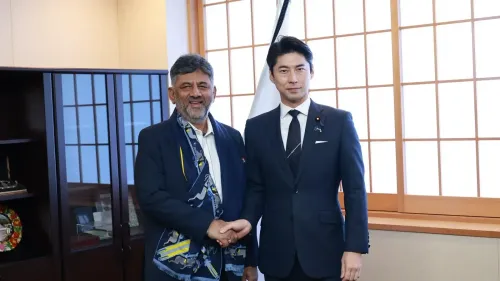
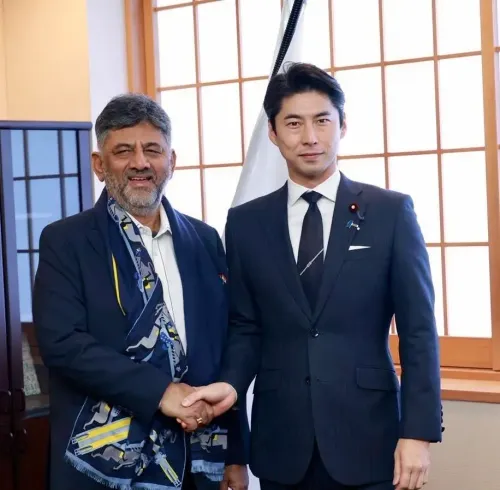
“We will consult officials and prepare projects after examining the feasibility of implementing Japanese models in our state. I have also held discussions with the Japanese Foreign Minister and Ambassador, who have assured their cooperation,” he said.
Shivakumar said the state was holding roadshows in several countries ahead of the investors' meet. According to him, several East Asian countries have shown interest in investing in Karnataka.
Waste-to-Energy and Metro Lessons
During the visit, Shivakumar toured a Japanese waste-to-energy facility that generates at least 24 MW of electricity from processed waste. He invited the stakeholders involved to explore similar projects in Karnataka.
He said such plants could come up in Bengaluru as well as in Hubballi-Dharwad and Mysuru, possibly with assistance from the Centre. Waste management has been a persistent challenge for Bengaluru, which gives the proposal particular relevance for the state capital.
Shivakumar also pointed to Japan's metro and railway network. He noted that its metro stations function as organised commercial centres and make maximum use of available space, and said he had directed officials to study how commercial use of metro stations in Karnataka could be improved.
Investment Commitments and Jobs
According to the Chief Minister, 525 Japanese industrial establishments currently operate in Karnataka, and several have expressed interest in expanding.
A car manufacturer he visited signalled interest in expanding its existing manufacturing facility in the state. Shivakumar said the government would extend all necessary support.
The state also reached an agreement with another private firm to create 600 technical jobs at its facility in Harohalli in Bengaluru South district. He added that the company has shown interest in investing across multiple sectors.
The government has invited Japanese companies to manufacture hybrid taxis in Karnataka, similar to the models introduced during the Tokyo Olympics. Shivakumar said these vehicles would make commuting more convenient without hurting autorickshaw operators, who would continue to receive government support.
Greenfield Push and Tumakuru Metro
Shivakumar said the government is keen to develop new greenfield projects beyond Bengaluru to attract investment and create jobs. Discussions with Japanese delegations covered urban development, new cities, townships and the expansion of commercial activity.
He promised faster approvals and fewer procedural delays for investors.
On the proposed Metro extension to Tumakuru, he said a public-private partnership (PPP) model was under consideration. Cities grow alongside metro connectivity and public convenience would be the priority, he said, adding that the state is not proposing any capital investment in the project at present.
The real measure of the Japan visit will come at next April's Global Investors' Meet, when the state's announcements will either turn into signed projects or remain proposals.
Point of View
But Indian cities have repeatedly struggled to make such imported models work. Mixed, unsegregated waste and fragmented civic governance have undermined earlier waste-to-energy efforts in several Indian cities. The Tumakuru Metro plan also needs scrutiny: proposing a PPP with zero state capital investment is ambitious for a corridor whose ridership is still unproven. The 600 Harohalli jobs are a concrete gain, but the investors' meet will show whether these announcements become signed projects.
NationPress
28 Nov 2026
Frequently Asked Questions
What Japanese models will Karnataka adopt?
Karnataka plans to adopt Japanese practices in urban transport, waste management, urban infrastructure and industrial development. These include waste-to-energy plants, commercial use of metro stations and hybrid taxis like those used at the Tokyo Olympics.
How many Japanese companies operate in Karnataka?
According to CM D.K. Shivakumar, 525 Japanese industrial establishments currently operate in Karnataka. Several have expressed interest in expanding, including a car manufacturer.
How many jobs came out of Shivakumar's Japan visit?
An agreement was reached with a private firm to create 600 technical jobs at its facility in Harohalli, Bengaluru South district. The company has also shown interest in investing across multiple sectors.
Will the Karnataka government fund the Tumakuru Metro extension?
No, the state is not proposing any capital investment in the project at present. A public-private partnership (PPP) model is being considered instead.
When is Karnataka's Global Investors' Meet?
The Global Investors' Meet is scheduled to be held in Bengaluru next April. The state is conducting roadshows in several countries ahead of the event.