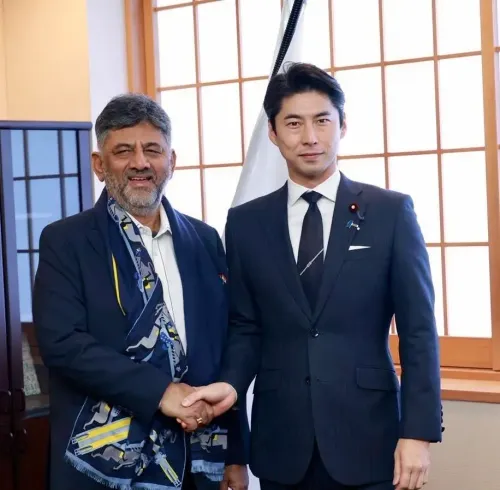
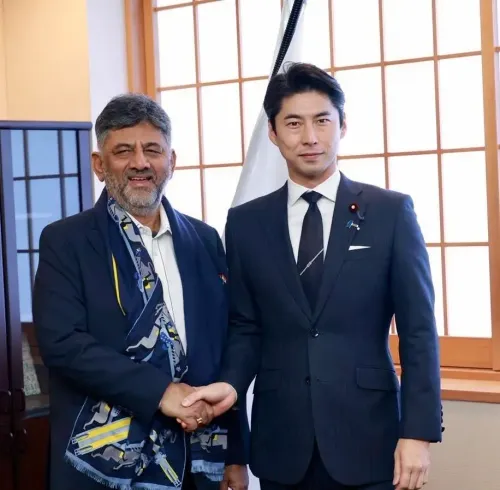
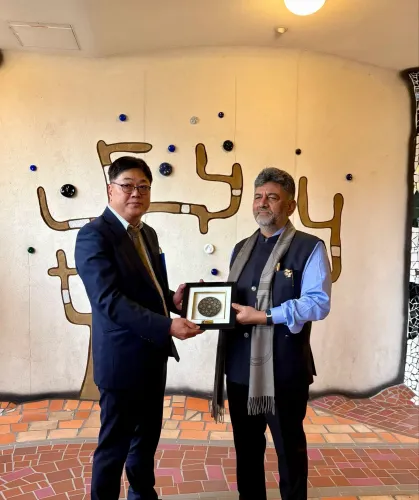
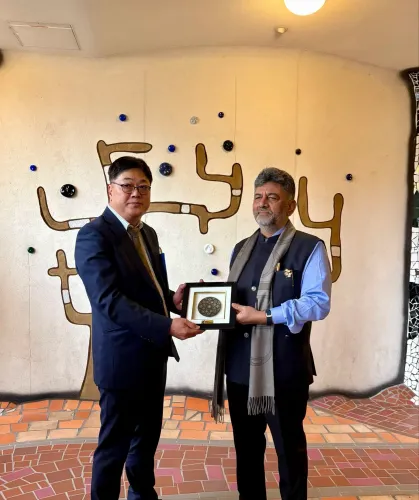
Karnataka CMO: Shivakumar, Patil hold JFE waste-to-energy talks
Synopsis
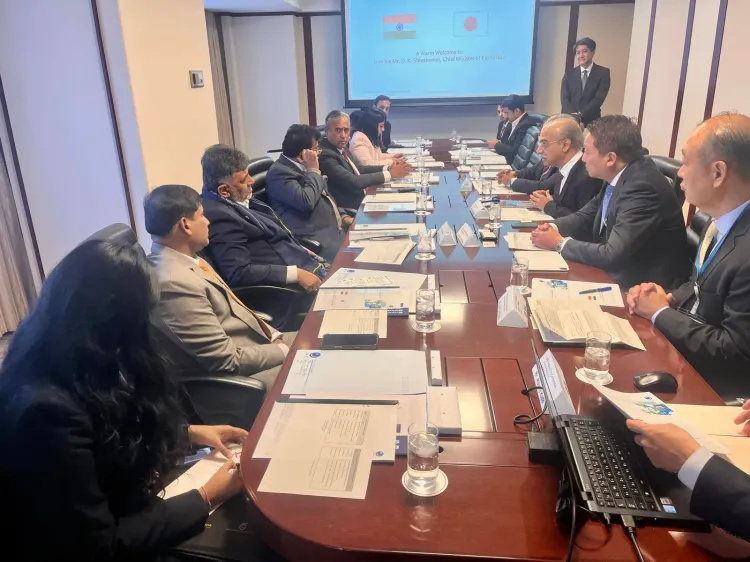
The Chief Minister's Office of Karnataka said CM D.K. Shivakumar and Minister M.B. Patil met JFE Engineering's Keiichi Nagaya in Japan to explore waste-to-energy plants, including units the firm said could generate about 15 MW, with interest beyond Bengaluru.
Key Takeaways
The Chief Minister's Office of Karnataka said CM D.K.
Shivakumar and Minister M.B.
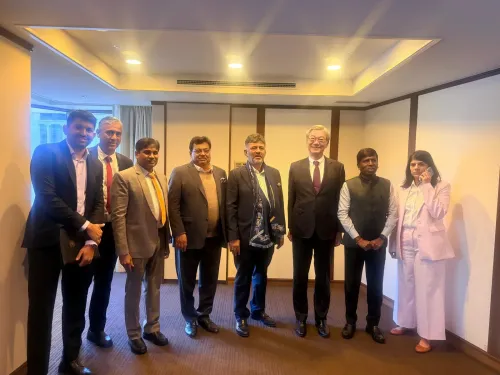
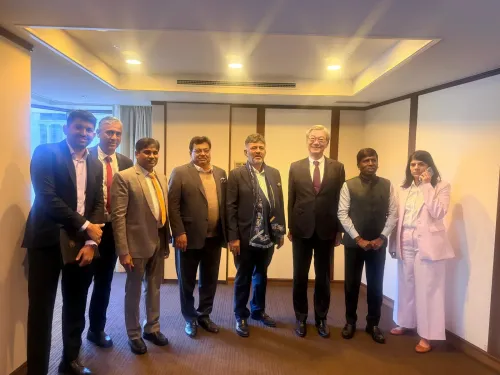
Patil met JFE Engineering MD Keiichi Nagaya in Japan .
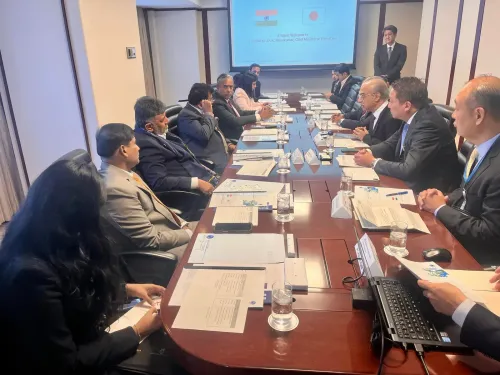
Talks covered waste-to-energy, municipal solid waste management and urban infrastructure cooperation.
The office said JFE shared expertise in plants with an estimated 15 megawatt generation capacity that also cut landfill volumes.
The government expressed interest in extending solutions beyond Bengaluru to other major Karnataka cities.
Officials discussed identifying local partners to pair Japanese technology with on-ground capacity for long-term operations.
The office said Karnataka will cooperate in further negotiations with JFE on feasible statewide projects.
On 25 November 2026, overflowing dumps met Japanese engineering: the Chief Minister's Office of Karnataka said Chief Minister D.K. Shivakumar and Large and Medium Industries and Infrastructure Development Minister M.B. Patil met JFE Engineering Corporation Managing Director Keiichi Nagaya and senior officials in Japan to explore waste-to-energy, municipal solid waste management and urban infrastructure cooperation. The office said the company walked the Karnataka side through its work converting city waste into energy in Japan, India and elsewhere.
The post described a hunt for technology that shrinks what reaches disposal sites and, in the same motion, puts power on the grid. JFE Engineering's track record in municipal solid-waste-to-energy projects was the core of the briefing.
JFE's plants and a 15 MW generation pitch
According to the Chief Minister's Office, the firm shared expertise in developing waste-to-energy units with an estimated capacity to generate 15 megawatts of electricity, while cutting the volume of waste sent to landfills. That figure is the office's account of what JFE presented, not an independently confirmed specification for any Karnataka site.
The delegation examined whether JFE's technology and operating models — combining waste processing, energy recovery and long-term operations — could be fitted to Karnataka's urban waste needs. Talks also covered tailored solutions keyed to each city's waste mix, collection systems, volumes and infrastructure gaps. One city's wet refuse is not another's dry load. A plant that runs in one municipality can stall in the next.
Bengaluru first, other Karnataka cities on the map
The government, the office said, expressed interest in extending improved waste-to-energy solutions not only to Bengaluru but also to other major cities in Karnataka. Identifying suitable local partners to combine Japanese technology and engineering expertise with local capacity for project development, implementation and long-term management was also discussed.
Karnataka has pursued municipal solid waste upgrades under the Swachh Bharat Mission since 2014, including waste-to-energy pilots in Bengaluru. Indian states have repeatedly sought Japanese engineering partnerships to cut landfill use and generate power — a city-scale strand of India-Japan green technology cooperation.
Further negotiations with JFE Engineering
The office said the government will provide necessary cooperation for the next round of talks with JFE Engineering to explore feasible waste-to-energy and urban infrastructure projects across the state. Urban local bodies would have to operate whatever is built. Residents would feel it in thinner dumps and, if plants run as designed, in extra megawatts.
What follows is whether those talks produce pilots, named local partners, and plants sized to real waste streams — not only a high-level briefing in Japan.
Landfills do not wait. Karnataka has put a Japanese engineering heavyweight on the table for a statewide waste-to-energy push, and Bengaluru is explicitly not the only city in the frame.
Point of View
And it deliberately widens the canvas beyond Bengaluru. The real test is not the meeting itself but whether local partners, waste characterisation and long-term operations can be locked in. Until that happens, generation figures cited in the briefing remain a company pitch, not a grid injection.
NationPress
25 Nov 2026
Frequently Asked Questions
Who did Karnataka CM D.K. Shivakumar meet in Japan on waste-to-energy?
The Chief Minister's Office of Karnataka said he and Minister M.B. Patil met JFE Engineering Corporation Managing Director Keiichi Nagaya and senior company officials in Japan. The talks covered waste-to-energy, municipal solid waste management and urban infrastructure.
What did JFE Engineering tell the Karnataka delegation about power from waste?
According to the Chief Minister's Office, the company shared expertise in waste-to-energy units with an estimated capacity to generate 15 megawatts while reducing waste sent to disposal sites. That is the office's account of JFE's presentation, not a confirmed Karnataka plant rating.
Will Karnataka's waste-to-energy plan cover cities other than Bengaluru?
Yes. The office said the government expressed interest in extending improved waste-to-energy solutions not only to Bengaluru but also to other major cities in Karnataka. Custom solutions for each city's waste mix and collection system were also discussed.
Why is Karnataka looking at Japanese waste-to-energy firms?
Indian states have sought Japanese engineering partnerships to cut landfill use and generate power, building on municipal waste upgrades under the Swachh Bharat Mission since 2014. JFE Engineering has worked on converting municipal solid waste into energy in Japan, India and other countries, the office said.
What is Karnataka's next step with JFE Engineering?
The Chief Minister's Office said the government will provide necessary cooperation for further negotiations with JFE Engineering. Those talks are meant to explore feasible waste-to-energy and urban infrastructure projects across the state and to identify local partners for implementation and long-term management.