Karnataka CM Shivakumar holds JFE-JSW talks in Japan
Synopsis
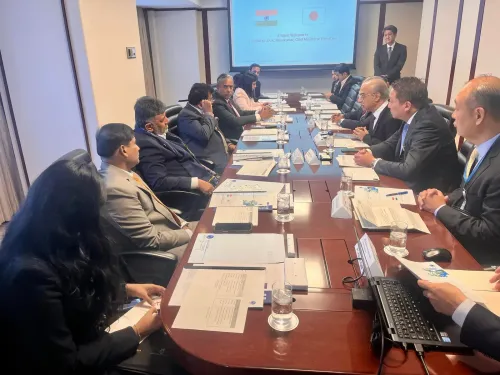
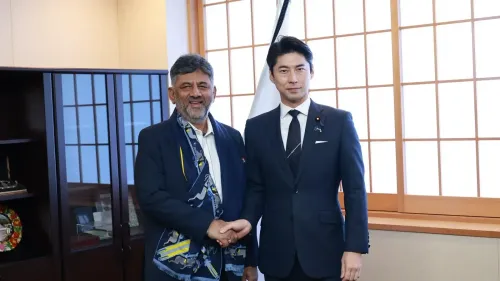
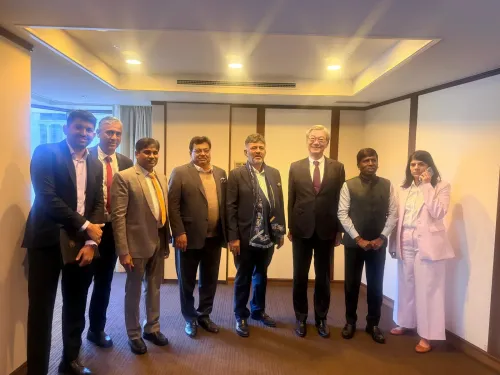
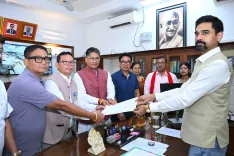
Karnataka CM D. K. Shivakumar and Industries Minister M. B. Patil met JFE Steel executive vice president Ogawa Hiroyuki and JSW Steel officials in Japan on 25 November 2026. Talks covered expanding the long JFE–JSW partnership, value-added steel, and state support on clearances and infrastructure.
Key Takeaways
On 25 November 2026 , Karnataka Chief Minister D.
Shivakumar and Industries Minister M.
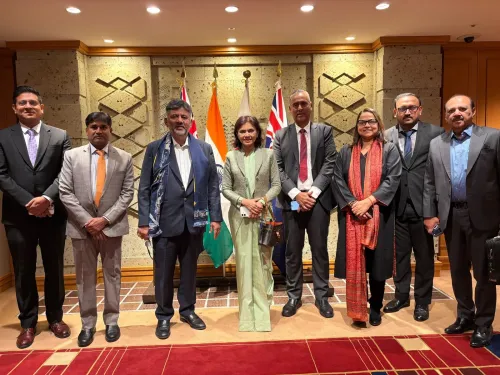
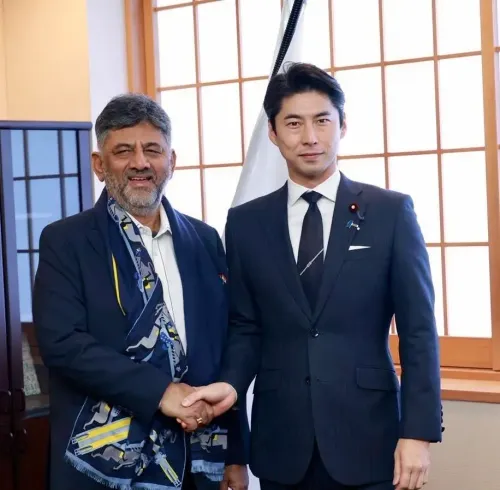
Patil met JFE Steel executive vice president Ogawa Hiroyuki and senior JFE and JSW Steel officials in Japan .
Talks covered the firms' role in Karnataka's steel and manufacturing growth and further strengthening the long-term JFE–JSW partnership.
The state highlighted opportunities in improved steel production and value-added products and offered full cooperation on permissions, infrastructure and other facilities.
JFE and JSW expressed willingness to continue the partnership and hold further talks on industrial growth and new investments in Karnataka.
JSW Steel and JFE Steel have maintained a strategic alliance since the mid-2000s involving equity and technology collaboration.
No investment amounts, timelines or new agreements were announced in the official readout.
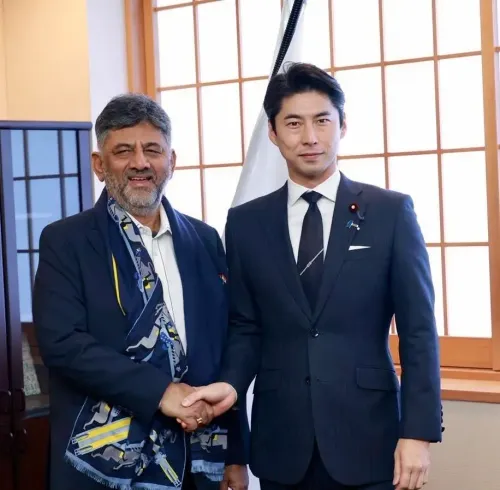
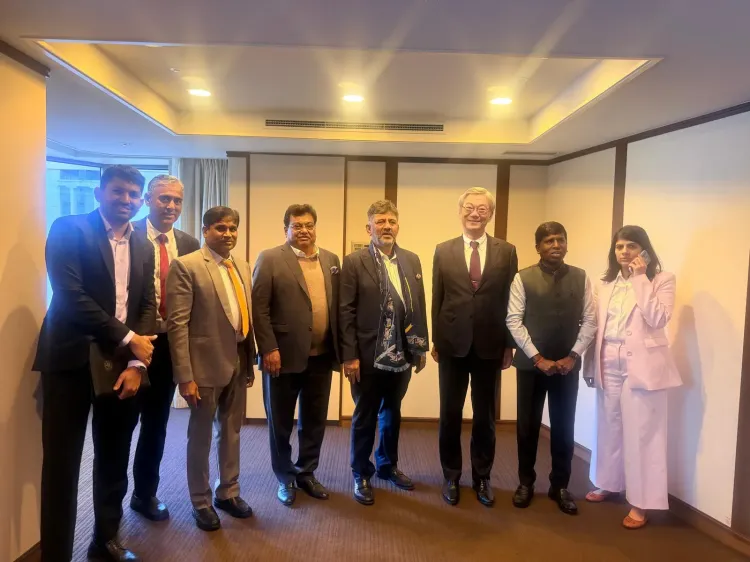
Karnataka went to Japan to ask a long-term steel alliance to grow on its soil, the Chief Minister's Office of Karnataka said on 25 November 2026. Chief Minister D. K. Shivakumar and Industries Minister M. B. Patil met JFE Steel Corporation executive vice president Ogawa Hiroyuki and senior representatives of JFE Steel and JSW Steel in Japan.
The office said the leaders discussed the companies' role in the growth of Karnataka's steel and manufacturing sector, further strengthening the long-standing JFE–JSW partnership, and opportunities to expand investment in the state. Officials also brought Karnataka's industrial openings in improved steel production and value-added products to the firms' attention. A detailed discussion followed on the state government providing full cooperation for the permissions, infrastructure and other facilities required for current and upcoming investment projects.
Both organisations, the office added, expressed a willingness to continue the JFE–JSW partnership and to hold further talks to create openings for industrial growth and new investments in Karnataka. The state government, it said, is committed to raising manufacturing capacity, investment and employment by expanding partnerships with global industrial organisations.
JFE and JSW's alliance, built in the mid-2000s
JSW Steel and JFE Steel struck a strategic alliance in the mid-2000s involving equity investment and technology collaboration. JSW runs major plants in Karnataka. JFE is a major Japanese steel producer with global operations and existing technology and equity ties to Indian steel firms. That history is why this meeting matters. It is an attempt to stretch an old partnership into more output on Karnataka soil.
State governments in Karnataka have consistently courted international partners to lift steel output and downstream manufacturing. Successive administrations have engaged Japanese and other foreign firms through targeted delegations focused on technology transfer and capital inflows. The approach sits inside India's broader push to raise domestic steel production and plug plants into global value chains.
Clearances, infrastructure and a state offer of support
The Chief Minister's Office said Karnataka flagged industrial opportunities for improved steel production and the manufacture of value-added products. It also pledged full cooperation on permissions, infrastructure and other facilities for present and future projects. That facilitation language tracks Karnataka's Industrial Policy 2020-25, which outlined incentives and infrastructure support to attract investment in steel, automotive and advanced manufacturing.
M. B. Patil, minister for large and medium industries, was in the room with the chief minister — a signal that the talk is meant to move from partnership language to project execution. No investment amount, project timeline or new agreement was announced in the public readout. The office stressed cooperation and further talks, not a signed expansion.
Jobs, value-added steel and the follow-up test
The political economy is straightforward. Steel plants mean capital, power demand, logistics and jobs. Karnataka already hosts significant JSW capacity; the government is now asking JFE and JSW to do more, including in value-added products that sit further down the manufacturing chain.
Follow-up announcements on any new JFE–JSW investment commitments, project approvals or memorandums in Karnataka — and whether the firms appear at upcoming state investment summits — will show whether the Japan round produced more than a joint photograph. Karnataka has made its ask. The next test is whether that willingness becomes a project that actually breaks ground.
Point of View
Deepen an existing equity-and-tech alliance, and convert it into more steel and downstream manufacturing inside the state. Putting both the chief minister and the large-and-medium industries minister in the room signals that Bengaluru wants the conversation to move from partnership language to project facilitation — land, power, logistics and clearances. Manufacturing jobs remain a core political test in a state that already hosts major JSW operations. The readout, however, stopped at willingness and further talks; this policy arc will be judged by whether a follow-up commitment actually lands.
NationPress
25 Nov 2026
Frequently Asked Questions
Who did Karnataka CM D. K. Shivakumar meet in Japan?
He met JFE Steel Corporation executive vice president Ogawa Hiroyuki and senior representatives of JFE Steel and JSW Steel, together with Industries Minister M. B. Patil, on 25 November 2026. The Chief Minister's Office of Karnataka issued the readout of the talks.
What did they discuss in the JFE-JSW meeting?
The talks covered the companies' role in Karnataka's steel and manufacturing growth, strengthening the long-term JFE–JSW partnership, and opportunities for investment expansion. The state also offered cooperation on permissions, infrastructure and other facilities for current and future projects.
What is the JFE Steel and JSW Steel partnership?
JSW Steel and JFE Steel established a strategic alliance in the mid-2000s involving equity investment and technology collaboration for steel production. JSW operates major plants in Karnataka, which is why the state is pressing to deepen the tie-up.
Did Karnataka announce a new steel investment amount?
No. The Chief Minister's Office readout did not announce any investment amount, timeline or new signed agreement. Both organisations expressed willingness to continue the partnership and hold further talks.
Why is Karnataka courting Japanese steel firms?
Karnataka has long sought international partnerships, including with Japanese firms, to raise steel output, downstream manufacturing, investment and jobs. The state's Industrial Policy 2020-25 offered incentives and infrastructure support for steel and advanced manufacturing.