Karnataka Cabinet calls special Assembly session from Sep 21; clears Global Investment dept
Synopsis
Karnataka's Cabinet has scheduled a special Assembly session for 21 September to confront two politically charged issues — the contentious Kasturirangan Western Ghats report and a deepening drought. In the same sitting, it approved a brand-new department to fast-track foreign investment, signalling that the Shivakumar government is simultaneously managing an environmental standoff and an economic pitch to global capital.
Key Takeaways
The Karnataka Cabinet has called a three-day special Assembly session from 21 September to discuss the Kasturirangan report and the state's drought situation .
A new Department of Global Investment and Overseas Affairs was approved to streamline foreign investment proposals and support NRIs .
A State Facilitation Council will be chaired by Chief Minister D.K.
Shivakumar and co-chaired by Deputy CM G.
Karnataka reaffirmed a state guarantee for a ₹2,000-crore NABARD loan for the Karnataka State Cooperative Agriculture and Rural Development Bank .
The Cabinet cleared a ₹115-crore project to fill 137 lakes in Byadgi and Hanagal taluks, and a ₹56-crore project for 12 lakes in Kalaburagi district.
Karnataka received in-principle approval to join the Centre's RCS-UDAN 6.0 regional connectivity scheme.
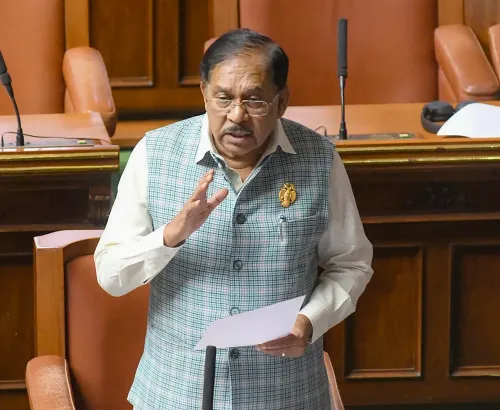
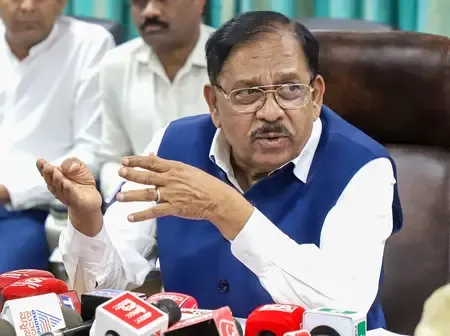
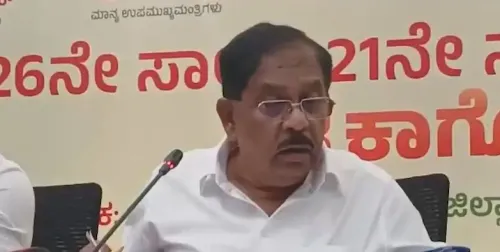
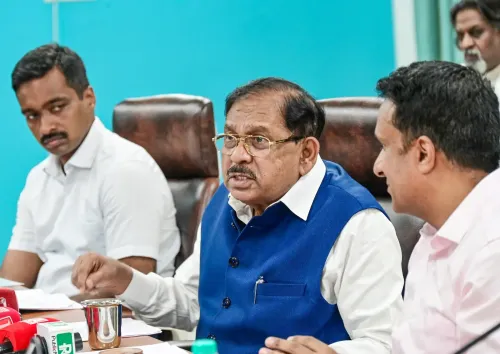
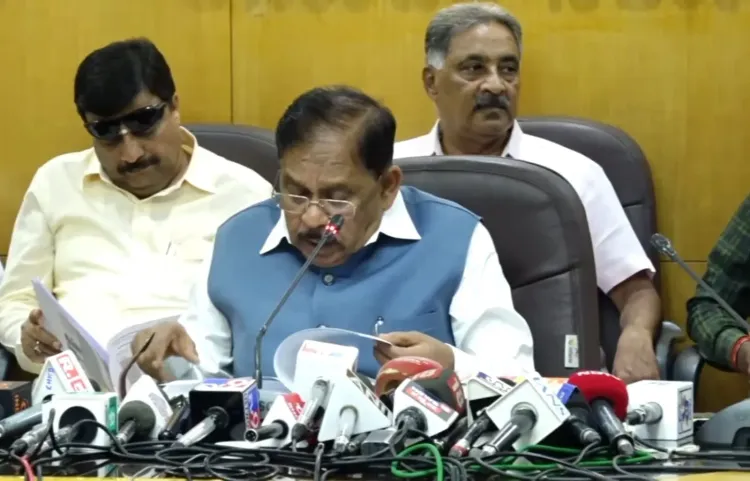
The Karnataka Cabinet has resolved to convene a three-day special Assembly session beginning 21 September to deliberate on the Kasturirangan report and the state's worsening drought situation. Deputy Chief Minister G. Parameshwara announced the decision on Thursday, 3 September, following a Cabinet meeting at Vidhana Soudha in Bengaluru.
New Department for Global Investment and Overseas Affairs
In a significant structural reform, the Cabinet approved the creation of a dedicated Department of Global Investment and Overseas Affairs. The department is designed to streamline foreign investment proposals, build international partnerships, and address the concerns of Non-Resident Indians (NRIs).
Parameshwara underscored the urgency: 'The objective is to ensure that foreign investors do not have to wait without anyone attending to their proposals.' He noted that in the past, investors who received inadequate responses had redirected their capital to other states or countries — a pattern the new department aims to break.
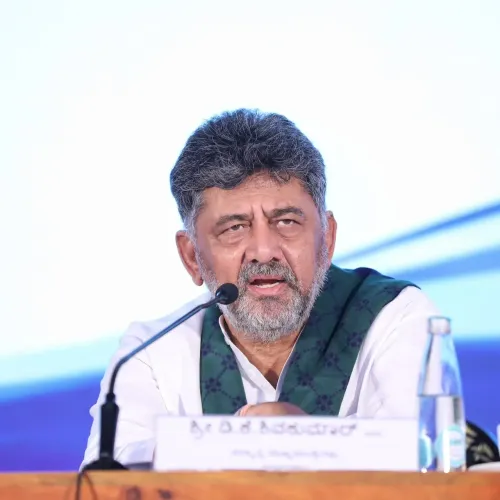
A State Facilitation Council will oversee the department, chaired by Chief Minister D.K. Shivakumar and co-chaired by Parameshwara. Its membership will span ministers from Industries, Agriculture, Horticulture, IT/Biotechnology, Urban Development, Bengaluru Development, Higher Education, Power, Health, Sports and Medical Education. The department's mandate extends to global R&D, innovation, cultural diplomacy, sports diplomacy, sister-city partnerships, and healthcare and medical tourism initiatives.
Kasturirangan Report and Drought on Session Agenda
The Kasturirangan report, prepared by a high-level committee led by scientist K. Kasturirangan, recommends designating ecologically sensitive zones across the Western Ghats and curtailing mining, quarrying, and large infrastructure projects in those areas. Karnataka has consistently opposed several of the panel's recommendations, citing risks to farmers, livelihoods, and development prospects in Western Ghats districts. The special session will give legislators a formal platform to debate the state's position before any central decision crystallises.
The drought situation — the second major agenda item — has placed pressure on the Siddaramaiah-led government to demonstrate visible relief action ahead of local body elections. Detailed legislative discussion is expected to shape the state's relief and compensation framework.
Other Key Cabinet Decisions
Beyond the headline announcements, the Cabinet cleared several other measures:
It withdrew an earlier order dismissing B. Padmanabha, a Superintending Engineer, from government service. Karnataka also received in-principle approval to participate in the Centre's revised Regional Connectivity Scheme, RCS-UDAN 6.0, with an MoU to be signed accordingly, alongside a review of air connectivity for Tier-2 and Tier-3 cities.
The state reaffirmed its guarantee for a ₹2,000-crore loan to be availed by the Karnataka State Cooperative Agriculture and Rural Development Bank through NABARD. The Cabinet also approved a development programme for SC/ST colonies under the Kabini and Taraka reservoir projects, along with ₹61 crore for rehabilitation village works.
A ₹115-crore project to fill 137 lakes in Byadgi and Hanagal taluks was cleared, as was a ₹56-crore project to lift water from the Bori River in Kalaburagi district to replenish 12 lakes.
What to Watch Next
With the special session set for 21 September, the government's handling of the Kasturirangan report will be closely watched by environmental groups, farmers' organisations, and opposition parties alike. The Global Investment department's effectiveness will ultimately be measured by whether it can reduce the response lag that has historically cost Karnataka foreign capital.
Point of View
Calling a special session is politically smart but legislatively limited: the Assembly can express its opposition, but the report's fate rests with the Centre. The real question is whether Bengaluru's investment pitch can survive the uncertainty that a prolonged Western Ghats dispute injects into land-use and infrastructure planning.
NationPress
19 Oct 2026
Frequently Asked Questions
Why has the Karnataka Cabinet called a special Assembly session on 21 September?
The Karnataka Cabinet has convened a three-day special Assembly session from 21 September to formally discuss the Kasturirangan report on Western Ghats ecological sensitivity and the state's ongoing drought situation. The session will allow legislators to debate Karnataka's official position on both issues before any central policy decisions are finalised.
What is the Kasturirangan report and why does it matter for Karnataka?
The Kasturirangan report, prepared by a high-level committee led by scientist K. Kasturirangan, recommends designating large parts of the Western Ghats as ecologically sensitive areas and restricting mining, quarrying, and major infrastructure projects there. Karnataka has opposed several recommendations, arguing they threaten farmers' livelihoods and development prospects in Western Ghats districts.
What will the new Department of Global Investment and Overseas Affairs do?
The new department will coordinate the reception of foreign delegations, facilitate investment proposals, connect investors with the Chief Minister and relevant administrative departments, and support NRI welfare and overseas employment. A State Facilitation Council chaired by Chief Minister D.K. Shivakumar will govern it, with Deputy CM G. Parameshwara as Vice-Chairman.
What other major decisions did the Karnataka Cabinet take on 3 September?
The Cabinet approved Karnataka's participation in the Centre's RCS-UDAN 6.0 regional connectivity scheme, reaffirmed a ₹2,000-crore NABARD loan guarantee for the Karnataka State Cooperative Agriculture and Rural Development Bank, cleared ₹61 crore for SC/ST colony development, approved a ₹115-crore lake-filling project in Byadgi and Hanagal taluks, and cleared a ₹56-crore water-lifting project in Kalaburagi district.
Who will lead the State Facilitation Council under the new investment department?
Chief Minister D.K. Shivakumar will chair the State Facilitation Council, with Deputy Chief Minister G. Parameshwara serving as Vice-Chairman. The council will include ministers from Industries, Agriculture, IT/Biotechnology, Urban Development, Health, Sports, and several other departments.