Karnataka CM lays out Rs 44,631 cr SC/ST welfare push
Synopsis
On Independence Day 2026, Karnataka's Chief Minister's Office announced Rs 44,631 crore for SC/ST welfare, a 99% SSLC pass rate in government residential schools, Rs 4,000 crore for OBC hostels, 119 Eklavya tribal schools, and Rs 494 crore in minority scholarships — framing equal opportunity as the foundation of social justice.
Key Takeaways
Rs 44,631 crore allocated for Scheduled Caste and Scheduled Tribe welfare in the current financial year.
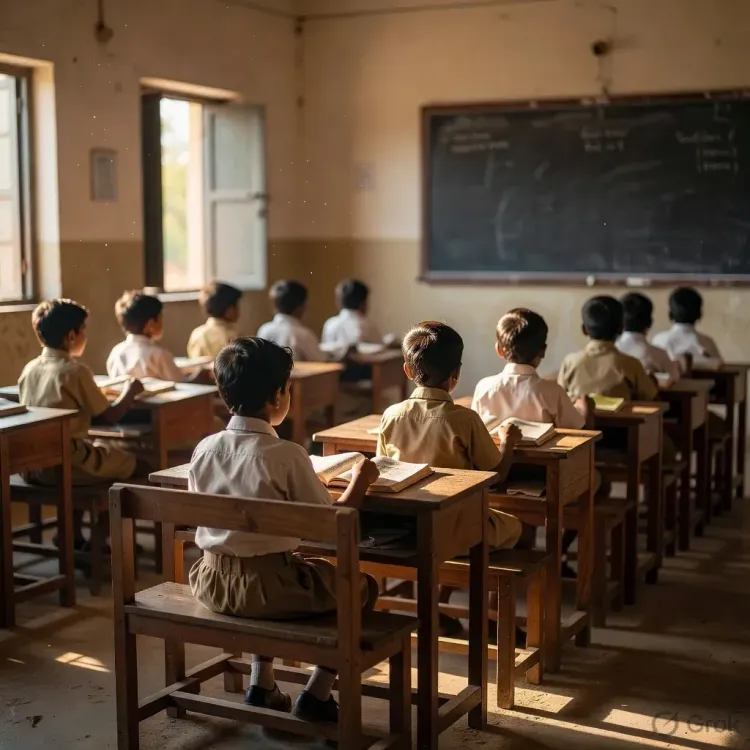
Government residential school students achieved a 99 per cent pass rate in the SSLC examination.
The Backward Classes Welfare Department operates 2,712 hostels housing 2.58 lakh students , with Rs 4,000 crore allocated for 2026-27 .
119 Eklavya Model Residential Schools provide boarding to 2.60 lakh tribal children across Karnataka.
8.60 lakh minority students are receiving scholarships totalling Rs 494 crore .
The government frames equal opportunity — not affirmative rhetoric — as the operative definition of social justice.
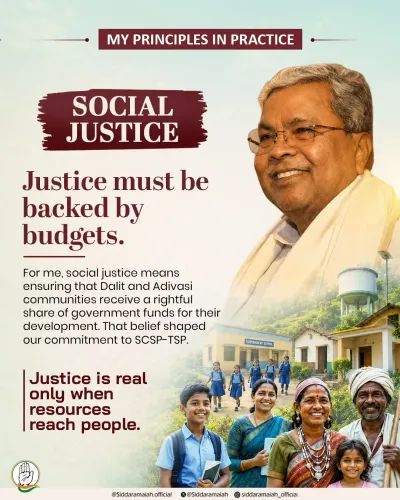
On Independence Day, 15 August 2026, the Chief Minister's Office of Karnataka put hard numbers to a principle — that social justice is not a slogan but a budget line. The post, part of a series, declared that caste and religion must never determine opportunity, and backed that declaration with some of the largest welfare allocations the state has announced in a single year.
Rs 44,631 crore earmarked for SC/ST welfare in a single year
The centrepiece of the announcement is a Rs 44,631 crore allocation for the welfare of Scheduled Castes and Scheduled Tribes in the current financial year — a figure that signals the government's intent to make its social justice commitments measurable. Karnataka has operated the Scheduled Caste Sub-Plan (SCSP) and Tribal Sub-Plan (TSP) framework since the 1970s, channelling proportionate plan funds to these communities as a constitutional obligation under Articles 15(4), 46 and 335. What the post adds is a sharp insistence on outcomes, not just outlays.
The proof it points to: residential school students from these communities clearing the SSLC (Secondary School Leaving Certificate) examination at a 99 per cent pass rate — a number that, if sustained, would place state-run welfare hostels on par with elite private institutions.
2,712 hostels, 2.58 lakh students, and Rs 4,000 crore for OBCs
The Backward Classes Welfare Department runs 2,712 student hostels currently housing 2.58 lakh students from Other Backward Classes. For 2026-27, the department has been allocated approximately Rs 4,000 crore — a grant the government says is aimed squarely at expanding residential access for children who would otherwise have no path to secondary or higher education.
ಸಾಮಾಜಿಕ ನ್ಯಾಯ ಕೇವಲ ಮಾತಿನಿಂದ ಸಾಧ್ಯ ಆಗುವುದಿಲ್ಲ ('Social justice cannot be achieved by words alone'), the post stated — a line that doubles as both a policy philosophy and a pointed contrast with what the government characterises as rhetoric-heavy predecessors.
119 Eklavya schools and the push to reach tribal children
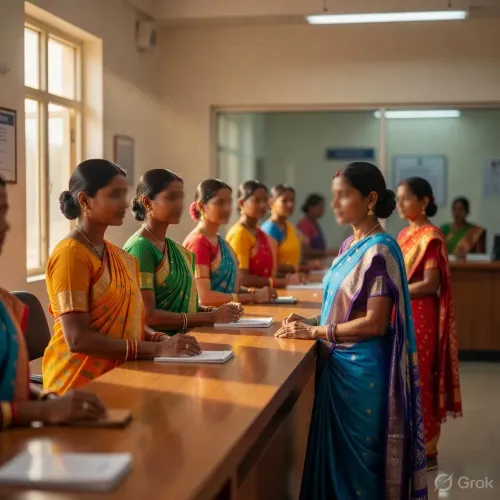
For Scheduled Tribe children in remote areas, the government is banking on 119 Eklavya Model Residential Schools — the centrally sponsored scheme designed to bring quality residential education to tribal hamlets far from urban centres. These schools collectively provide boarding facilities for 2.60 lakh students, giving tribal children access to structured schooling that geography would otherwise deny them.
Rs 494 crore in scholarships for 8.60 lakh minority students
Rounding out the social equity architecture is a scholarship programme for minority community students: 8.60 lakh beneficiaries receiving scholarships worth a combined Rs 494 crore. The post frames all three streams — SC/ST welfare, OBC hostels, minority scholarships — as branches of a single governing principle: that equal opportunity is the precondition for social justice, not its reward.
The real test, as always, will be in the utilisation reports — whether the money reaches classrooms, not just accounts. But on Independence Day, Karnataka's government chose to make its case in numbers. That 99 per cent pass rate is the number to watch.
Point of View
Signalling that the Congress-led government wants its social justice record judged on measurable outcomes. The 99 per cent SSLC pass rate in state-run residential schools, if verified, would be a powerful counter-narrative to the perception that government welfare schools underperform. Anchoring the message on the SCSP/TSP framework — a decades-old constitutional mechanism — also insulates the allocations from charges of electoral populism, positioning them as structural commitments rather than pre-election gestures. The broader arc points to an intensifying competition among southern states to demonstrate social equity credentials through hard data, not just legislation.
NationPress
15 Aug 2026
Frequently Asked Questions
How much has Karnataka allocated for SC and ST welfare in 2026?
Karnataka has earmarked Rs 44,631 crore for the welfare of Scheduled Castes and Scheduled Tribes in the current financial year, as announced by the Chief Minister's Office on 15 August 2026 .
What is the SSLC pass rate in Karnataka government residential schools?
Students in Karnataka government residential welfare schools achieved a 99 per cent pass rate in the SSLC (Class 10 board) examination, according to the Chief Minister's Office.
What are Eklavya Model Residential Schools in Karnataka?
Eklavya Model Residential Schools are centrally sponsored residential institutions designed to provide quality education to Scheduled Tribe children in remote areas. Karnataka operates 119 such schools , providing boarding facilities to 2.60 lakh tribal students .
How many students are in Karnataka's Backward Classes Welfare hostels?
The Backward Classes Welfare Department of Karnataka runs 2,712 student hostels accommodating 2.58 lakh students , with approximately Rs 4,000 crore allocated to the department for 2026-27 .
What scholarships is Karnataka giving to minority students in 2026?
Karnataka is providing scholarships worth Rs 494 crore to 8.60 lakh students from minority communities as part of its social equity programme.