Karnataka SC students get ₹1,178 crore in post-matric scholarships over 3 years
Synopsis
The Centre has channelled over ₹1,178 crore to Karnataka's Scheduled Caste students in just three years under its post-matric scholarship scheme — but a notable dip in the most recent year's disbursement, from ₹422 crore to ₹334 crore, raises questions about whether state-level data submission bottlenecks are slowing the flow of funds to eligible students.
Key Takeaways
The Centre disbursed ₹1,178.20 crore to Karnataka SC students under the Post-Matric Scholarship Scheme across three financial years .
Year-wise releases: ₹421.08 crore (2023-24), ₹422.90 crore (2024-25), ₹334.22 crore (2025-26).
All disbursements are made via Direct Benefit Transfer (DBT) mode, introduced in 2021-22 .
Fund release depends on states uploading verified payment data to the National Scholarship Portal .
The scheme is open-ended and demand-driven for all eligible SC students in recognised institutions across India.
The broader DAPSC framework, governed by NITI Aayog guidelines from 2017 , directs ministries to earmark funds for SC development through their respective schemes.
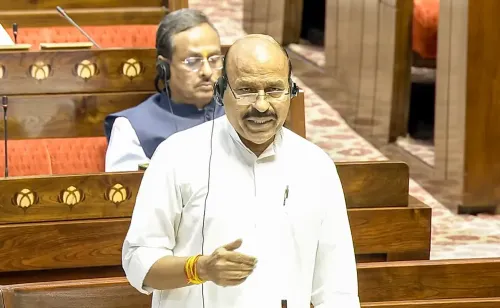
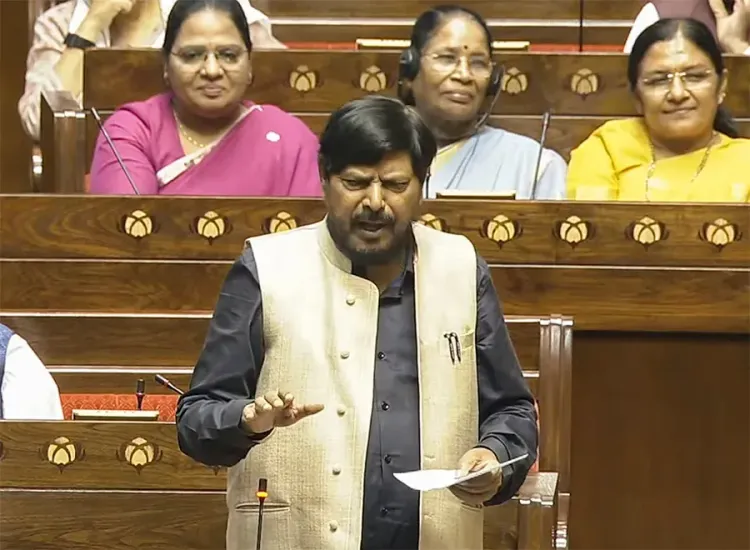
The Centre has disbursed a cumulative ₹1,178.20 crore to Scheduled Caste (SC) students in Karnataka under the Centrally Sponsored Post-Matric Scholarship Scheme over the last three financial years, according to data tabled in Parliament. The figures were disclosed by Minister of State for Social Justice and Empowerment Ramdas Athawale in a written reply to a question in the Rajya Sabha on 9 August.
Year-wise Disbursement Breakdown
The Central share released to Karnataka beneficiaries stood at ₹421.08 crore in 2023-24, ₹422.90 crore in 2024-25, and ₹334.22 crore in 2025-26, totalling ₹1,178.20 crore across the three-year period. The dip in the most recent year — from roughly ₹422 crore to ₹334 crore — is notable, though the government has not offered a specific explanation for the decline in the parliamentary response.
How the Scheme Works
The Department of Social Justice and Empowerment implements the Post-Matric Scholarship for SC students as a Centrally Sponsored Scheme, routed through state governments and Union Territory administrations. Since 2021-22, all disbursements have been made exclusively through Direct Benefit Transfer (DBT) mode, transferring funds directly into beneficiaries' accounts to reduce leakage.
Crucially, the release of the Central share is contingent on state governments submitting finally verified payment data on the National Scholarship Portal. The scheme is described as open-ended and demand-driven, covering all eligible SC students enrolled in recognised institutions across India.
DAPSC Framework and Budget Allocation
On the broader Development Action Plan for Scheduled Castes (DAPSC), the government noted that NITI Aayog issued guidelines in 2017 directing each obligated Ministry or Department to earmark funds for the socio-economic development of Scheduled Castes through their respective schemes. Allocation to individual states, including Karnataka, is undertaken by the relevant ministries in line with their scheme guidelines, with figures reflected in Statement 10A of the Union Budget's Expenditure Profile.
Why This Matters
Karnataka has one of the largest SC populations among Indian states, making the scholarship pipeline a critical lifeline for students pursuing higher education beyond Class 10. The shift to DBT since 2021-22 was intended to eliminate middlemen and ensure timely credit, though implementation quality depends heavily on state-level data submission to the National Scholarship Portal. This comes amid ongoing national debate on the pace and adequacy of welfare transfers to marginalised communities. Notably, the year-on-year variation in disbursements underscores how the demand-driven structure can produce uneven flows if state verification processes lag.
Point of View
178 crore figure is significant, but the year-on-year trajectory tells a more complicated story: disbursements to Karnataka dropped by nearly ₹90 crore in 2025-26 compared to the previous year. In a demand-driven scheme, that either means fewer eligible students applied — unlikely given Karnataka's SC population — or that state-level data verification on the National Scholarship Portal hit a bottleneck. The DBT shift was meant to depoliticise delivery, but it has created a new dependency: the speed of Central releases is now only as fast as state bureaucracies can upload verified data. That accountability gap deserves more scrutiny than a written parliamentary reply typically invites.
NationPress
23 Sept 2026
Frequently Asked Questions
How much has the Centre released to Karnataka under the SC Post-Matric Scholarship Scheme?
The Centre released a total of ₹1,178.20 crore to Karnataka under the Centrally Sponsored Post-Matric Scholarship Scheme for SC students over three financial years — ₹421.08 crore in 2023-24, ₹422.90 crore in 2024-25, and ₹334.22 crore in 2025-26.
What is the Post-Matric Scholarship Scheme for Scheduled Caste students?
It is a Centrally Sponsored Scheme implemented by the Department of Social Justice and Empowerment to provide financial support to SC students pursuing education beyond Class 10. The scheme is open-ended and demand-driven, covering all eligible students in recognised institutions across India.
How are scholarship funds transferred to students?
Since 2021-22, all scholarship disbursements are made through Direct Benefit Transfer (DBT) mode, crediting funds directly into beneficiaries' bank accounts. The Central share is released only after state governments submit finally verified payment data on the National Scholarship Portal.
Why did Karnataka's scholarship disbursement fall in 2025-26?
The government's parliamentary response did not specify a reason for the drop from ₹422.90 crore in 2024-25 to ₹334.22 crore in 2025-26. Since the scheme is demand-driven and tied to state data submission, delays in verified data uploads to the National Scholarship Portal could be a contributing factor.
What is the Development Action Plan for Scheduled Castes (DAPSC)?
DAPSC is a framework under which NITI Aayog, through 2017 guidelines, directs each obligated Ministry or Department to earmark funds for the socio-economic development of Scheduled Castes via their respective schemes. Allocations to states including Karnataka are reflected in Statement 10A of the Union Budget's Expenditure Profile.