Gujarat approves ₹18 crore Post Matric Scholarship for SC male students
Synopsis
Gujarat has quietly closed a long-standing gap in SC scholarship coverage: male students from families earning between ₹2.5 lakh and ₹6 lakh — too 'rich' for the central scheme, too stretched for private funding — will now receive state-backed support for the first time, with 3,000 slots and ₹18 crore on the table for 2026–27.
Key Takeaways
The Gujarat government has approved an ₹18 crore Post Matric Scholarship scheme for SC male students from middle-income families.
The annual family income ceiling has been raised from ₹2.5 lakh to ₹6 lakh , covering students previously excluded from both central and state schemes.
An estimated 3,000 additional students will benefit in the 2026–27 academic year.
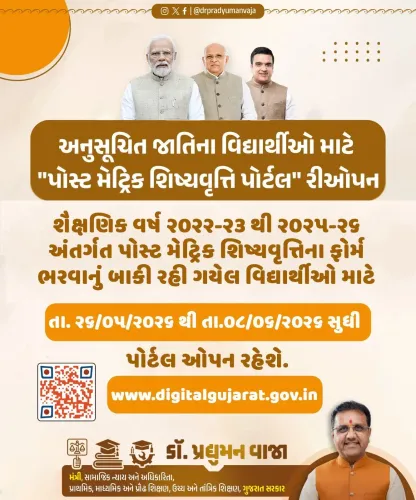
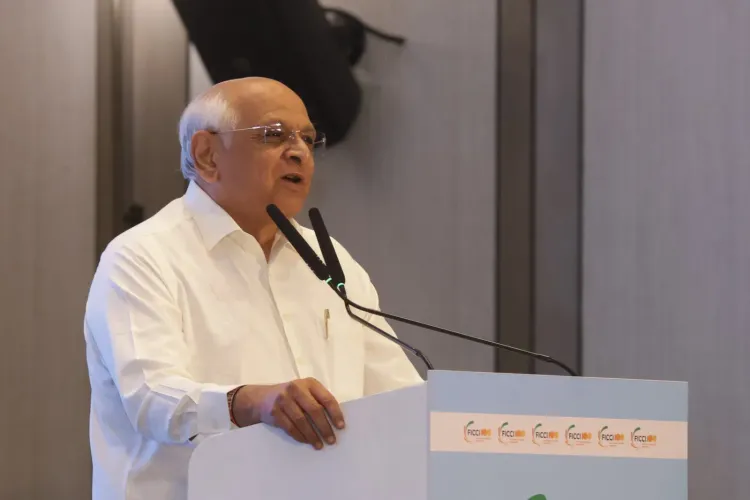
The scheme was approved under Chief Minister Bhupendra Patel and Social Justice Minister Dr Pradyuman Vaja .
All disbursements will be made via Direct Benefit Transfer (DBT) ; the process will be fully online with social audits mandated.
A 50 per cent marks threshold in qualifying examinations is required for eligibility at diploma and undergraduate levels.
The Gujarat government has approved an ₹18 crore scholarship scheme to extend Post Matric Scholarship benefits to Scheduled Caste (SC) male students from middle-income families, widening the eligibility ceiling and bringing an estimated 3,000 additional students under state-funded financial assistance for the 2026–27 academic year. The scheme addresses a coverage gap that had left lower-middle-income SC male students outside the ambit of existing central and state support.
What Changed in Eligibility
Under the earlier framework, the centrally sponsored Post Matric Scholarship scheme covered SC students from families earning up to ₹2.5 lakh annually. The revised provision raises this annual family income ceiling to ₹6 lakh, enabling students from households earning between ₹2.5 lakh and ₹6 lakh to access state-supported educational aid for the first time under this category. A comparable scheme for SC female students was already in place; this approval brings male students in the same income bracket into parity.
Key Approval and Leadership
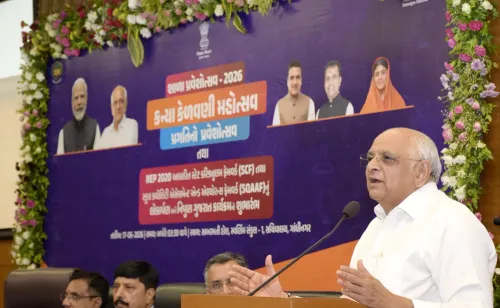
The scheme received approval under the guidance of Chief Minister Bhupendra Patel and the leadership of Social Justice and Empowerment Minister Dr Pradyuman Vaja, according to a statement from the Social Justice and Empowerment Department. Implementation will follow the guidelines of the centrally sponsored Post Matric Scholarship scheme, with oversight managed by the Director of Scheduled Caste Welfare.
Academic and Financial Conditions
The scheme provides an academic allowance along with reimbursement of approved non-refundable fees. Students enrolling in diploma courses after Class 10 or Class 12 must have secured at least 50 per cent marks in qualifying examinations. For undergraduate courses, a minimum of 50 per cent in Class 12 is mandatory. Continued eligibility at the degree or diploma level also requires maintaining at least 50 per cent marks in ongoing studies.
Transparency and Monitoring Mechanisms
All financial assistance will be disbursed directly to beneficiaries' bank accounts through the Direct Benefit Transfer (DBT) mechanism, reducing delays and improving accountability. The entire process — from application submission to approval — will be conducted online. Progress will be tracked through the DBT portal and the Chief Minister's Dashboard. Procurement of any required equipment or kits will be routed exclusively through the Government e-Marketplace (GeM). The department has also mandated periodic social audits and third-party verification, with reports to be submitted to the state government for review.
Scope and Limits
The scheme is capped at 3,000 beneficiaries and will operate within the approved ₹18 crore budget allocation for the current academic year. Notably, this is a state-funded extension layered atop the central scheme — not a replacement — meaning it fills a structural gap rather than duplicating existing support. With social audits and DBT tracking built in, the framework signals a push toward outcome-linked disbursement over paper-based compliance.
Point of View
Too financially constrained to self-fund higher education. Gujarat's state-funded bridge is a pragmatic fix, but the 3,000-beneficiary cap raises questions about scale relative to actual demand in this income bracket. The DBT and social audit provisions are the right instincts; the real test will be whether third-party verification reports are made public or remain internal compliance documents.
NationPress
22 Sept 2026
Frequently Asked Questions
What is the Gujarat Post Matric Scholarship scheme for SC male students?
It is an ₹18 crore state-funded scholarship approved by the Gujarat government for Scheduled Caste male students from families earning between ₹2.5 lakh and ₹6 lakh annually. The scheme covers up to 3,000 students in the 2026–27 academic year, providing academic allowances and reimbursement of approved non-refundable fees.
Why was the income ceiling raised from ₹2.5 lakh to ₹6 lakh?
The earlier centrally sponsored Post Matric Scholarship scheme only covered SC students from families earning up to ₹2.5 lakh. Students from families earning between ₹2.5 lakh and ₹6 lakh had no access to state or central support, creating a gap the revised scheme now addresses through state funding.
Who is eligible for the Gujarat SC male scholarship?
SC male students from families with annual income between ₹2.5 lakh and ₹6 lakh are eligible. Applicants must have scored at least 50 per cent in their qualifying examinations — Class 10 or Class 12 for diploma courses, and Class 12 for undergraduate programmes. Continued eligibility requires maintaining 50 per cent marks at the degree or diploma level.
How will the scholarship money be disbursed?
All financial assistance will be transferred directly to beneficiaries' bank accounts through the Direct Benefit Transfer (DBT) mechanism. The entire application and approval process will be conducted online, with monitoring via the DBT portal and the Chief Minister's Dashboard.
Was a similar scheme already available for SC female students?
Yes. A comparable Post Matric Scholarship scheme for SC female students was already in place in Gujarat. The newly approved scheme extends equivalent support to SC male students in the same middle-income bracket, bringing them into parity for the first time.