Karnataka CM Shivakumar Hears Bidadi Farmers' 20-Year Red Zone Plea
Synopsis
Farmers from two Bengaluru-periphery villages trapped in environmental Red Zone restrictions for 20 years met Karnataka CM D.K. Shivakumar on 11 August 2026, demanding implementation of the Bidadi Township project and final land acquisition notifications to end decades of economic paralysis caused by Vrishabhavathi river pollution.
Key Takeaways
A farmer delegation from Bairamangala and Kanchugaranahalli met CM D.K.
Shivakumar on 11 August 2026 to demand Bidadi Township implementation and final land acquisition notifications.
Farmers say Vrishabhavathi river sewage pollution has made agriculture unviable for over 20 years , contaminating crops and drinking milk.
Red Zone restrictions prevent any construction — hospitals, community halls — and block all land transactions in the affected villages.
Neighbouring village farmers can secure bank loans up to Rs 1 crore against land; Red Zone farmers cannot access even Rs 1 lakh .
The Bidadi Township project in Ramanagara district has been in planning for years; farmers see government-led acquisition as their only viable exit from the Red Zone trap.
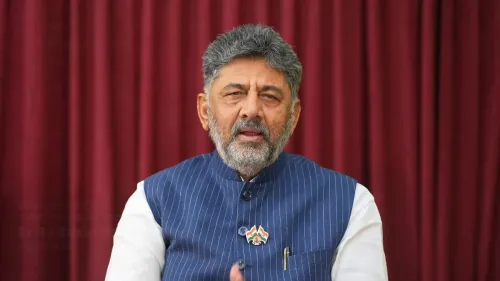
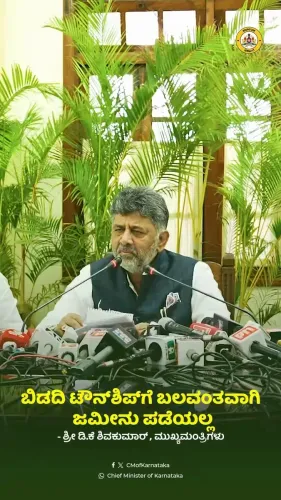
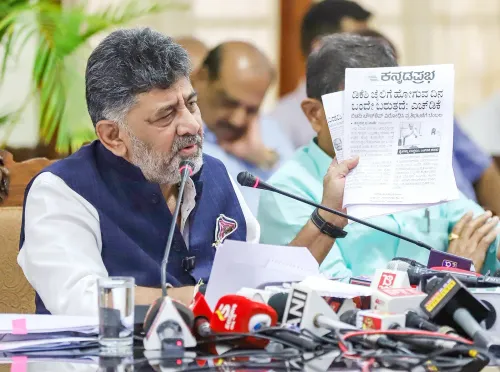
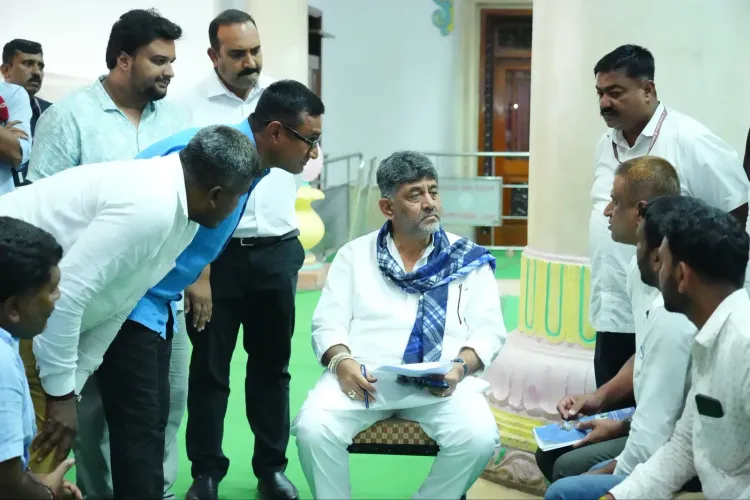
For twenty years, farmers in Bairamangala and Kanchugaranahalli near Bengaluru have watched their coconut groves turn barren and their land turn worthless — trapped in an environmental 'Red Zone' that blocks loans, construction, and even basic land transactions. On Tuesday, 11 August 2026, a delegation of farmers from these villages met Chief Minister D.K. Shivakumar at his office, demanding that the Bidadi Township project be implemented and that final land acquisition notifications be issued for their villages.
Two Decades of Sewage, Silence, and Stalled Land
The farmers' grievance is rooted in the Vrishabhavathi river, which carries Bengaluru's untreated sewage downstream into their farmland. The pollution triggered Red Zone restrictions that have frozen economic life in the villages for a generation. 'Even though coconut groves look green on the surface, there is no yield at all — even drinking milk has become contaminated,' the farmers told the Chief Minister.
The Red Zone tag does more than poison crops. It has effectively made the land financially inert. While farmers in neighbouring villages can secure bank loans of up to Rs 1 crore against their land, these farmers cannot access even Rs 1 lakh. Hospitals, community halls, and any permanent construction are barred. In emergencies — a wedding, a medical crisis — they cannot sell or mortgage their land. The land exists on paper; economically, it has ceased to function.
The Bidadi Township Demand and What Acquisition Would Mean
The farmers are not asking for subsidies or relief packages. They are asking for the government to acquire their land — to be bought out at market value and freed from the Red Zone trap entirely. The Bidadi Township project, a long-proposed satellite urban development in the Ramanagara district corridor southwest of Bengaluru, is the vehicle through which they see an exit. Final land acquisition notifications for Bairamangala and Kanchugaranahalli would formally set the process in motion.
Karnataka governments have pursued satellite township and industrial corridor projects around Bengaluru since the early 2000s, driven by the need to absorb the city's explosive growth. Bidadi has figured in multiple planning cycles without reaching full implementation. For the farmers in the Red Zone, each delay is not an administrative footnote — it is another year without a loan, another year of unsellable land.
A Pattern Bengaluru's Periphery Knows Too Well
The Bairamangala and Kanchugaranahalli situation is not an outlier. Across Bengaluru's peri-urban ring, villages caught between the city's pollution footprint and its expanding land appetite have faced the same double bind: too contaminated to farm productively, too restricted to develop, and too peripheral to attract urgent political attention. The farmers' delegation reaching the Chief Minister's office is itself a measure of how far ordinary channels have failed them.
The delegation's appeal was direct: 'Give us freedom from all these problems.' Whether that freedom arrives through a government order on final acquisition notifications — or gets deferred into another planning cycle — will define the next chapter for these villages.
Point of View
Imposes a Red Zone to contain it, and then leaves peri-urban farmers in a regulatory limbo that destroys land value without compensating owners. CM Shivakumar receiving the delegation signals political acknowledgement, but Karnataka's satellite township projects have a long history of planning without execution. The real test is whether this meeting produces a government order or becomes another entry in a two-decade queue of unresolved grievances.
NationPress
11 Aug 2026
Frequently Asked Questions
What is the Bidadi Township project in Karnataka?
The Bidadi Township project is a proposed satellite urban development in the Ramanagara district corridor southwest of Bengaluru, planned to absorb city growth. Farmers in nearby Red Zone villages are demanding its implementation so their land can be acquired at fair value, freeing them from long-standing development restrictions.
What is the Red Zone and how does it affect Karnataka farmers?
A Red Zone is an environmental restriction area, typically imposed due to pollution. In Bairamangala and Kanchugaranahalli, the Red Zone triggered by Vrishabhavathi river sewage contamination has blocked bank loans, construction of hospitals and halls, and land sales for over 20 years, leaving farmers economically paralysed.
Why can't Red Zone farmers get bank loans in Karnataka?
Red Zone restrictions render land ineligible as collateral. Farmers in Bairamangala and Kanchugaranahalli say neighbouring village landowners can get loans up to Rs 1 crore, while they cannot access even Rs 1 lakh because their land is under environmental restriction.
What did the farmers demand from CM Shivakumar on 11 August 2026?
The farmer delegation demanded that the Bidadi Township project be implemented and that the government issue final land acquisition notifications for Bairamangala and Kanchugaranahalli villages, which would formally begin the process of acquiring their restricted land at market value.
How has Vrishabhavathi river pollution affected farming near Bengaluru?
The Vrishabhavathi river carries untreated sewage from Bengaluru into downstream farmland. Farmers say coconut groves appear green but yield nothing, drinking milk has become contaminated, and agricultural activity has become nearly impossible in affected villages for two decades.