Kerala taps tribal wisdom to fight human-wildlife conflict in Thekkady
Synopsis
Kerala is doing something rarely attempted in Indian forest governance — treating tribal communities not as beneficiaries but as experts. With a ₹50 crore eco-tourism proposal, the first-ever tribal seats on the state Wildlife Board, and a formal drive to document vanishing traditional knowledge, the Oorunarvu programme is a bet that the best conservation intelligence is already living in the forest.
Key Takeaways
Forest Minister Shibu Baby John announced plans to document and use tribal ecological knowledge to address human-wildlife conflict at Thekkady on 11 August .
Kerala will submit a ₹50 crore proposal to the Centre for eco-tourism in Kumily , including ₹20 crore for the stalled Tiger Museum .
For the first time, tribal members — Raman Raja Mannan and Vinod of the Cholanaickan community — have been inducted into the state Wildlife Board .
Eco-Development Committees at Thekkady have already provided temporary work to 200 people and permanent jobs to 43 .
1,266 people from 357 families live in Mannan settlements; 450 from 164 families in Paliyan settlements — both communities central to the programme.
The Mannan community was relocated from the interior Periyar Tiger Reserve during the 1930s and 1940s .
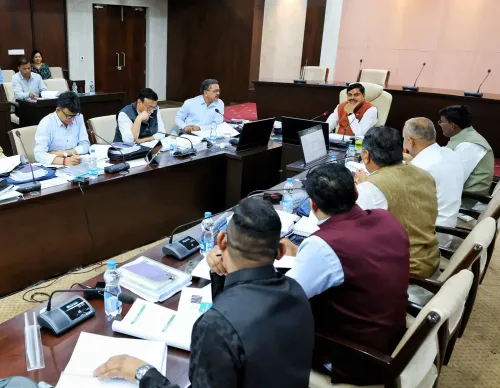
Kerala's Forest and Wildlife Minister Shibu Baby John on 11 August announced that the state will formally document and integrate the traditional ecological knowledge of tribal communities into its forest conservation and eco-tourism programmes, marking a significant policy shift in how the state approaches human-wildlife conflict in areas such as Thekkady.
What the Initiative Covers
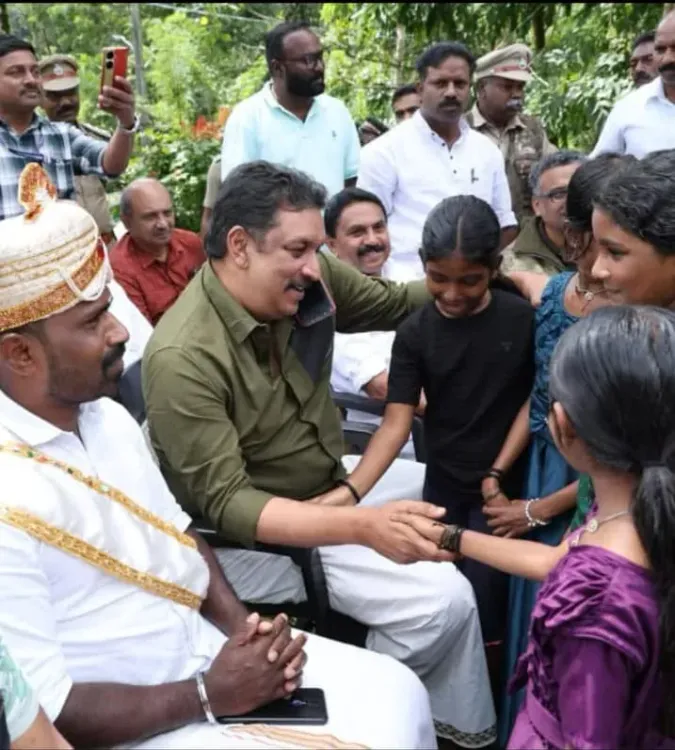
Speaking during the Forest Department's 'Oorunarvu' outreach programme at Mannan and Paliyan settlements in Thekkady, Minister John said tribal communities — who have coexisted with forests for generations — hold irreplaceable knowledge that the state has so far failed to harness. 'No one knows the forest better than tribal communities. Their knowledge will be utilised to mitigate human-wildlife conflict and for forest conservation,' he said.
The state government will submit a ₹50 crore proposal to the Centre for eco-tourism development in Kumily, including ₹20 crore earmarked for the restoration of the long-stalled Tiger Museum. Projects under the plan are to be structured so that tribal communities receive a larger share of tourism revenues.
Tribal Representation on Wildlife Board
In what the minister described as a historic first, tribal community members have been inducted into the state Wildlife Board, chaired by the Chief Minister. Raman Raja Mannan of the Mannan community and Vinod of the Cholanaickan community in Nilambur now sit on the board — giving forest-dwelling communities a direct voice in conservation policy for the first time.
Employment and Livelihood Provisions
Tribal youth are to be prioritised for employment in forest-related activities and eco-tourism projects. The Eco-Development Committees (EDCs) at Thekkady already offer a working model: around 200 people have received temporary employment and 43 have secured permanent positions as watchers through various EDCs. Community representatives told officials that human-wildlife conflict had reduced in areas where EDCs were active and that exploitation by middlemen had largely ended.
The government is also considering providing fibre boats to fishing EDCs where a shortage of bamboo has made traditional raft-making difficult.
Infrastructure and Welfare Commitments
Government officials are to visit individual tribal settlements to identify specific problems. Drinking water shortages, damaged roads, and inadequate street lighting in several settlements are among the issues flagged for resolution. Minister John was direct about the framing: 'Their demands are not charity; they are their rights.'
Who the Communities Are
The scale of the population involved underlines the policy's reach. As many as 1,266 people from 357 families live in Mannan settlements, while 450 people from 164 families reside in Paliyan settlements. The Mannan community was relocated from the interior zones of the Periyar Tiger Reserve during the 1930s and 1940s. The Paliyan community, which carries strong Tamil cultural traditions, has historically depended on honey collection, fishing, and pepper cultivation.
Much of this traditional knowledge is reportedly disappearing, and the minister acknowledged the urgency of systematic documentation before it is lost entirely. The state now hopes to convert that intimate forest literacy into both a conservation tool and a sustainable livelihood source — placing tribal communities at the centre of Kerala's forest policy rather than at its margins.
Point of View
Which is not guaranteed, and the Tiger Museum has been stalled long enough to warrant scepticism about timelines. If the tribal board seats come with genuine voting weight and the employment pipeline scales beyond the 43 permanent jobs already created, this could become a replicable model. If not, it risks being another well-intentioned outreach exercise that leaves the underlying power asymmetry intact.
NationPress
26 Sept 2026
Frequently Asked Questions
What is Kerala's Oorunarvu programme?
Oorunarvu is a Forest Department outreach initiative in Kerala under which government officials visit tribal settlements to understand community needs and integrate tribal knowledge into forest conservation and eco-tourism planning. It was the setting for Minister Shibu Baby John's announcements at Thekkady on 11 August.
How will tribal knowledge help reduce human-wildlife conflict in Kerala?
Tribal communities in areas like Thekkady have coexisted with forests for generations and hold detailed knowledge of animal behaviour, forest corridors, and seasonal patterns. The Kerala government plans to document this knowledge systematically and incorporate it into conflict-mitigation strategies, building on the Eco-Development Committee model where conflict reportedly reduced in active areas.
What is the ₹50 crore proposal for Kumily?
The Kerala government will submit a ₹50 crore proposal to the Centre for eco-tourism development in Kumily, of which ₹20 crore is earmarked for restoring the stalled Tiger Museum. The projects are designed to ensure tribal communities receive a larger share of tourism revenues.
Who are the tribal representatives now on the Kerala Wildlife Board?
Raman Raja Mannan of the Mannan community and Vinod of the Cholanaickan community in Nilambur have been inducted into the state Wildlife Board chaired by the Chief Minister — the first time tribal members have held seats on the board.
Who are the Mannan and Paliyan communities?
The Mannan community, numbering 1,266 people from 357 families, was relocated from the interior of the Periyar Tiger Reserve during the 1930s and 1940s. The Paliyan community — 450 people from 164 families — carries strong Tamil cultural traditions and has historically depended on honey collection, fishing, and pepper cultivation.