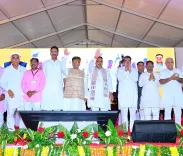
Karnataka CM Unveils Rs 1.5 Lakh Crore Bengaluru Infrastructure Push
Synopsis
The Karnataka CMO announced Rs 1,50,000 crore in infrastructure investments for Bengaluru, including Metro expansion to 220 km, a Rs 5,000 crore road upgrade, and the 117 km Bengaluru Business Corridor ring road at Rs 26,000 crore, reviving a project stalled for two decades.
Key Takeaways
Karnataka has announced infrastructure projects worth Rs 1,50,000 crore for Bengaluru.
Namma Metro will expand to 220 km after Phase 3 completion, becoming India's second-largest metro network.
Road upgrades worth Rs 5,000 crore are already underway on key city arteries.
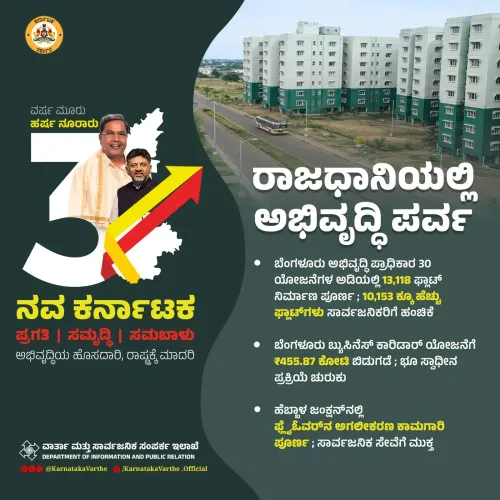
The long-stalled Peripheral Ring Road has been revived as the Bengaluru Business Corridor (BBC) — a 117 km, Rs 26,000 crore project split into BBC-1 (68 km, 12 lanes) and BBC-2 (44 km).
BBC-2 will link Electronic City to Tumakuru Road near Nelamangala via Mysuru Road; its notification has been issued.
Farmers ceding land for the BBC will receive a compensation package the state describes as a national model .
Bengaluru — India's technology capital and the engine of Karnataka's economy — is about to get its most ambitious infrastructure overhaul in decades. The Chief Minister's Office of Karnataka announced on Saturday, August 15, 2026 a sweeping package of infrastructure projects worth Rs 1,50,000 crore aimed at transforming the city's roads, metro network, and ring-road connectivity.
Namma Metro's march to 220 km — and second place nationally
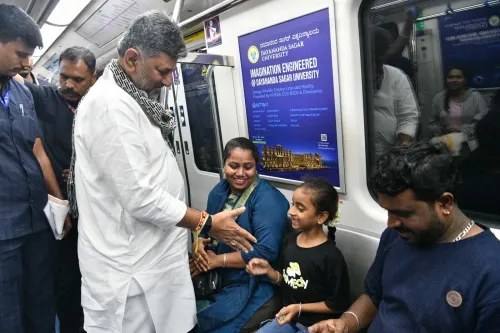
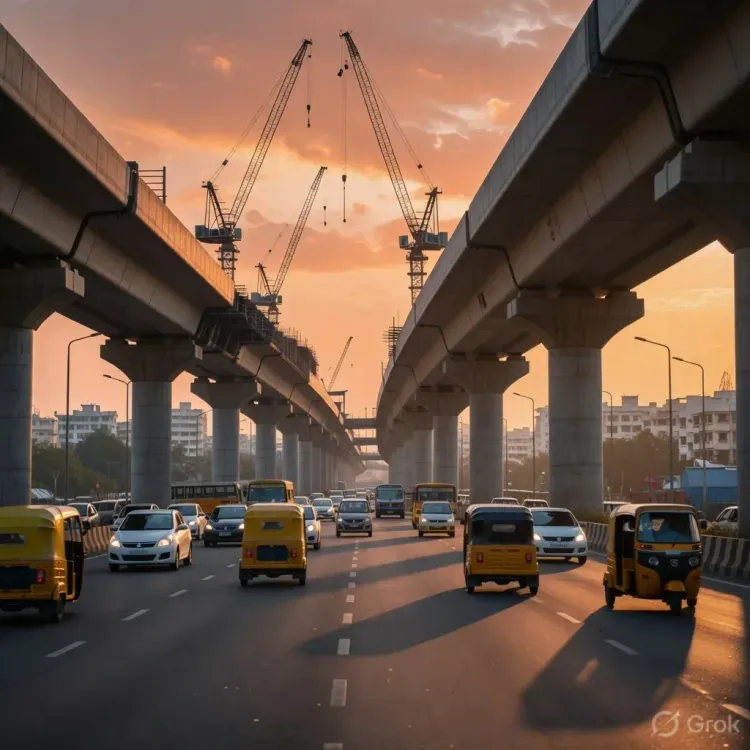
The centrepiece of the announcement is the expansion of Namma Metro. Once Phase 3 is complete, Bengaluru's metro network will stretch to 220 kilometres, making it the second-largest metro system in India. The city has built its metro incrementally since Phase 1 was commissioned in the 2010s, with each phase pushing further into the suburbs and technology corridors. Hitting 220 km would place Bengaluru ahead of every other Indian city except one — a milestone the CMO described as a matter of civic pride.
Rs 5,000 crore for city roads — and a two-decade stalemate finally broken
Parallel to the metro push, work has begun on upgrading Bengaluru's key arterial roads at a cost of Rs 5,000 crore. But the more consequential move is the revival of a project that has been gathering dust since the early 2000s: the long-stalled Peripheral Ring Road. Rebranded as the Bengaluru Business Corridor (BBC), the project will now be executed as a 117-kilometre ring road at an estimated cost of Rs 26,000 crore.
The corridor is split into two segments. BBC-1 will be a 68-km, 12-lane ring road. BBC-2 — for which a notification has already been issued — will run 44 km, connecting Electronic City via the Mysuru Road to Tumakuru Road near Nelamangala. Together, the two arms are designed to redistribute traffic load away from the city's choked inner ring and funnel freight and commuters along dedicated high-capacity corridors.
A compensation model for farmers that the state calls a national template
Land acquisition has historically been the graveyard of ring-road ambitions in Bengaluru — the original Peripheral Ring Road proposal collapsed partly because of farmer opposition and inadequate compensation. This time, the government says it is offering a relief package for farmers who surrender land for the BBC that is designed to be a model for the entire country. The specifics of the package were not detailed in the announcement, but the framing signals that the state is acutely aware that the project's fate hinges on how it handles the people on the land.
The broader pattern is familiar: state governments across India have leaned heavily on metro and ring-road projects to manage the growing pains of services-led urban economies. Hyderabad and Chennai have both built outer ring corridors that reshaped their commercial geographies. Bengaluru, with its outsized share of India's IT exports, is making a late but large bet on the same playbook.
The real test now is execution — tendering timelines, land acquisition progress on BBC-2, and whether Metro Phase 3 funding flows on schedule. Bengaluru has seen ambitious plans before. What changes this time is the price tag, and the political will being staked on it.
Point of View
And pre-empting that friction publicly is as much about managing political risk as it is about project delivery. Whether the BBC becomes a genuine infrastructure win or another stalled corridor will depend on tendering and acquisition milestones over the next 12-18 months.
NationPress
15 Aug 2026
Frequently Asked Questions
What is the Bengaluru Business Corridor?
The Bengaluru Business Corridor (BBC) is a rebranded version of the long-stalled Peripheral Ring Road project. It is a 117 km ring road planned at a cost of Rs 26,000 crore, split into two segments: BBC-1 (68 km, 12 lanes) and BBC-2 (44 km connecting Electronic City to Tumakuru Road via Mysuru Road and Nelamangala).
How long will Bengaluru Metro be after Phase 3?
After Phase 3 is complete, Namma Metro will extend to 220 kilometres, making it the second-largest metro network in India.
How much is Karnataka spending on Bengaluru infrastructure?
The Karnataka government has announced a total infrastructure investment of Rs 1,50,000 crore for Bengaluru, covering metro expansion, road upgrades, and the Bengaluru Business Corridor ring road.
What is BBC-2 and which areas does it connect?
BBC-2 is a 44 km road corridor for which a government notification has been issued. It will connect Electronic City to Tumakuru Road near Nelamangala, passing through the Mysuru Road route.
What compensation will farmers get for the Bengaluru Business Corridor land?
The Karnataka government has stated it is offering a compensation package to farmers who give up land for the BBC that it describes as a model for the entire country, though the specific terms were not detailed in the announcement.