Ranveer Singh Apologizes: Karnataka HC Accepts Temple Visit Pledge
Synopsis
The Karnataka High Court accepted Bollywood actor Ranveer Singh's unconditional apology for mimicking a sacred deity at IFFI 2024, directing him to visit Chamundeshwari Temple in Mysuru within four weeks. Justice M. Nagaprasanna, who had earlier called the actor 'reckless and insensitive,' will issue a formal closure order soon — marking a landmark moment in celebrity accountability and religious sentiments in India.
Key Takeaways
The Karnataka High Court , led by Justice M.
Nagaprasanna , accepted Ranveer Singh's unconditional apology on April 25, 2025 , in the Kantara mimicry row.
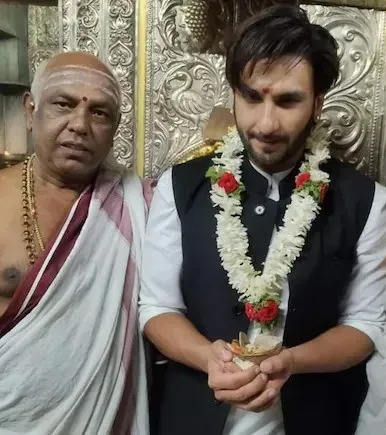
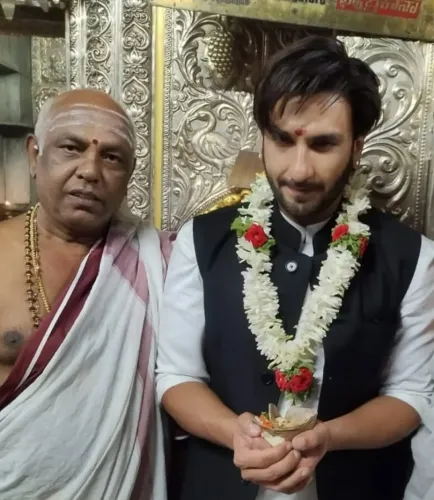
Ranveer Singh has committed to visiting the Chamundeshwari Temple on Chamundi Hill, Mysuru to personally apologise before the goddess, with a likely four-week deadline .
The controversy originated at the 55th IFFI in Goa on November 28, 2024 , where the actor allegedly mocked the sacred Panjurli/Guliga Daiva deity.
An FIR was registered against the actor under Sections 196, 299, and 302 of the Bharatiya Nyaya Sanhita following a complaint by advocate Prashant Methal .
Justice Nagaprasanna had earlier rebuked Ranveer Singh for being "reckless and insensitive," stating freedom of expression does not excuse disrespect toward matters of faith.
Complainant Prashant Methal confirmed the settlement, invoking forgiveness as a universal principle and stating no further punishment is required.
Bengaluru, April 25: The Karnataka High Court on Saturday, April 25, accepted an unconditional apology and undertaking from Bollywood actor Ranveer Singh to personally visit the Chamundeshwari Temple in Mysuru and seek forgiveness for mimicking a sacred deity during a public event — bringing a formal resolution to the high-profile Kantara mimicry controversy that had sparked widespread outrage across India.
Court Accepts Unconditional Apology, Formal Order Awaited
A bench headed by Justice M. Nagaprasanna accepted Ranveer Singh's revised affidavit, which contained an unconditional apology for his mimicry of the Panjurli/Guliga Daiva — revered divine spirits in Coastal Karnataka — during the 55th International Film Festival of India (IFFI) held in Goa on November 28, 2024.
The court indicated it would pass a formal order after officially recording the actor's apology on the judicial record. The bench further signalled it may direct Ranveer Singh to complete the temple visit within four weeks.
Senior Counsel Sajjan Poovayya, representing the actor, told the court that his client had filed a revised affidavit with an unconditional apology and had committed to visiting Chamundi Hill in Mysuru to personally apologise before the goddess.
Complainant Confirms Settlement, Raises Timeline Concerns
Speaking to media outside the Bengaluru Police Commissioner's office, complainant and advocate Prashant Methal confirmed that the case had been settled. He said arguments were heard on the affidavit submitted to the court, which stated the actor would visit Chamundi Hill "in due course."
Methal noted that he raised objections over the vague phrase "due course," questioning whether it meant 15 days, 30 days, one year, or even 10 years. The actor's legal team cited security concerns as the reason for not committing to a specific date, reportedly referencing the heightened security requirements following the success of the Durandhar film franchise.
Methal expressed confidence in the Karnataka Police, stating they were fully capable of providing foolproof security during the actor's visit. He said the bench agreed with this position.
The complainant concluded by invoking the principle of forgiveness, saying, "Forgiveness is a fundamental principle of all religions. Since he has tendered an apology, no further punishment is necessary." He added that it would not be appropriate to prolong the matter further.
The Controversy: What Happened at IFFI 2024
The row originated on November 28, 2024, at the 55th International Film Festival of India (IFFI) in Goa, where Ranveer Singh reportedly referred to the sacred Chamundi deity as a "female ghost" and mimicked a scene from the blockbuster film Kantara Chapter-1.
Advocate Prashant Methal filed a formal complaint alleging that the mimicry of the Panjurli/Guliga Daiva — spirits deeply venerated in Coastal Karnataka's Tulu Nadu tradition — was crude, derogatory, and blasphemous. The complaint led to the registration of a First Information Report (FIR) against the actor.
The FIR was registered under Sections 196 (promoting enmity between groups), 299 (outraging religious feelings), and 302 (intentional insult) of the Bharatiya Nyaya Sanhita (BNS).
Court's Strong Rebuke and Broader Implications
Justice M. Nagaprasanna had earlier pulled up Ranveer Singh for being "reckless and insensitive," emphasising that public figures carry a heightened responsibility in their public conduct. The court noted that "freedom of expression does not excuse casual or uninformed remarks about matters of faith."
This case is significant beyond the individual controversy — it sets a precedent for how courts in India treat celebrity conduct involving religious sensitivities. In an era where social media amplifies every public statement, the ruling reinforces that Bollywood celebrities are not immune from accountability when their actions are perceived as disrespectful to religious communities.
The Kantara franchise, directed by Rishab Shetty, brought global attention to the Bhoota Kola tradition of Coastal Karnataka. The mimicry row highlighted a sharp tension — the same cultural celebration that made Kantara a global phenomenon was allegedly trivialised by a prominent actor at a national platform.
What Happens Next
The Karnataka High Court is expected to issue a formal judicial order in the coming days, officially directing Ranveer Singh to visit the Chamundeshwari Temple on Chamundi Hill, Mysuru within a stipulated timeframe — likely four weeks from the date of the order.
Once the actor completes the temple visit and tenders his apology before the deity, the court is expected to formally close the case. All eyes will be on whether Ranveer Singh fulfils this commitment promptly, given the public and religious significance of the gesture.
Point of View
And Justice Nagaprasanna's sharp rebuke signals that public figures cannot hide behind fame or security concerns when accountability is due. What's telling is that it took a High Court intervention — not a spontaneous act of remorse — to bring this apology about, raising legitimate questions about whether celebrity culture in India fosters genuine cultural sensitivity or merely performative contrition under legal pressure. The Kantara franchise paradox is stark: the same tradition that made Rishab Shetty's film a global phenomenon was casually trivialised on a national stage by a Bollywood star — and that contradiction deserves far more scrutiny than it has received.
NationPress
7 Oct 2026
Frequently Asked Questions
What is the Ranveer Singh Kantara mimicry row about?
The controversy began on November 28, 2024, at the 55th IFFI in Goa, where Ranveer Singh allegedly referred to the sacred Chamundi deity as a 'female ghost' and mimicked a scene from Kantara Chapter-1. Advocate Prashant Methal filed a complaint calling it derogatory and blasphemous, leading to an FIR under the Bharatiya Nyaya Sanhita.
What did the Karnataka High Court decide in the Ranveer Singh case?
The Karnataka High Court, led by Justice M. Nagaprasanna, accepted Ranveer Singh's unconditional apology and his undertaking to visit the Chamundeshwari Temple in Mysuru. The court is expected to issue a formal order directing him to complete the visit within four weeks.
Will Ranveer Singh visit Chamundeshwari Temple in Mysuru?
Yes, Ranveer Singh has committed through a revised affidavit to visit Chamundi Hill in Mysuru and personally apologise before the goddess. His legal team cited security concerns for not providing a specific date, but the court may set a four-week deadline in its formal order.
What charges were filed against Ranveer Singh in the mimicry case?
An FIR was registered against Ranveer Singh under Sections 196 (promoting enmity between groups), 299 (outraging religious feelings), and 302 (intentional insult) of the Bharatiya Nyaya Sanhita. The case was heard by the Karnataka High Court.
What did Justice M. Nagaprasanna say about Ranveer Singh's conduct?
Justice M. Nagaprasanna called Ranveer Singh 'reckless and insensitive' and stated that freedom of expression does not excuse casual or uninformed remarks about matters of faith. The judge emphasised that public figures bear a heightened responsibility in their public conduct.