Karnataka CM Orders Ironclad Safeguards for 70,000-Post Recruitment Drive
Synopsis
Karnataka Deputy CM D.K. Shivakumar has ordered video recording of all exam stages, a mobile phone ban for invigilators, police surveillance of coaching centres, and direct accountability for district officers for the upcoming KPSC and KEA exams covering over 70,000 posts and 35 lakh candidates. A reform committee under S.V. Ranganath has also been constituted.
Key Takeaways
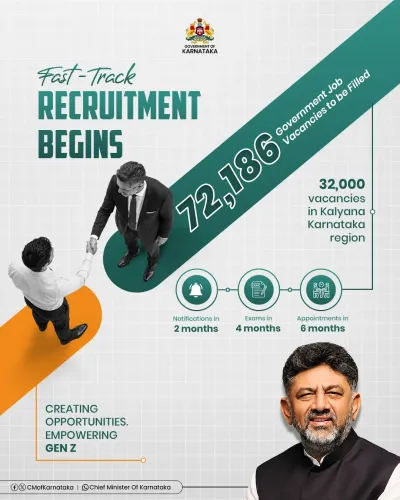
Karnataka is preparing to fill over 70,000 government posts through KPSC and KEA examinations, with 35 lakh candidates expected.
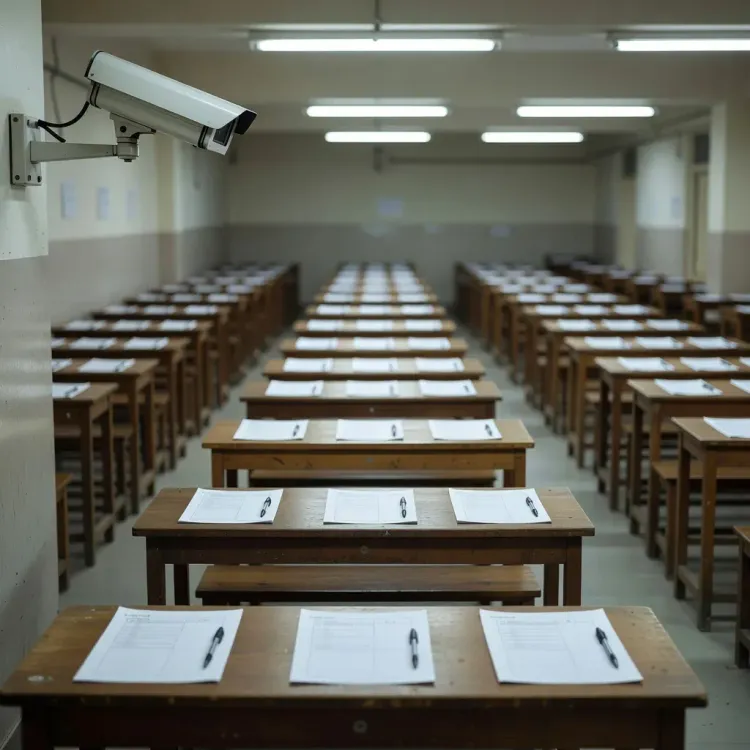
Every stage of the exams will be video-recorded ; all exam-duty staff face a complete mobile phone ban .
Police have been directed to keep intensive watch on private coaching centres during the exam period.
District Collectors, Superintendents of Police, and education officers will be held personally accountable for any lapses in their jurisdictions.
A high-level reform committee chaired by former Chief Secretary S.V.
Ranganath — with T.M.
Vijayabhaskar, Vandita Sharma, and L.K.
Ateeq as members — has been constituted to recommend systemic changes.
Deputy CM Shivakumar stated Karnataka aims to become a national model for transparent, merit-based government recruitment.
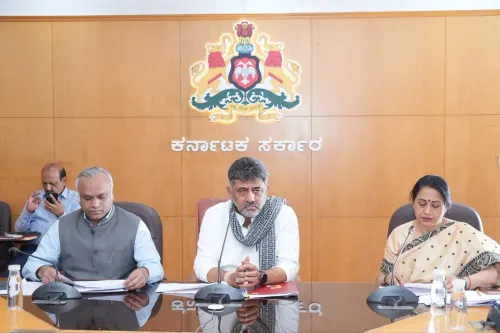
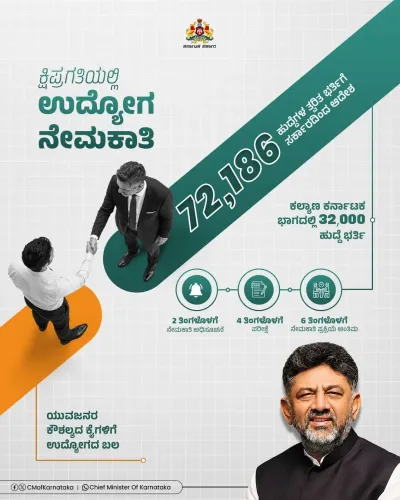
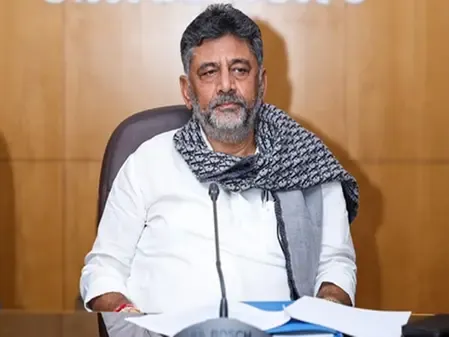
With 35 lakh candidates expected to sit for upcoming state recruitment exams, Karnataka's government is leaving nothing to chance. Deputy Chief Minister D.K. Shivakumar chaired a high-level review meeting on 31 July 2026 to lock down preparations for filling over 70,000 government posts — and the directives that emerged signal a zero-tolerance posture on irregularities.
Video cameras, mobile bans, and district officers on the line
The meeting, attended by Home Minister Priyank Kharge, Chief Secretary Dr. Shalini Rajneesh, and senior officials, produced a set of binding instructions. Every stage of the examination process will be video-recorded. Invigilators and all exam-duty staff face a complete ban on mobile phones. Police have been directed to mount intensive surveillance on private coaching centres — long identified as vectors for paper leaks across Indian states.
The accountability chain runs straight to the top of each district. If anything goes wrong, the District Collector, Superintendent of Police, and the district education officer will be held personally responsible. That is a pointed departure from diffuse bureaucratic accountability — and a clear signal to field administration that there is no cover to hide behind.
S.V. Ranganath committee to overhaul competitive exam architecture
Beyond the immediate exams — conducted by the Karnataka Public Service Commission (KPSC) and the Karnataka Examinations Authority (KEA) — the government is setting its sights on structural reform. A high-level committee under former Chief Secretary S.V. Ranganath has been constituted, with T.M. Vijayabhaskar, Vandita Sharma, and L.K. Ateeq as members, to recommend comprehensive changes to the competitive examination system.
Shivakumar framed the ambition in unambiguous terms: Karnataka must become a model for the entire country in transparent, merit-based recruitment. 'Every eligible candidate must have complete trust in our system,' he said, 'and preserving that trust is our priority.'
Why this moment matters beyond Karnataka
The scale is striking — 35 lakh aspirants for a single recruitment cycle — but the political backdrop is equally significant. Karnataka, like several other states, has faced public anger over exam irregularities in recent years. The nationwide wave of paper-leak controversies has made credible recruitment a live electoral issue, not just an administrative one. Video recording, mobile bans, and third-party oversight have become the new baseline that aspirants demand before they even open a hall ticket.
The Ranganath committee's recommendations will be the real test. Directives issued in a review meeting can harden into durable reform — or dissolve into the next news cycle. Karnataka's 35 lakh exam-goers will be watching closely to see which it is.
Point of View
Mobile bans, named district officers on the hook — that is as much about political optics as operational rigour, given that exam irregularities have become a potent opposition weapon nationally. Constituting the Ranganath committee signals an intent to institutionalise reform beyond the election cycle, but the credibility test will come when the committee's recommendations are published and acted upon. The direct accountability clause for District Collectors and SPs is the sharpest instrument here: it shifts risk downward in the bureaucracy in a way that generic circulars rarely do. If Karnataka executes cleanly across 35 lakh candidates, it hands the Congress a rare, tangible governance win on youth employment — one of the most sensitive pressure points in Indian politics today.
NationPress
15 Sept 2026
Frequently Asked Questions
How many government jobs is Karnataka recruiting for in 2026?
Karnataka is conducting recruitment examinations for over 70,000 government posts through the KPSC and KEA, with approximately 35 lakh candidates expected to appear.
What anti-cheating measures has Karnataka announced for the KPSC and KEA exams?
The state has mandated video recording of every exam stage , a complete mobile phone ban for all invigilators and exam-duty staff, and directed police to conduct intensive surveillance of private coaching centres.
Who is accountable if Karnataka recruitment exams face irregularities?
The District Collector, Superintendent of Police, and district education officer of the concerned district will be held directly and personally responsible for any lapses.
What is the S.V. Ranganath committee and what will it do?
A high-level committee chaired by former Karnataka Chief Secretary S.V. Ranganath , with T.M. Vijayabhaskar, Vandita Sharma, and L.K. Ateeq as members, has been constituted to recommend comprehensive reforms to Karnataka's competitive examination system.
Who chaired the Karnataka recruitment exam review meeting in July 2026?
Deputy Chief Minister D.K. Shivakumar chaired the high-level meeting on 31 July 2026 , attended by Home Minister Priyank Kharge and Chief Secretary Dr. Shalini Rajneesh.