Karnataka agrees to release 3 TMC Krishna water to Telangana for crops
Synopsis
Weeks of farmer protests and diplomatic pressure paid off as Karnataka agreed to release three TMC of Krishna River water to Telangana's Jurala project, shielding crops across 5.5 lakh acres in erstwhile Mahabubnagar. The deal — brokered in Bengaluru between ministerial delegations — is a rare inter-state water-sharing win, though it falls short of the 30-day continuous supply farmers originally demanded.
Key Takeaways
Karnataka agreed on 23 September 2026 to release 3 TMC of Krishna River water in phases from Narayanpur dam to Telangana's Jurala project .
The release is aimed at protecting standing crops across 5.5 lakh acres in the erstwhile Mahabubnagar district .
Telangana had originally requested 5,000 cusecs per day for 30 days to cover four projects: Jurala, Bhima, Nettempadu, and Koilsagar.
Irrigation officials lifted Jurala's gates on Wednesday morning following ministerial direction from Vakati Srihari .
The shortage was attributed to El Niño -driven deficient rainfall and 3 TMCft of silt accumulation in the reservoir.
BRS and BJP had staged protests in Jogulamba Gadwal district in solidarity with agitating farmers.
The government of Karnataka on Wednesday, 23 September 2026, agreed to release three TMC of Krishna River water in phases from the Narayanpur dam into the Jurala project in Telangana, in a move aimed at protecting standing crops across the erstwhile Mahabubnagar district. The decision follows days of farmer protests and diplomatic outreach between the two states.
How the Agreement Was Reached
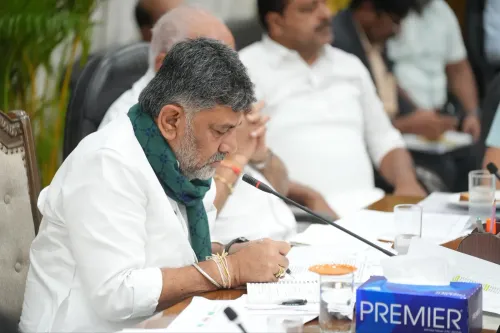
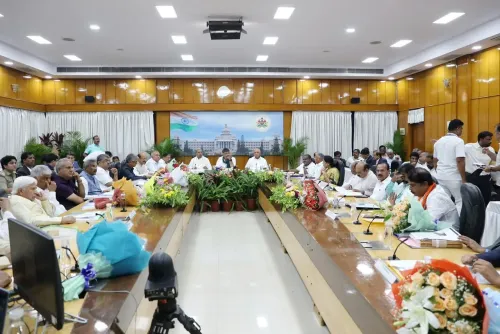
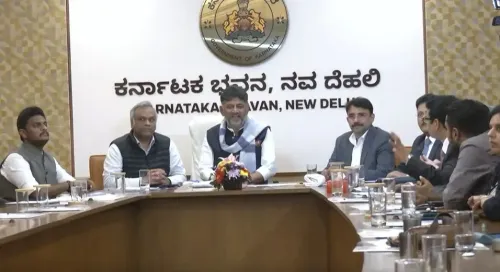
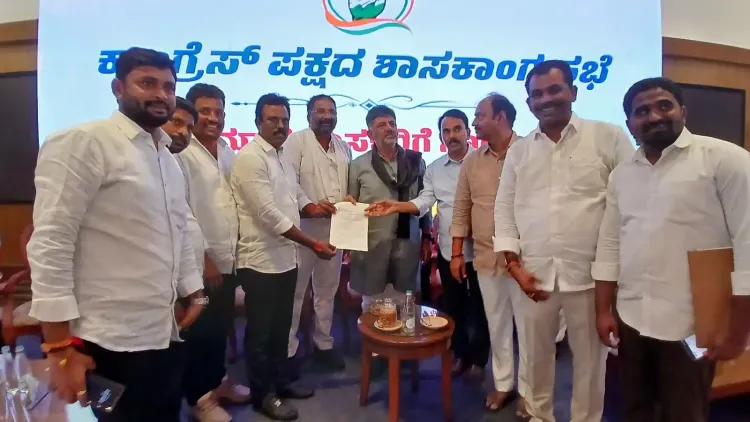
A delegation of Telangana ministers — Jupalli Krishna Rao and Vakati Srihari — along with public representatives from the erstwhile Mahabubnagar district, travelled to Bengaluru to meet Karnataka Chief Minister D. K. Siddaramaiah. The ministers and irrigation officials detailed the acute water distress facing farmers under the Jurala project and formally requested a release. Karnataka Chief Minister D. K. Shivkumar gave his assurance during the meeting on Tuesday, which was formalised on Wednesday.
What Was Requested and What Was Agreed
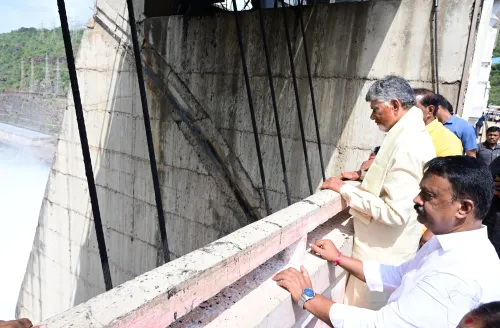
The Telangana delegation had originally sought 5,000 cusecs of water per day continuously for 30 days, which would have protected standing crops across roughly 5.5 lakh acres under the Jurala, Bhima, Nettempadu, and Koilsagar projects. Karnataka agreed to release three TMC of water in phases. Following the assurance, minister Vakati Srihari directed irrigation officials on Wednesday morning to lift the gates at Jurala and release water into the canals, which was carried out.
Political Backdrop and Farmer Protests
Farmers in the erstwhile Mahabubnagar district had been agitating for several days, demanding water to save their crops. Opposition parties — the Bharat Rashtra Samithi (BRS) and the Bharatiya Janata Party (BJP) — organised protests near the project in Jogulamba Gadwal district in solidarity with the farmers. Authorities had earlier defended their decision to withhold releases, citing critically low water levels due to insufficient upstream inflows.
Why the Crisis Arose
Minister Jupalli Krishna Rao attributed the shortage to the impact of El Niño, which has disrupted monsoon patterns and caused deficient rainfall across the region. He noted that approximately 3 TMCft of silt had accumulated in Jurala, while another 2 TMCft was being held in reserve to meet drinking water requirements. Officials had been advising farmers to shift to drought-resistant dry crops as a coping measure — advice that went largely unheeded given crop cycles already underway.
Inter-State Goodwill and What Comes Next
Telangana Chief Minister A. Revanth Reddy publicly thanked his Karnataka counterpart for honouring the request. 'This is a great example of bonhomie between two different states and showcases the love and brotherhood of people of India,' Revanth Reddy said in a post on X. The phased release will now be monitored by irrigation officials of both states to ensure equitable distribution across the affected command areas. Whether the three TMC released will be sufficient to fully protect the 5.5 lakh acres of standing crops — against the original ask of a 30-day continuous supply — remains to be seen.
Point of View
But it papers over a structural problem: both states are drawing from a river system under growing El Niño-driven stress, and the compromise of three TMC against a requested 30-day supply signals there was little to spare. The fact that Karnataka had to be lobbied through a ministerial visit — rather than through a standing inter-state protocol — exposes the fragility of Krishna water-sharing arrangements when monsoon fails. Farmer distress in Mahabubnagar is unlikely to end with this release alone; if the phased volumes prove inadequate, the political pressure on both governments will quickly resurface.
NationPress
23 Sept 2026
Frequently Asked Questions
Why did Karnataka agree to release Krishna River water to Telangana?
Karnataka agreed to release three TMC of Krishna River water to protect standing crops across 5.5 lakh acres in Telangana's erstwhile Mahabubnagar district, following a formal request by a Telangana ministerial delegation that met Karnataka CM D. K. Shivkumar in Bengaluru. Farmers in the region had been protesting for days over water scarcity.
How much water has Karnataka agreed to release to the Jurala project?
Karnataka agreed to release three TMC of water in phases from Narayanpur dam across the Krishna River into Telangana's Jurala project. Telangana had originally requested 5,000 cusecs per day for 30 continuous days, which would have amounted to a larger volume.
Which crops and areas are at risk in Telangana?
Standing crops across approximately 5.5 lakh acres under the Jurala, Bhima, Nettempadu, and Koilsagar irrigation projects in the erstwhile Mahabubnagar district are at risk. Deficient rainfall linked to El Niño and low reservoir inflows had left farmers without adequate irrigation water.
What caused the water shortage at the Jurala project?
The shortage was caused by deficient rainfall attributed to the impact of El Niño, which reduced upstream inflows into the Krishna River system. Additionally, around 3 TMCft of silt had accumulated in Jurala, and 2 TMCft was being reserved for drinking water needs, leaving little for irrigation.
How did Telangana CM Revanth Reddy respond to the Karnataka agreement?
Telangana Chief Minister A. Revanth Reddy publicly thanked Karnataka CM D. K. Shivkumar for honouring the water request. In a post on X, Revanth Reddy called it 'a great example of bonhomie between two different states' that 'showcases the love and brotherhood of people of India.'