Karnataka electoral roll revision 99.38% complete, 61% forms digitised
Synopsis
Karnataka's voter roll overhaul is nearly done on paper — but politically, it has just ignited. With 99.38% of enumeration forms distributed and over 35 lakh electors flagged for removal, the state government's simultaneous push to distribute free residence certificates door-to-door has drawn constitutional objections from the BJP, turning a routine electoral exercise into a full-blown political controversy.
Key Takeaways
99.38 per cent of Enumeration Forms distributed across Karnataka as of 20 July 2026 , covering 5,50,87,922 electors.
61.35 per cent of forms digitised; 5,66,800 electors submitted forms online.
35,29,441 electors ( 6.37 per cent ) flagged as ASDDO — Absent, Shifted, Dead, Duplicate, or Otherwise.
Shivakumar launched doorstep distribution of caste and permanent residence certificates on the same day.
Ashoka alleged the move raises constitutional, legal, and national security concerns.
The house-to-house enumeration exercise runs until 8 August 2026 .
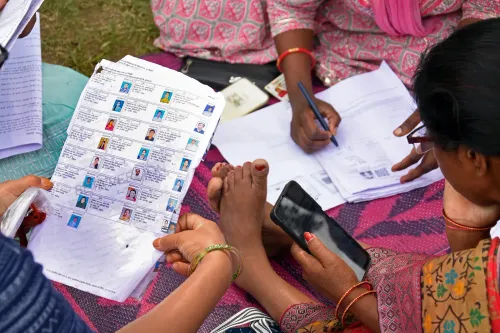
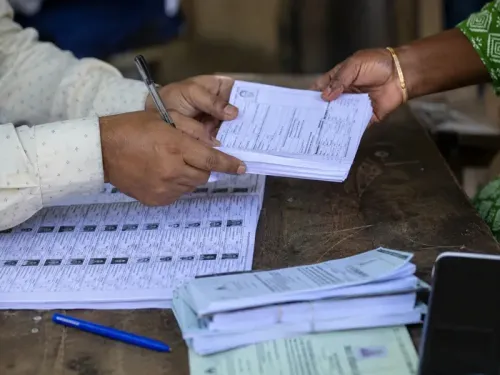
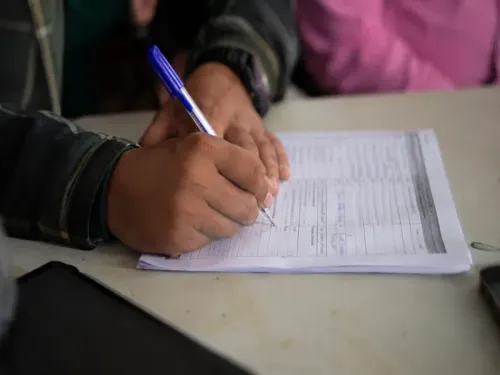
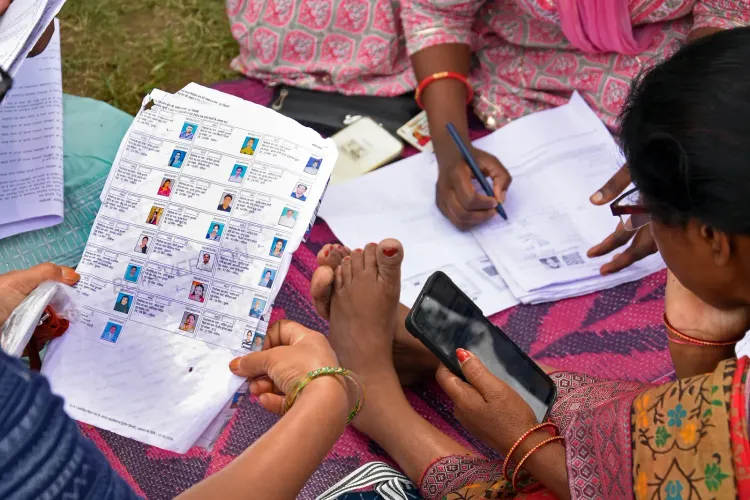
The Special Intensive Revision (SIR) of electoral rolls in Karnataka has reached near-completion, with 99.38 per cent of Enumeration Forms (EFs) distributed across the state and over 61 per cent digitised, according to data released by the Chief Electoral Officer's office on Monday, 20 July 2026. The house-to-house verification exercise, which began on 30 June 2026, is scheduled to continue until 8 August 2026.
Distribution and Digitisation Progress
A total of 5,50,87,922 Enumeration Forms have been distributed, covering 99.38 per cent of all electors in the state. Of Karnataka's polling stations, 54,149 — representing 91.70 per cent — have achieved 100 per cent form distribution, while an additional 3,815 polling stations have crossed the 90 per cent mark.
On the digitisation front, election authorities have processed 3,40,10,283 forms, accounting for 61.35 per cent of the total electorate. 20 polling stations have completed 100 per cent digitisation, and 7,615 have crossed the 90 per cent threshold. Additionally, 5,66,800 electors — 1.02 per cent — have submitted their forms online.
Electors Flagged for Further Scrutiny
The revision exercise has flagged 35,29,441 electors — 6.37 per cent of the total — as ASDDO (Absent, Shifted, Dead, Duplicate, or Otherwise), requiring further verification. An additional 4,53,158 electors (0.82 per cent) were found to be untraceable or absent during field verification.
Among those flagged: 20,48,942 electors (3.70 per cent) have permanently shifted residence; 8,14,206 (1.47 per cent) have been identified as deceased; 2,03,188 (0.37 per cent) were found enrolled elsewhere; and 9,947 cases (0.02 per cent) were categorised under 'Others'.
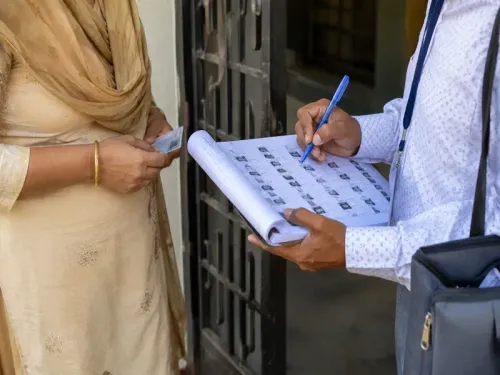
According to the official statement, Karnataka had a total of 5,54,32,314 electors on its rolls as of 16 June 2026. Booth Level Officers (BLOs) are conducting the house-to-house enumeration as part of the ongoing exercise.
Political Row Over Caste and Residence Certificates
The revision drive has drawn sharp political controversy. On the same day, the Karnataka government launched a door-to-door campaign to distribute free caste certificates and permanent residence certificates — a move that has attracted stiff opposition from the Bharatiya Janata Party (BJP) and Janata Dal (United) (JD-U), who have accused the state administration of politicising the voter verification exercise.
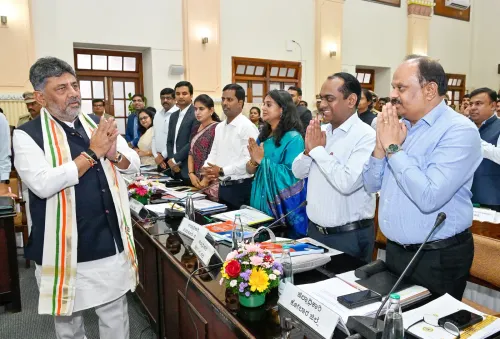
Chief Minister D.K. Shivakumar defended the initiative, stating that the permanent residence certificate is one of the 11 documents recognised by the Election Commission of India for inclusion in electoral rolls.
BJP Raises Constitutional Concerns
Senior BJP leader and Leader of the Opposition in the Assembly, R. Ashoka, strongly criticised the government's doorstep distribution of Permanent Residence Certificates (PRCs), alleging that the move raises serious constitutional, legal, and national security concerns. The opposition's objections signal that the revision exercise — ordinarily a technical administrative process — has become a flashpoint in Karnataka's already charged political landscape. This comes amid broader national scrutiny of electoral roll accuracy ahead of future assembly and general elections.
What Happens Next
The enumeration and digitisation process will continue until 8 August 2026. Election officials are expected to complete verification of flagged ASDDO entries and resolve discrepancies before the rolls are finalised. The outcome of this exercise will directly shape the voter base for Karnataka's next electoral cycle.
Point of View
But the real story is what happens to the 35 lakh-plus electors flagged as ASDDO — their fate will determine whether this revision strengthens or shrinks Karnataka's voter base. The state government's decision to simultaneously push residence certificates door-to-door is politically shrewd but legally combustible; the BJP's national security framing, while aggressive, reflects a genuine procedural concern about document issuance being bundled with an Election Commission exercise. If the courts are drawn in, the August 8 deadline looks fragile.
NationPress
20 Oct 2026
Frequently Asked Questions
What is the Special Intensive Revision (SIR) of electoral rolls in Karnataka?
The Special Intensive Revision (SIR) is a house-to-house voter verification exercise conducted by the Chief Electoral Officer's office in Karnataka, aimed at updating and cleaning the state's electoral rolls. It began on 30 June 2026 and is scheduled to run until 8 August 2026, covering all 5,54,32,314 registered electors.
How many Karnataka electors have been flagged for removal or scrutiny?
A total of 35,29,441 electors — 6.37 per cent of the electorate — have been marked as ASDDO (Absent, Shifted, Dead, Duplicate, or Otherwise). Of these, 8,14,206 have been identified as deceased and 20,48,942 have permanently shifted residence.
Why is the BJP opposing Karnataka's door-to-door certificate distribution?
The BJP and JD-U have accused the Karnataka government of politicising the voter verification exercise by simultaneously distributing free caste and permanent residence certificates at doorsteps. Senior BJP leader R. Ashoka has alleged the move raises constitutional, legal, and national security concerns.
What did Chief Minister D.K. Shivakumar say about the certificate drive?
Chief Minister D.K. Shivakumar defended the initiative, stating that the permanent residence certificate is one of the 11 documents officially recognised by the Election Commission of India for inclusion in electoral rolls.
When will the Karnataka electoral roll revision exercise be completed?
The house-to-house enumeration and digitisation process is scheduled to conclude on 8 August 2026. Officials will then proceed to verify flagged entries and finalise the updated electoral rolls.