Massive Rs 593 Crore Fake Invoice Scam Uncovered in Karnataka; GST Practitioner Arrested

Synopsis
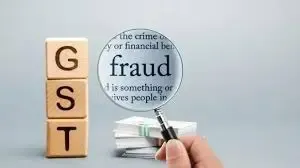
A shocking **fake invoice scheme** amounting to **Rs 593 crore** has been uncovered in Karnataka, leading to the arrest of a GST practitioner. This extensive fraud involved fake invoices and e-way bills and is under investigation to identify further beneficiaries.
Key Takeaways
Massive scam: Rs 593 crore fake invoice scheme uncovered.
Mastermind arrested: GST practitioner Mohammad Saifullah taken into custody.
Fraudulent invoices: Enabled wrongful claims of Input Tax Credit (ITC).
Ongoing investigations: Authorities are tracking additional beneficiaries.
Need for stricter regulations: Highlighted by the systemic vulnerabilities exposed in this case.
Bengaluru, Feb 28 (NationPress) - The Directorate General of GST Intelligence (DGGI), operating from the Belagavi Zonal Unit, has exposed a massive fake Input Tax Credit (ITC) scheme involving fraudulent invoices amounting to approximately Rs 593 crore. An official statement released on Saturday confirmed the arrest of the alleged mastermind in Bengaluru.
The individual identified as Mohammad Saifullah, a registered GST practitioner, is believed to be the primary orchestrator of this operation.
He was actively involved in managing various non-existent and shell GSTINs, facilitating the issuance of fake invoices and e-way bills in return for commissions based on the invoice values.
Officials reported that Saifullah acknowledged his involvement in the scheme when confronted with incriminating evidence.
On February 24, he was apprehended in Bengaluru under Section 69 of the CGST Act, 2017.
Following his arrest, he was presented before the Special Court for Economic Offences in Bengaluru, which approved his transit remand for transfer to Belagavi.
Subsequently, he was taken to the court in Belagavi and placed in judicial custody.
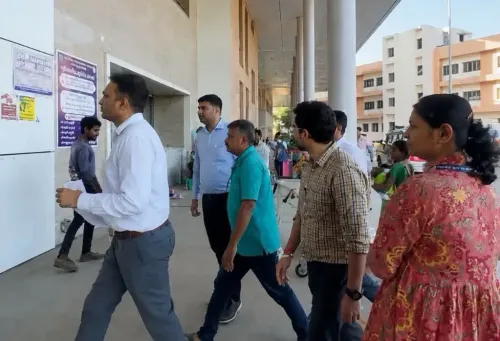
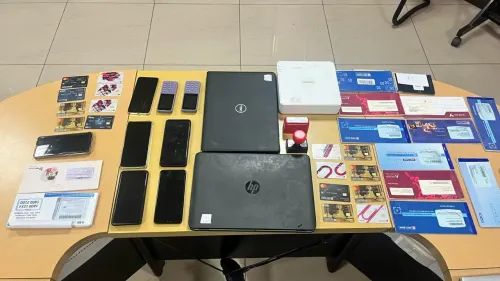
The arrest was part of an investigation into suspicious GST registrations, prompting officials to carry out multiple searches at locations linked to Star Tax Consultant in Bengaluru.
The searches unveiled a well-structured network responsible for issuing fake invoices without genuine supply of goods or services, allowing for the wrongful claim and transfer of ITC, totaling nearly Rs 235 crore.
Preliminary investigations revealed that numerous GST registrations were created solely for the purpose of generating fraudulent invoices and e-way bills.
These counterfeit documents enabled beneficiaries to claim fraudulent ITC. The accused allegedly utilized online accounting software to meticulously document and track transactions through multiple shell entities that lacked any legitimate business activities.
Officials have indicated that further investigations are ongoing to identify additional beneficiaries and assess the full extent of this fraud.
Point of View
This incident highlights the urgent need for stricter regulations and oversight in the GST system to prevent such large-scale frauds. The involvement of professionals in this scheme underscores systemic vulnerabilities that must be addressed to protect public revenue.
NationPress
1 Oct 2026
Frequently Asked Questions
What is the fake invoice scheme about?
The scheme involves the issuance of fraudulent invoices and e-way bills to claim Input Tax Credit (ITC) without actual supply of goods or services.
How much money is involved in this scam?
The scheme is estimated to involve approximately Rs 593 crore in fake invoicing.
Who was arrested in connection with this fraud?
Mohammad Saifullah, a registered GST practitioner, was arrested as the alleged mastermind behind the operation.
What actions have been taken by the authorities?
Authorities conducted multiple searches and arrested Saifullah under the CGST Act, with further investigations ongoing to identify additional beneficiaries.
What are the consequences of such fraud?
Such fraudulent activities undermine the tax system and can lead to significant financial losses for the government.