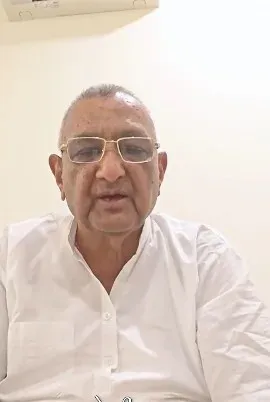
KC Maloo, Veena Cassettes founder and Rajasthani folk champion, dies at 80
Synopsis
KC Maloo didn't just record folk songs — he built an archive of over 5,000 Rajasthani compositions, raised ₹1.01 crore for drought relief through a single concert, and spent decades fighting for Rajasthani's constitutional recognition. His death at 80 closes a chapter in grassroots cultural preservation that no institution matched.
Key Takeaways
Maloo , founder of Veena Cassettes , died of a heart attack late on 14 July in Jaipur ; he was 80 .
He recorded and archived more than 5,000 Rajasthani folk songs and compiled 221 traditional wedding songs into two volumes across 24 audio-video CDs .
In 1987 , he organised the 'Lata Mangeshkar Night' in Jaipur, raising ₹1.01 crore for drought relief.
He was a leading advocate for including Rajasthani language in the Eighth Schedule of the Constitution and met PM Modi on the issue.
Honours included the Rajasthan Ratna Award , the Samagra Kala Sadhana Award , and the Dagar Gharana Award .
Tributes came from Grammy winner Vishwa Mohan Bhatt , former CM Ashok Gehlot , and Union Minister Arjun Ram Meghwal , among others.
Veteran cultural patron and Veena Cassettes founder K.C. Maloo, widely regarded as one of the most dedicated champions of Rajasthani language, folk music, and heritage, passed away following a heart attack late on Monday night, 14 July. He was 80. His last rites are scheduled for Tuesday at 4.30 pm, with the funeral procession departing from Maloo House, Shanti Path, Parshvanath Colony, Nirman Nagar, Jaipur, and proceeding to Purani Chungi Moksha Dham.
A Life Rooted in Rajasthan's Cultural Soil
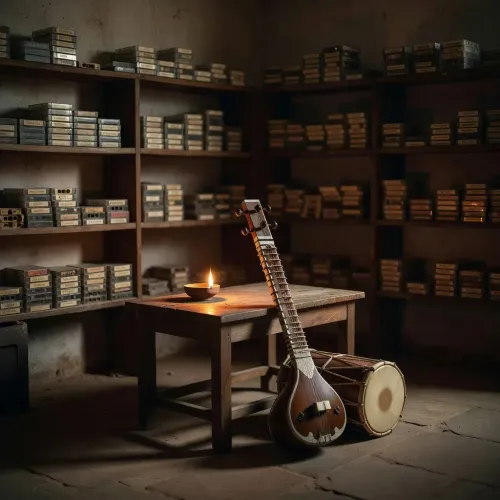
Born in 1946 in Sujangarh, Churu district, Maloo devoted more than five decades to preserving and promoting Rajasthan's musical and linguistic heritage. Through Veena Cassettes, he recorded and distributed thousands of Rajasthani folk songs, devotional compositions, and cultural performances, giving countless emerging artists a platform they might otherwise never have found. He also established Sur-Sangam, an institution dedicated to indigenous music, and built Veena Music into one of the country's most respected platforms for Rajasthani folk.
Working alongside legendary composer Naushad, Maloo played a pivotal role in elevating Rajasthani folk music on the national stage, bringing together celebrated artists from across India. Iconic albums featuring classics such as Ghoomar, Cheermi, and Kangasiyo carried Rajasthan's folk traditions to audiences both within the country and abroad.
Archiving a Civilisation: 5,000 Songs and 221 Wedding Compositions
Among Maloo's most enduring scholarly contributions was his exhaustive research on traditional Rajasthani wedding songs. He compiled 221 songs into two comprehensive volumes — considered one of the world's largest documented collections of wedding music — published in Hindi, English, and Rajasthani, and further preserved across 24 audio-video CDs. Over his lifetime, he prepared manuscripts and audio recordings of more than 5,000 Rajasthani folk songs, creating an archive that researchers and artists will draw on for generations.
The 1987 Drought Concert and a Career of Public Service
One of the most celebrated moments of Maloo's public life came during Rajasthan's severe drought of 1987, when he organised the historic 'Lata Mangeshkar Night' in Jaipur. The concert raised approximately ₹1.01 crore for drought relief. Legendary singer Lata Mangeshkar performed without charging any fee, while renowned artists Mohammed Aziz, Nitin Mukesh, and Usha Mangeshkar also took part. MLA Gopal Sharma described Maloo's life as an extraordinary example of selfless public service carried out without government assistance.
The Fight for Rajasthani's Constitutional Recognition
Maloo was a committed advocate for the inclusion of the Rajasthani language in the Eighth Schedule of the Constitution of India, a cause that has remained unresolved for decades. He remained actively associated with the movement and, as part of a delegation, met Prime Minister Narendra Modi to press the case for official recognition. The language's exclusion from the Eighth Schedule has long been a source of grievance among cultural activists in the state.
Awards, Tributes, and a Legacy That Endures
For his contributions to art and culture, Maloo received several prestigious recognitions, including the Samagra Kala Sadhana Award, the Dagar Gharana Award, and the Rajasthan Ratna Award — the state government's highest cultural honour. Just a week before his passing, he had met former Chief Minister Ashok Gehlot at his residence.
Tributes poured in from across the country. Grammy Award-winning musician Vishwa Mohan Bhatt described Maloo as 'an unparalleled patron of folk music whose contribution would be remembered for generations.' Gehlot said Maloo's lifelong dedication to music gave Rajasthani songs a distinct identity across India and around the world. Others expressing condolences included Bharatiya Janata Party (BJP) State President Madan Rathore and Union Minister Arjun Ram Meghwal.
With Maloo's passing, Rajasthan loses one of its most tireless cultural custodians — but the archive he built, the artists he nurtured, and the movement he championed ensure his influence will outlast him.
Point of View
And Veena Cassettes did the archival work that government cultural bodies did not. The Rajasthani language's continued exclusion from the Eighth Schedule — despite decades of advocacy, delegations to prime ministers, and mass mobilisation — underlines how cultural movements in India can sustain themselves for generations without achieving their central legislative goal. The tributes from across party lines are genuine, but they also underscore an irony: the same political establishment that honoured Maloo with the Rajasthan Ratna has not moved on the one recognition he campaigned hardest for.
NationPress
12 Oct 2026
Frequently Asked Questions
How did KC Maloo die?
KC Maloo died following a heart attack late on Monday night, 14 July, in Jaipur. He was 80 years old. His last rites were scheduled for Tuesday at 4.30 pm at Purani Chungi Moksha Dham.
What was the Lata Mangeshkar Night concert organised by KC Maloo?
In 1987, during Rajasthan's severe drought, Maloo organised a relief concert in Jaipur featuring Lata Mangeshkar, who performed without a fee. The event also featured Mohammed Aziz, Nitin Mukesh, and Usha Mangeshkar, and raised approximately ₹1.01 crore for drought relief — a landmark moment in Rajasthan's cultural and social history.
What was KC Maloo's contribution to the Rajasthani language movement?
Maloo was a committed advocate for including Rajasthani in the Eighth Schedule of the Constitution of India, which would grant it official language status. He remained actively associated with the movement for decades and met Prime Minister Narendra Modi as part of a delegation pressing for formal recognition.
What archival work did KC Maloo leave behind?
Maloo compiled manuscripts and audio recordings of more than 5,000 Rajasthani folk songs. He also documented 221 traditional wedding songs across two published volumes — in Hindi, English, and Rajasthani — preserved further on 24 audio-video CDs, considered one of the world's largest collections of wedding song documentation.