CM Majhi Grants Protected Status to Bhubaneswar's Kedar Gouri Temple
Synopsis
Odisha CM Mohan Charan Majhi has declared the historic Kedar Gouri Temple complex in Bhubaneswar a 'Protected Monument', shielding the Kalinga-era site from encroachment and ensuring its cultural and spiritual legacy is preserved for future generations.
Key Takeaways
Kedar Gouri Temple complex in Bhubaneswar has been accorded official 'Protected Monument' status by the Odisha government .
The announcement was made by Chief Minister Mohan Charan Majhi on 5 November 2026 .
The temple is part of Bhubaneswar's Ekamra Kshetra , a historic precinct known for its concentration of Kalinga-style temples.
Protected status under heritage legislation shields the site from encroachment, unauthorised construction, and unregulated development.
The move continues a long-standing Odisha government focus on protecting Kalinga-era temple complexes in and around Bhubaneswar.
Follow-up actions to watch include additional temple notifications and allocation of conservation funds for the newly protected site.
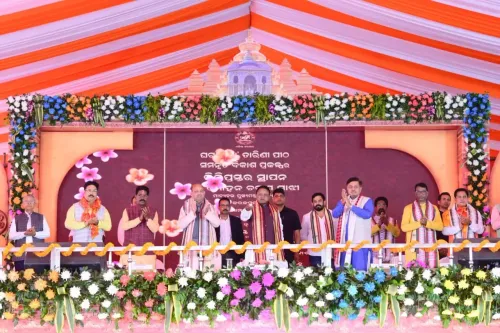
A thousand-year-old stone temple in the heart of Odisha's capital just received its strongest legal shield yet. Odisha Chief Minister Mohan Charan Majhi announced on Thursday, 5 November 2026, that the historic Kedar Gouri Temple complex in Bhubaneswar has been accorded 'Protected Monument' status — a formal declaration that places the site's spiritual and architectural legacy under government safeguard for generations to come.
Posting in both Odia and English, CM Majhi wrote: 'ଓଡ଼ିଶାର ଗୌରବମୟ ଐତିହ୍ୟ ଓ ପ୍ରାଚୀନ ସ୍ଥାପତ୍ୟ କଳାର ସୁରକ୍ଷା ପାଇଁ ଆମ ସରକାର ସଂକଳ୍ପବଦ୍ଧ' — 'Our government is committed to preserving Odisha's glorious heritage and ancient architectural art.' He added that the step will ensure the temple's cultural and spiritual glory remains 'intact for future generations.'Kedar Gouri Temple: A Jewel of the Ekamra Kshetra
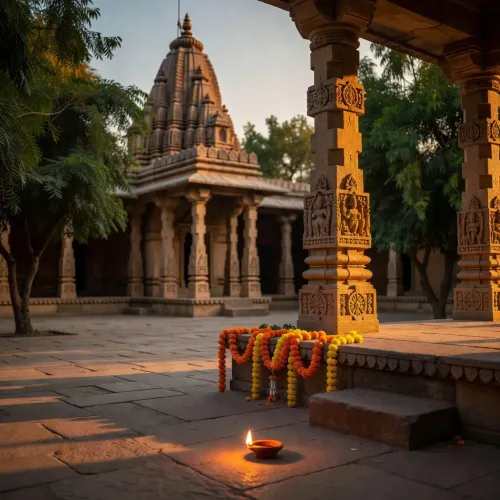
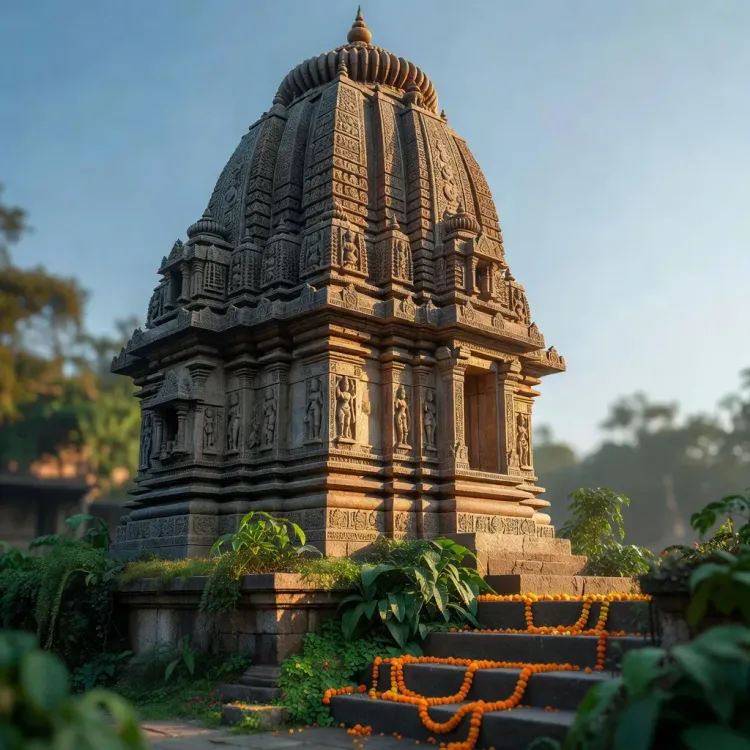
The Kedar Gouri Temple complex sits within Bhubaneswar's ancient religious precinct known as the Ekamra Kshetra — a zone that once housed over a thousand temples, of which hundreds survive today. The complex embodies the Kalinga architectural style, characterised by its soaring curved shikhara towers, intricately carved stone facades, and precise axial temple layouts. It draws both devout pilgrims and heritage scholars who regard Bhubaneswar as one of India's foremost open-air museums of early medieval temple architecture.
The city's reputation as the 'Temple City of India' rests precisely on clusters like Kedar Gouri — sites where Shaivite worship, stone craftsmanship, and urban religious life converged over centuries. Granting 'Protected Monument' status means the complex now carries formal legal cover against encroachment, unauthorised construction, and unregulated commercial activity in its vicinity.
What 'Protected Monument' Status Actually Means
India's Ancient Monuments and Archaeological Sites and Remains Act, 1958, provides the foundational framework under which central and state authorities notify protected monuments. Once notified, a monument and its regulated zone are shielded from demolition, damage, and unplanned development. Odisha has used similar mechanisms for multiple Bhubaneswar temple complexes over the decades, extending the legal perimeter around Kalinga-era structures that form the city's core identity.
Heritage conservationists and Bhubaneswar residents have long advocated for stronger protections for lesser-known temple clusters that fall outside the Archaeological Survey of India's existing list. The Kedar Gouri notification signals that the Majhi government intends to close those gaps — one complex at a time.
A BJP-Led Odisha and the Cultural Heritage Play
Mohan Charan Majhi assumed office after the BJP's landmark victory in the 2024 Odisha state elections, ending Naveen Patnaik's two-decade hold on the state. Heritage and religious-site preservation has featured prominently in the new administration's public messaging — consistent with the party's broader national positioning on cultural nationalism and temple restoration. The Kedar Gouri move fits that pattern while also delivering a concrete conservation outcome that cuts across political lines: few disagree that ancient monuments deserve protection.
What to watch next: whether the government follows up with additional notifications for other unprotected temple clusters in Bhubaneswar's core zone, and how conservation funding is allocated to actually restore and maintain these newly shielded sites. A notification is only as strong as the resources deployed behind it.
Point of View
High-visibility heritage move for the Majhi administration — it delivers a concrete, broadly popular outcome without requiring legislative action or large-scale spending. For a BJP government in its early years in Odisha, anchoring itself to the state's temple culture is both a cultural and political calculation. The broader arc here is about filling protection gaps left by decades of piecemeal monument listing; if followed by real conservation funding and ASI coordination, it could be genuinely consequential for Bhubaneswar's architectural heritage. The test, as always, is whether the notification triggers active restoration or simply adds a legal label to a site that continues to deteriorate.
NationPress
5 Nov 2026
Frequently Asked Questions
What is the Kedar Gouri Temple in Bhubaneswar?
The Kedar Gouri Temple complex is an ancient Shaivite shrine in Bhubaneswar, Odisha, situated within the historic Ekamra Kshetra religious precinct. It is known for its Kalinga architectural style and holds significant spiritual and cultural importance for devotees and heritage scholars.
What does 'Protected Monument' status mean for a temple in India?
'Protected Monument' status, granted under central or state heritage legislation, legally shields a site and its regulated zone from demolition, encroachment, unauthorised construction, and unplanned development. It ensures government oversight of conservation and restricts activities that could damage the structure.
Why did CM Mohan Charan Majhi grant protected status to Kedar Gouri Temple?
CM Majhi stated that the step is aimed at preserving Odisha's rich heritage and ancient architectural legacy, ensuring the temple's cultural and spiritual significance is safeguarded for future generations.
Which law governs protected monuments in Odisha?
The Ancient Monuments and Archaeological Sites and Remains Act, 1958 provides the central framework for notifying protected monuments in India. State governments in Odisha also exercise parallel powers to protect sites of local heritage significance.
How many temples are in Bhubaneswar's Ekamra Kshetra?
Bhubaneswar's Ekamra Kshetra once housed over a thousand temples; hundreds of these ancient structures survive today, making the city one of India's most significant concentrations of early medieval Kalinga-style temple architecture.