Kedarnath disaster 13th anniversary: 4,400 dead or missing, victims remembered at Dham
Synopsis
Thirteen years after the Kedarnath disaster claimed an estimated 4,400 lives — a toll that remains officially unconfirmed — survivors, priests, and officials gathered at Kedarnath Dham to observe two minutes of silence. With the exact death count still unknown and Rambara erased from the map, the 2013 catastrophe endures as Uttarakhand's defining modern tragedy and an annual warning about Himalayan disaster risk.
Key Takeaways
A condolence meeting was held at Kedarnath Dham on 17 June 2025 to mark the 13th anniversary of the 2013 Kedarnath disaster .
Official records indicate approximately 4,400 people were killed or went missing; the exact toll remains unknown even after 13 years.
The disaster was triggered on 16-17 June 2013 by a cloudburst, glacial snowmelt, and the breach of the moraine-dammed Chorabari Lake .
An estimated 10,000 people were in the Kedar Valley at the time of the disaster.
Government data shows 9 national highways , 35 state highways , 86 motor bridges , and 172 bridges were destroyed, cutting off over 4,200 villages .
Rambara , once a thriving pilgrim halt between Gaurikund and Kedarnath, was almost entirely wiped out.
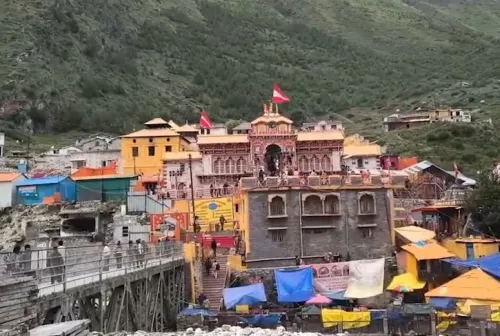
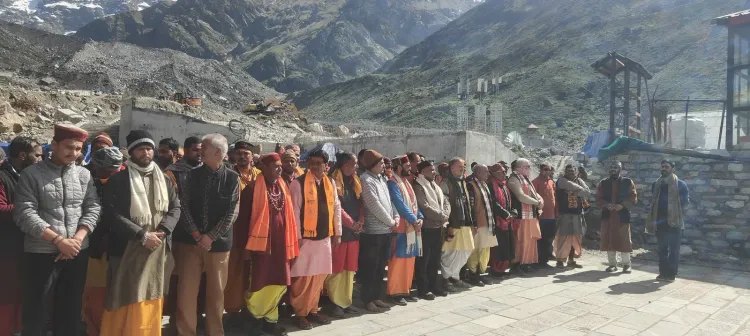
On the 13th anniversary of the Kedarnath disaster, tributes were paid to the thousands who perished or went missing in the catastrophic June 2013 floods at a solemn condolence meeting held at Kedarnath Dham on Wednesday, 17 June 2025. The event, jointly organised by the Kedarsabha, the Badri-Kedar Temple Committee, the district administration, and the community of priests known as Panda-Purohits, brought together officials, clergy, and survivors to honour those lost in one of Uttarakhand's deadliest natural calamities.
Condolence Meeting at Kedarnath Dham
A two-minute silence was observed during the gathering, with prayers offered for the peace of departed souls. Condolences were also formally extended to the families of victims, many of whom still await closure — the exact death toll remains undetermined even 13 years on. Official records indicate approximately 4,400 people were either killed or went missing in the disaster.
Kedarsabha President Rajkumar Tiwari said the 2013 disaster remains among the most tragic events in Uttarakhand's history. He stressed that the lessons of the calamity must never be forgotten and that humble tributes must continue to be paid to all those who lost their lives.
What Triggered the 2013 Kedarnath Catastrophe
The disaster was set off by intense and unprecedented rainfall on the intervening night of 16-17 June 2013, which caused a sudden, violent surge in rivers and streams on both sides of the Kedarnath temple, including the Mandakini and Saraswati rivers. Scientists later attributed the catastrophe to a convergence of meteorological, hydrological, and environmental factors — chiefly an unusually early and ferocious cloudburst that triggered massive glacial snowmelt and a glacial lake outburst.
The moraine-dammed Chorabari Lake, situated above Kedarnath, breached under the pressure, unleashing a wall of water, debris, and sediment that swept through the valley with devastating force. An estimated 10,000 people were present in the Kedar Valley at the time.
Scale of Destruction
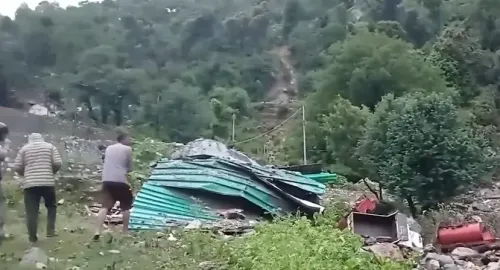
According to government figures, the floods destroyed nine national highways, 35 state highways, 86 motor bridges, and 172 small and large bridges. Communication with more than 4,200 villages across the Kedar Valley was severed. Rambara — a bustling pilgrim rest stop midway between Gaurikund and Kedarnath — suffered the most extensive damage, with dozens of hotels, dhabas, dharamshalas, and shops obliterated overnight.
Before 2013, Rambara was a vibrant waypoint on the foot pilgrimage route, always alive with travellers, horses, mules, and local merchants. The settlement was effectively erased by the disaster.
Thirteen Years On: Remembrance and Unresolved Toll
The anniversary serves as a reminder that the human cost of the Kedarnath disaster has never been fully accounted for. Families of the missing continue to live with uncertainty, and the region's reconstruction — while substantial — has reshaped the landscape irrevocably. The annual condolence meeting has become a ritual of collective grief and a call to strengthen disaster preparedness in the ecologically fragile Himalayan zone.
As Uttarakhand enters another monsoon season, authorities and civil society groups have reiterated the need to draw on the hard lessons of June 2013 to protect both pilgrims and residents in the high-altitude terrain.
Point of View
The government still cannot give a definitive death toll, which itself speaks to the scale of administrative failure during the rescue phase. The annual condolence meeting is necessary, but remembrance without accountability risks becoming ritual. Uttarakhand's Himalayan corridors are more pilgrim-heavy than ever, yet the structural vulnerabilities — glacial lakes, fragile moraines, unregulated construction on floodplains — have not been systematically addressed. The next Kedarnath-scale event is a question of when, not if, unless disaster risk reduction is treated as governance priority rather than monsoon-season messaging.
NationPress
18 Sept 2026
Frequently Asked Questions
What was the Kedarnath disaster of 2013?
The Kedarnath disaster refers to the catastrophic floods and landslides that struck the Kedar Valley in Uttarakhand on the night of 16-17 June 2013, triggered by an intense cloudburst, glacial snowmelt, and the breach of the moraine-dammed Chorabari Lake above Kedarnath temple. Official records indicate approximately 4,400 people were killed or went missing, though the exact toll has never been confirmed.
Why is the exact death toll from the Kedarnath disaster still unknown?
The scale and speed of the disaster, combined with the remote Himalayan terrain, made comprehensive search and rescue operations extremely difficult. Many bodies were buried under debris or swept away by the Mandakini and Saraswati rivers, making identification and counting impossible. Thirteen years later, official figures still cite approximately 4,400 killed or missing rather than a precise number.
What caused the Kedarnath floods in June 2013?
Scientists attributed the disaster to an unprecedented early-season cloudburst that triggered massive glacial snowmelt and a glacial lake outburst. The Chorabari Lake, held back by a natural moraine dam above Kedarnath, breached under the pressure, releasing a torrent of water and debris through the valley.
How extensive was the infrastructure damage from the 2013 Kedarnath disaster?
According to government figures, nine national highways, 35 state highways, 86 motor bridges, and 172 bridges were destroyed. Communication with more than 4,200 villages in the Kedar Valley was cut off. The pilgrim rest stop of Rambara, between Gaurikund and Kedarnath, was almost entirely obliterated.
How is the Kedarnath disaster being commemorated in 2025?
On 17 June 2025, a joint condolence meeting was held at Kedarnath Dham, organised by the Kedarsabha, the Badri-Kedar Temple Committee, the district administration, and the Panda-Purohit community. A two-minute silence was observed, tributes were paid to the victims, and condolences were extended to bereaved families.