Kejriwal Accuses Modi Govt of Shielding NEET Leak Accused via CBI
Synopsis
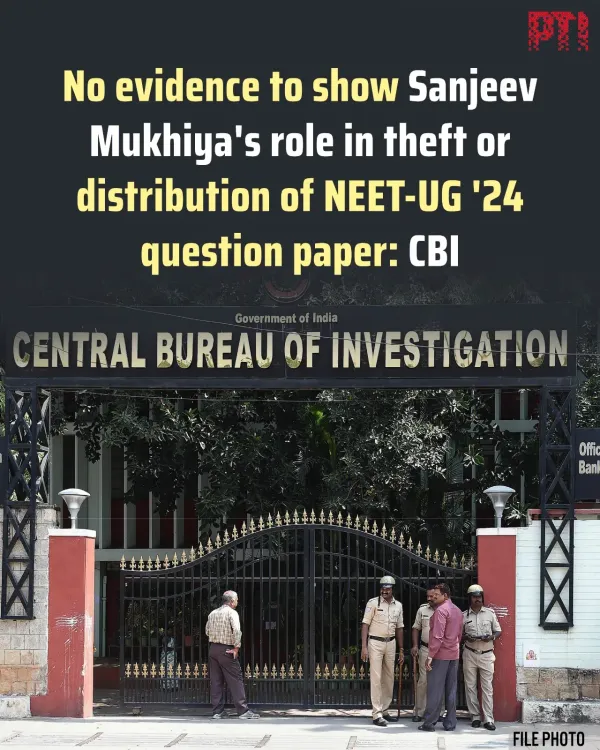
AAP convenor Arvind Kejriwal on 23 July 2026 accused the Modi government of orchestrating a cover-up in the 2024 NEET paper leak case, alleging the CBI intentionally delayed its chargesheet to secure automatic bail for the accused mastermind and has now granted him a clean chit.
Key Takeaways
Arvind Kejriwal on 23 July 2026 publicly accused the Modi government of shielding the alleged mastermind of the 2024 NEET paper leak .
He alleged the CBI deliberately did not file a chargesheet within the statutory deadline, enabling the accused to obtain automatic bail within three months of arrest.
Kejriwal further claimed the accused has now been granted a clean chit by the CBI.
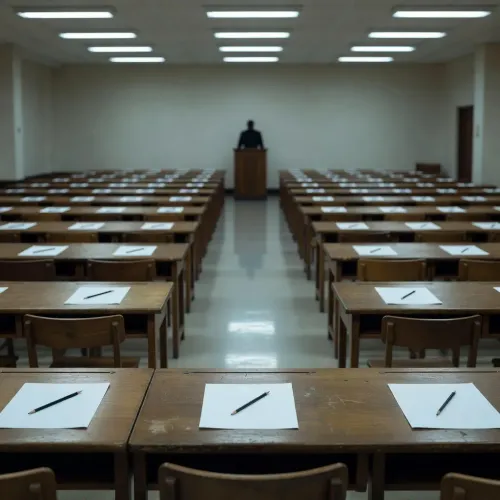
The NEET examination, India's sole national medical entrance test since 2016 , has been at the centre of a major integrity crisis following the 2024 paper leak .
The controversy intensifies opposition demands for an independent probe and stronger statutory safeguards in competitive examination administration.
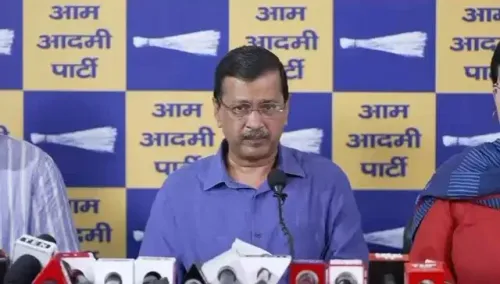
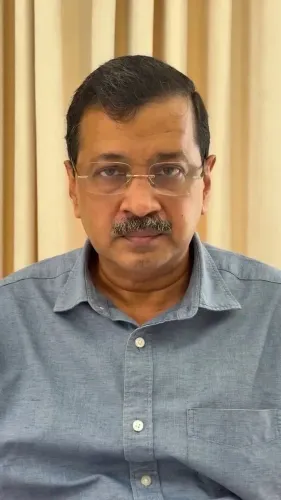
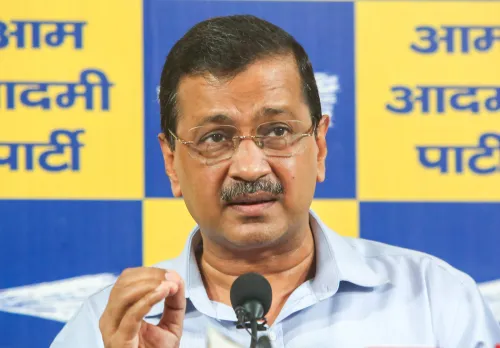
AAP convenor Arvind Kejriwal on Thursday, 23 July 2026, launched a sharp attack on the Narendra Modi-led central government, alleging that the Central Bureau of Investigation (CBI) deliberately delayed filing a chargesheet in the 2024 NEET paper leak case, enabling the accused to secure automatic bail within three months, and has now granted him a clean chit.
Context
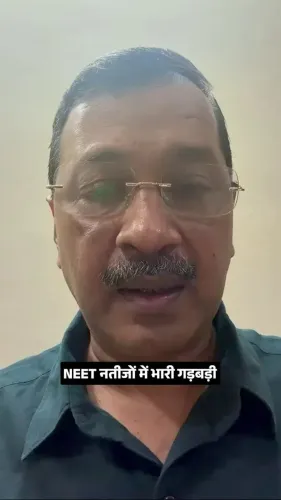
Kejriwal posted in Hindi: 'लीजिए। मोदी जी की पूरी पोल खुल गई।' ('There you have it. Modi ji has been completely exposed.'). He alleged that the individual whom the government had publicly described as the 'mastermind' of the 2024 NEET paper leak was first arrested with fanfare, then quietly handed automatic bail after the CBI allegedly missed the statutory chargesheet deadline, and has now received what Kejriwal called a 'clean chit' from the agency. He concluded: 'आपकी नीयत में खोट है' — 'Your intentions are corrupt.'
Policy Backdrop
The National Eligibility cum Entrance Test (NEET) is India's single national-level entrance examination for medical admissions, implemented fully from 2016 following Supreme Court directions, replacing a patchwork of state-level tests. The 2024 NEET paper leak triggered nationwide outrage among medical aspirants and their families, with protests erupting across multiple states and demands for a thorough, time-bound investigation. The CBI was assigned the probe amid calls for an independent inquiry into how question papers were allegedly compromised before the examination.
Under Indian criminal procedure, an accused person is entitled to default bail if the investigating agency fails to file a chargesheet within the stipulated period — 60 or 90 days depending on the offence — a provision designed as a safeguard against indefinite detention. Kejriwal's allegation centres on the claim that the CBI allowed this window to lapse intentionally.
Stakeholders and Impact
Lakhs of medical aspirants who sit for NEET each year are the primary stakeholders in the integrity of the examination. Any perception that those responsible for a paper leak have escaped accountability without a full trial deepens public mistrust in both the examination system and the central investigative machinery. Opposition parties, including AAP, have consistently alleged political misuse of the CBI in high-profile cases, framing the agency as one that pursues or protects individuals based on political considerations rather than evidence.
The BJP-led central government has not, as of this post, issued a public response to Kejriwal's specific allegations regarding the chargesheet timeline or the reported clean chit. The CBI has not made an official statement addressing these claims publicly.
What's Next
Attention will now turn to the status of ongoing CBI proceedings in the NEET leak case, any related hearings before the courts, and whether Parliament takes up the matter through questions or a privilege motion in the upcoming session. Opposition parties are likely to press for a Special Investigation Team or judicial inquiry to examine both the original leak and the conduct of the investigation itself. The controversy also feeds into a broader legislative conversation about reforming examination oversight and introducing stronger statutory penalties for paper leaks under the Public Examinations (Prevention of Unfair Means) Act, 2024.
Point of View
Easily shareable charge against the Modi government. By invoking the technical provision of default bail, he elevates a procedural legal argument into a moral indictment, making it accessible to a mass audience of aggrieved NEET aspirants and their families. The timing, coming well after the initial heat of the 2024 leak controversy, suggests AAP is seeking to keep the issue alive as a symbol of systemic failure ahead of future electoral cycles. Whether the specific claims about chargesheet timing and a clean chit can be verified through court records will determine how much traction this narrative gains beyond the party's base.
NationPress
23 Jul 2026
Frequently Asked Questions
What is Kejriwal's allegation about the NEET paper leak case?
Kejriwal alleges that the CBI deliberately delayed filing a chargesheet against the accused mastermind of the 2024 NEET paper leak, causing the accused to receive automatic bail within three months, and that the accused has now been given a clean chit by the agency.
What is automatic bail in an Indian criminal case?
Under Indian criminal procedure, an accused is entitled to default or automatic bail if the police or investigating agency fails to file a chargesheet within 60 or 90 days of arrest, depending on the seriousness of the offence.
What happened in the 2024 NEET paper leak?
The 2024 NEET examination faced allegations that question papers were leaked before the test, sparking nationwide protests by medical aspirants and demands for a fresh examination and an independent inquiry. The CBI was assigned to investigate the case.
What is NEET and why is it important?
NEET, the National Eligibility cum Entrance Test, is India's single national-level entrance examination for admission to medical colleges, implemented fully from 2016 following Supreme Court directions. Lakhs of students appear for it each year, making its integrity critical to fair access to medical education.
Has the BJP or CBI responded to Kejriwal's allegations?
As of the time of Kejriwal's post on 23 July 2026, neither the BJP-led central government nor the CBI had issued a public response addressing his specific claims about the chargesheet timeline or the reported clean chit.