Kejriwal Accuses Modi of Bulldozing Ethanol Policy Under Trump Pressure
Synopsis
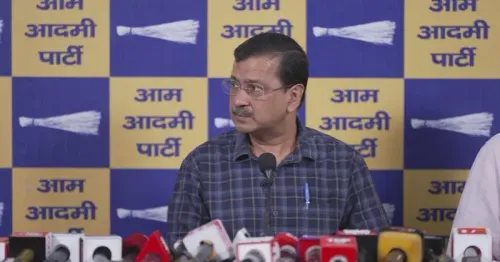
AAP convenor Arvind Kejriwal on 6 August 2026 accused PM Modi of strong-arming SIAM into withdrawing a report on ethanol risks and pushing India's E20 blending programme under pressure from the US, calling the move anti-science and driven by a hidden agenda.
Key Takeaways
Kejriwal alleged the Modi government forced SIAM to withdraw a report raising technical concerns about high ethanol blends.
He claimed India's E20 ethanol push is driven by pressure from US President Trump to purchase American ethanol, not domestic science.
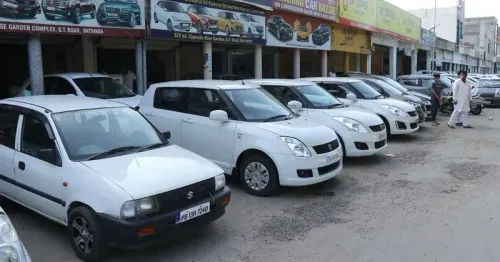
SIAM has historically flagged engine wear, corrosion and warranty risks for vehicles using blends above E10 .
India's National Policy on Biofuels (2018) and the advanced E20 target (moved to 2025 from 2030) form the policy backdrop.
The specific claims about SIAM's report withdrawal and 2026 US trade pressure have not been independently verified.
No formal response from the Ministry of Petroleum has been issued as of the time of publication.
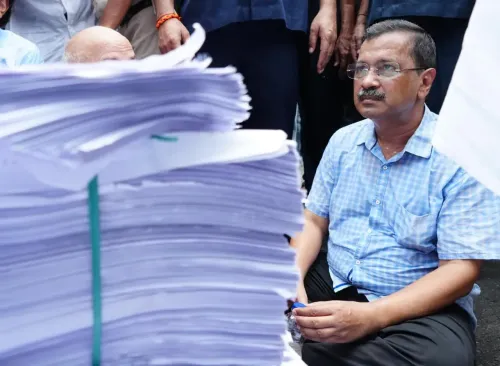
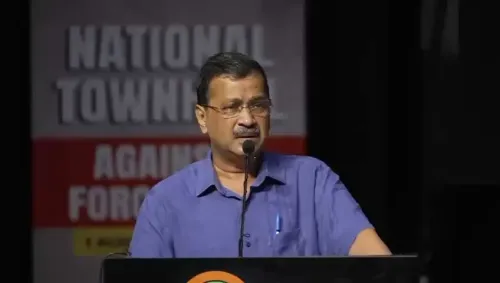
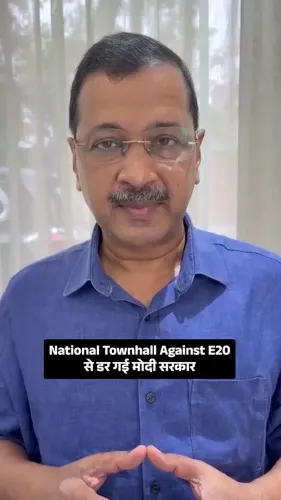
A sharp political broadside landed on Thursday, 6 August 2026, when AAP convenor Arvind Kejriwal accused Prime Minister Narendra Modi of suppressing an industry report on ethanol and forcing a policy direction onto the country at the behest of the United States — a charge that cuts to the heart of India's energy sovereignty debate.
Kejriwal alleged that the government compelled SIAM — the Society of Indian Automobile Manufacturers, India's apex auto-industry body — to withdraw a report raising technical concerns about higher ethanol blends. 'U forced SIAM to withdraw their report,' he wrote, calling the move 'Gundagardi' (strong-arm tactics). He further claimed Modi is 'under pressure from Trump to buy ethanol from the US' and is 'bulldozing ethanol on the whole country against all scientific evidence.'
What SIAM Has Said About High Ethanol Blends
SIAM has, over several years, publicly flagged technical risks associated with ethanol blends above E10 (10% ethanol). The concerns are concrete: engine wear, fuel-system corrosion, and warranty complications for vehicles not engineered for higher blends. These are industry-wide concerns shared by auto manufacturers globally, not unique to India.
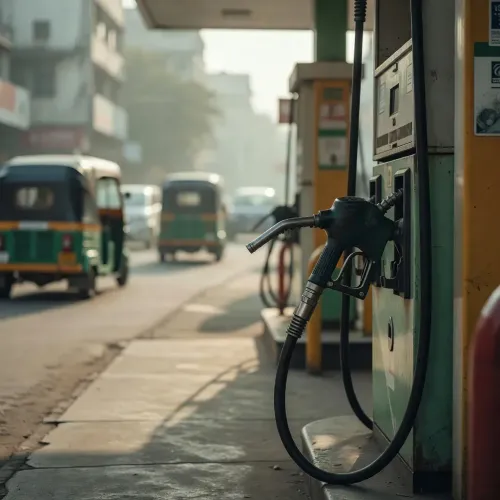
The government's push toward E20 — a 20% ethanol blend — was accelerated in 2021, when the E20 target was advanced from 2030 to 2025. The move sits within the National Policy on Biofuels, notified in 2018, which expanded feedstock options and set progressively higher blending mandates to cut crude oil imports and bolster income for sugarcane farmers.
The US Ethanol Angle and Trade Pressure
US-India trade negotiations have periodically included American requests for greater market access for US agricultural products, including ethanol. Kejriwal's claim — that the current ethanol push is driven by pressure from US President Donald Trump rather than domestic science or policy logic — is a politically explosive one. It frames a flagship energy programme not as an act of national interest but as a concession to a foreign power.
The research background notes that the specific claim about SIAM being forced to withdraw a report, and the precise contours of any 2026 US pressure on ethanol purchases, cannot be independently verified. The Ministry of Petroleum has not yet issued a formal response to these allegations.
Why the Ethanol Debate Has Long-Running Stakes
India's ethanol blending programme has bipartisan roots — successive governments have expanded it to reduce dependence on crude imports and provide assured revenue to sugarcane growers, a politically significant constituency. Oil marketing companies have signed long-term offtake agreements with sugar mills since 2014, and ethanol procurement volumes have risen sharply in the decade since.
The auto sector's resistance, however, has never fully disappeared. Millions of older vehicles on Indian roads were not built for blends above E10, and a rapid mandatory shift raises real questions about engine longevity and consumer costs — questions that SIAM has consistently put on record.
Whether the government can reconcile farm-income goals, energy security ambitions, trade diplomacy, and automobile-industry concerns — without a credible scientific audit visible to the public — is now a question Kejriwal has forced into the open.
Point of View
A potent combination in Indian political messaging. By invoking SIAM, he grounds the allegation in an industry voice that has genuine, documented technical reservations, lending the charge more credibility than a purely political attack would carry. The accusation also fits a broader AAP pattern of targeting Modi on science and evidence-based governance, a line that has traction in urban, educated voter segments. If the government does not produce a transparent scientific justification for its E20 timeline, Kejriwal's framing risks sticking.
NationPress
6 Aug 2026
Frequently Asked Questions
What did Kejriwal say about SIAM and ethanol?
Kejriwal alleged that the Modi government forced SIAM — the Society of Indian Automobile Manufacturers — to withdraw a report raising technical concerns about high ethanol blends, calling the move 'Gundagardi' or strong-arm tactics.
What is India's E20 ethanol blending target?
India's E20 target mandates a 20% ethanol blend in petrol. The government advanced this deadline from 2030 to 2025 under the National Policy on Biofuels.
Why has SIAM raised concerns about ethanol blending?
SIAM has flagged risks including engine wear, fuel-system corrosion, and warranty complications for vehicles not designed for blends above E10, concerns that apply to a large share of older vehicles on Indian roads.
Is there US pressure on India to buy ethanol?
US-India trade talks have historically included American requests for greater access for US agricultural products including ethanol, but the specific claim of direct Trump pressure driving India's 2026 ethanol policy cannot be independently verified.
What is the National Policy on Biofuels?
India's National Policy on Biofuels, notified in 2018, expanded the range of feedstocks for ethanol production and set progressively higher blending targets to reduce crude oil imports and support sugarcane farmers.