Kejriwal Claims AAP Lifted Punjab to No. 1 in Education
Synopsis
AAP convenor Arvind Kejriwal claimed on 27 July 2026 that Punjab's education ranking jumped from 27th to 1st under AAP rule and that neither Delhi nor Punjab saw a single paper leak during AAP's tenure, contrasting this with what he described as continuous leaks in BJP-governed states.
Key Takeaways
AAP convenor Arvind Kejriwal posted on X on 27 July 2026 claiming Punjab rose from 27th to 1st in national education rankings under AAP governance.
Kejriwal asserted that not a single paper leak occurred during AAP's 10-year rule in Delhi or during its ongoing tenure in Punjab .
He accused the BJP of attempting to tarnish AAP's education record, calling it a reaction to BJP's own failures on exam integrity.
AAP won Punjab in 2022 on a platform of replicating Delhi's school infrastructure and teacher-training reforms.
The specific ranking shift from 27th to 1st in Punjab has not been independently verified from established public data as per available research.
The post continues AAP's broader political strategy of using education metrics and exam integrity as electoral differentiators from BJP-ruled states.
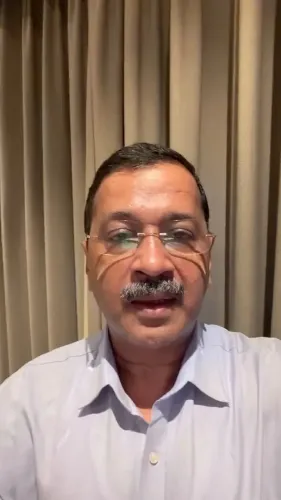
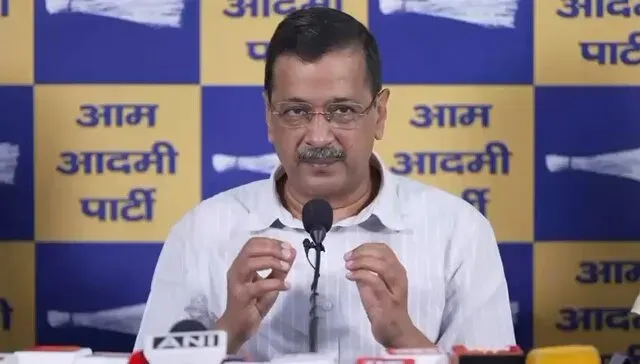
AAP convenor Arvind Kejriwal on Monday, 27 July 2026, claimed that his party's governments in Delhi and Punjab have maintained a clean record on examination integrity, while accusing the Bharatiya Janata Party of attempting to tarnish AAP's education achievements. Posting on X, Kejriwal asserted that Punjab's education ranking had risen from 27th to 1st in the country under AAP's watch, and that not a single paper leak had occurred in either Delhi or Punjab during AAP's tenure.
In his post, Kejriwal wrote: 'हमने पंजाब को शिक्षा के क्षेत्र में 27वें नंबर से नंबर 1 पर ला खड़ा किया।' ('We have brought Punjab from 27th to number 1 in the field of education.') He further stated: 'In our Delhi, we governed for 10 years, and in Punjab our government is in power — but not a single paper leak has occurred. On the other hand, wherever BJP governments exist, paper leaks are happening continuously. BJP is stung by its own failure.'
Context
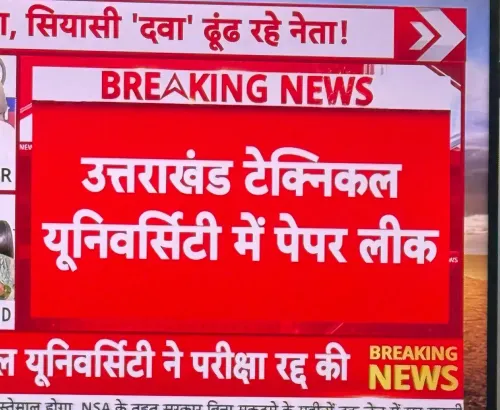
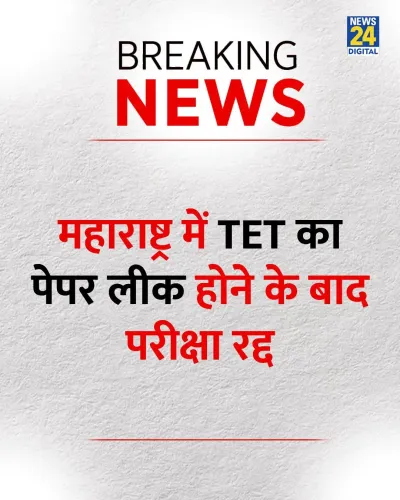
The post arrives amid a sustained national debate over examination paper leaks that has rattled public confidence in competitive and board examinations across several states. AAP has consistently positioned its governance record in education as a flagship differentiator from rival parties, particularly the BJP, which leads the central government and administers multiple state governments.
Kejriwal's remarks represent a direct counter-offensive, framing BJP's criticism of AAP's education work as politically motivated deflection from the ruling party's own administrative failures on exam security.
Policy Backdrop
AAP came to power in Delhi in 2015 and prioritised large-scale upgrades to government school infrastructure alongside structured teacher training programmes. The party then swept the Punjab assembly elections in 2022, explicitly promising to replicate Delhi's education model in the state.
Kejriwal's claim that Punjab moved from 27th to 1st in national education rankings reflects the party's core electoral narrative. The research note cautions that this specific ranking shift has not been independently verified from established public data, and readers should await official survey publications for confirmation.
Stakeholders and Impact
The immediate stakeholders are millions of students enrolled in Punjab and Delhi government schools, as well as aspirants appearing for competitive examinations administered by state boards. For them, the question of paper-leak prevention carries direct, material consequences for career outcomes.
Politically, the exchange matters for AAP's positioning ahead of future state and national electoral cycles. The party has staked significant credibility on its education governance record, making any challenge to that record — or any rival scandal it can highlight — electorally significant.
What's Next
Attention will now turn to forthcoming national education surveys and state-level ranking reports that could either substantiate or complicate Kejriwal's ranking claim. Any central or state legislative action on examination security reforms — including stricter anti-leak laws — will also shape how this debate evolves.
With paper leaks having become a politically charged issue nationally, AAP is likely to continue pressing this contrast ahead of upcoming electoral contests, making the BJP's response, and any new data on school outcomes, closely watched.
Point of View
An issue that has caused significant public anger nationally. By anchoring the argument in a specific ranking claim (27th to 1st) and a zero-paper-leak record, AAP attempts to shift the burden of proof onto BJP-governed states at a moment of heightened public sensitivity around examination failures. The framing also serves a dual purpose: reinforcing AAP's core governance identity for its existing base while signalling to undecided voters in states where BJP administers examinations. Whether the ranking claim withstands scrutiny from independent education surveys will determine whether this narrative holds or becomes a liability.
NationPress
27 Jul 2026
Frequently Asked Questions
What did Arvind Kejriwal say about Punjab's education ranking?
Kejriwal claimed on 27 July 2026 that AAP's government lifted Punjab from 27th to 1st place in national education rankings, though this specific figure has not been independently verified from established public data.
Has there been a paper leak in Delhi or Punjab under AAP?
Kejriwal asserted in his post that not a single paper leak occurred during AAP's 10-year governance in Delhi or during its ongoing rule in Punjab.
Why is Kejriwal criticising BJP over paper leaks?
Kejriwal accused BJP of trying to tarnish AAP's education achievements while, he alleged, paper leaks have been occurring continuously in states governed by the BJP.
When did AAP come to power in Punjab?
AAP won the Punjab assembly elections in 2022, forming the state government on a platform that included replicating Delhi's government school reforms.
What is AAP's education model in Delhi?
Since 2015, AAP's Delhi government has focused on large-scale government school infrastructure upgrades and structured teacher training programmes, which the party cites as the basis for its education governance record.