Kejriwal Links Paper Leaks to MLA Buying, Slams Telegram Ban
Synopsis
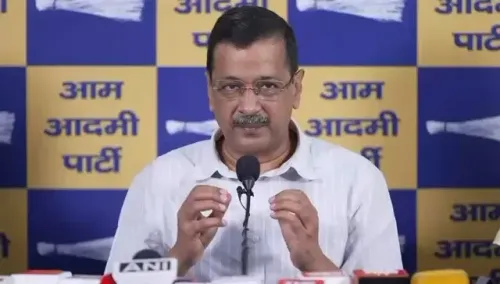
AAP convenor Arvind Kejriwal on 18 June 2026 alleged that money from India's exam paper-leak networks is being used to buy elected legislators, while also attacking the government over a reported Telegram ban and an IAF controversy, calling the administration a 'total comedy circus.'
Key Takeaways
AAP convenor Arvind Kejriwal posted on X on 18 June 2026 attacking the central government on multiple fronts.
He alleged that proceeds from the 'business of paper leaks' are being used to purchase the loyalty of MPs and MLAs .
Kejriwal also criticised a reported ban on Telegram and referenced an unspecified controversy involving IAF planes .
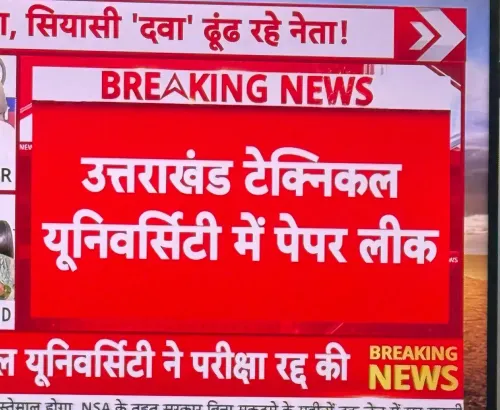
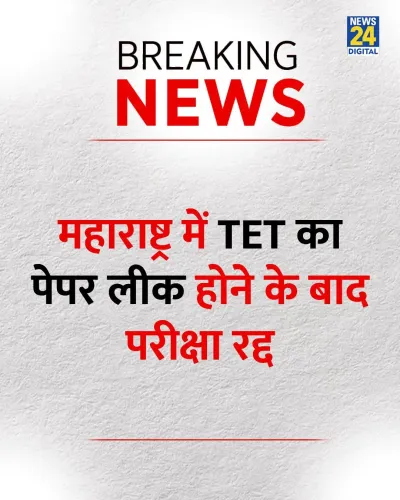
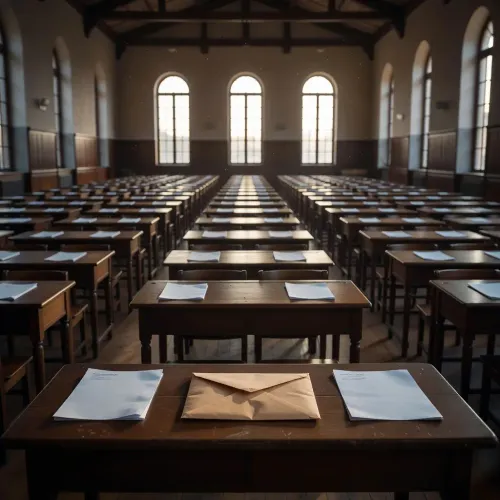
Paper leaks in competitive exams have been a recurring crisis across multiple Indian states, with high-profile cases documented between 2015 and 2022 .
The IT Act, 2000 empowers the central government to issue blocking directions to platforms such as Telegram .
The post fits a pattern of opposition leaders bundling administrative grievances to build a narrative of systemic dysfunction.
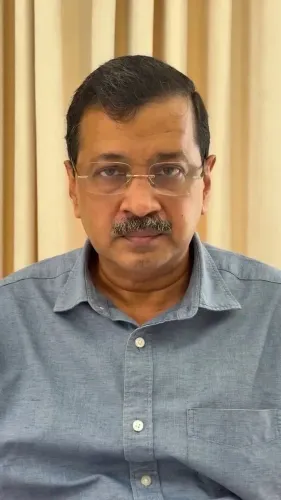
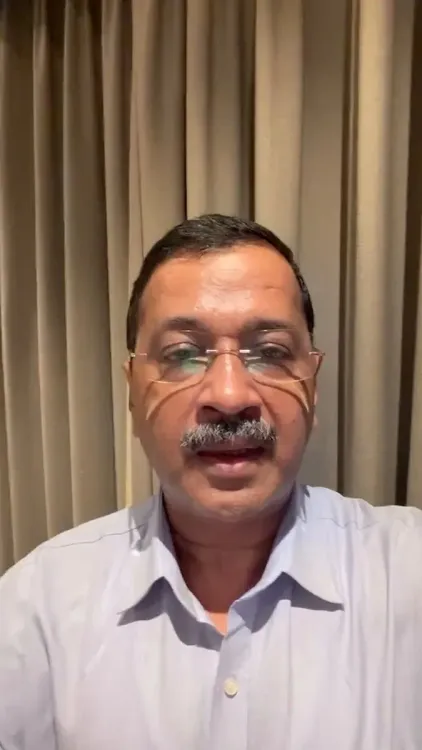
AAP convenor Arvind Kejriwal on Thursday, 18 June 2026, launched a sharp attack on the central government, linking recurring examination paper leaks to alleged political horse-trading and criticising what he described as a ban on the messaging platform Telegram, calling the administration a 'total comedy circus.'
Context
Kejriwal's post bundled two distinct grievances into a single indictment of the ruling dispensation. The first was a reference to an unspecified controversy involving Indian Air Force (IAF) planes, followed by what he described as a ban on Telegram — a Russia-based messaging platform widely used across India. The second, and more pointed, allegation concerned the persistence of paper leaks in competitive examinations.
Posting on X, Kejriwal wrote: 'Paper leaks will never stop. Because money from the business of paper leaks being used to buy MPs/MLAs?' The rhetorical question directly alleged that revenue generated from organised paper-leak networks is being funnelled into purchasing the loyalty of elected legislators.
Policy Backdrop
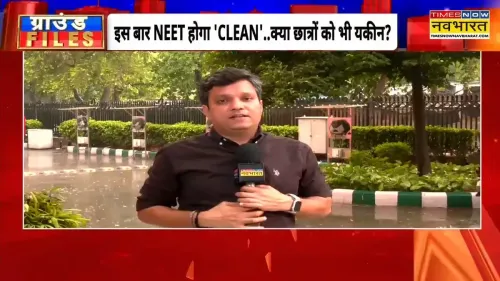
Examination paper leaks have been a recurring crisis in India's public recruitment and competitive-exam ecosystem. Multiple states, including Bihar and Rajasthan, witnessed high-profile cases during 2015–2022, triggering CBI inquiries and a series of arrests that rarely resulted in systemic reform. Aspirants preparing for state public service commissions and central recruitment boards have repeatedly lost years of preparation to compromised exams.
The Information Technology Act, 2000 grants the central government authority to issue blocking directions to digital platforms. Telegram has previously received orders to take down specific channels accused of sharing sensitive or illegal content, and such actions have periodically drawn criticism from civil liberties advocates and opposition politicians alike.
Stakeholders and Impact
The most directly affected constituency is India's vast population of competitive-exam aspirants — estimated in the crores — who invest years in preparation for government jobs. Each paper-leak episode effectively nullifies their effort and erodes trust in public institutions. Opposition legislators, meanwhile, have used such episodes as a recurring platform to question the integrity of the ruling establishment.
Kejriwal's framing goes further than procedural criticism: by alleging that leak proceeds finance the purchase of MPs and MLAs, he is connecting exam malfeasance to the broader issue of political defection and floor-crossing — a charge that, if substantiated, would implicate criminal networks at the intersection of bureaucracy and electoral politics. The Aam Aadmi Party, founded in 2012 on an anti-corruption platform, has consistently positioned such allegations as central to its political identity.
What's Next
The post is likely to intensify calls from opposition benches for a parliamentary discussion on examination integrity and possible amendments to anti-defection provisions. Any formal inquiry or whistleblower disclosure connecting paper-leak proceeds to political funding would significantly escalate the political stakes. Whether the government responds with a rebuttal, a fresh investigation, or legislative action on exam reform will determine how this controversy develops in the weeks ahead.
Point of View
A defence controversy, and an exam-integrity crisis into a single charge of governance failure. The allegation that paper-leak proceeds fund legislative horse-trading is the sharpest edge of the post: it elevates a bureaucratic failure into a constitutional one, implying that exam corruption directly distorts democratic representation. For AAP, which has staked its identity on anti-corruption credentials, such framing is strategically consistent, particularly ahead of any state election cycle. The central government will face pressure to either rebut the horse-trading claim with specifics or demonstrate credible action on exam reform.
NationPress
17 Sept 2026
Frequently Asked Questions
What did Kejriwal say about paper leaks on 18 June 2026?
Kejriwal alleged on 18 June 2026 that paper leaks in India persist because the money generated from the 'business of paper leaks' is being used to buy MPs and MLAs , calling it a politically motivated racket.
Why did Kejriwal criticise the Telegram ban?
Kejriwal cited the reported Telegram ban alongside other controversies to argue that the central government is mismanaging both digital freedoms and administrative integrity, describing it as a 'total comedy circus.'
What is the history of paper leaks in India?
Multiple Indian states, including Bihar and Rajasthan , saw major examination paper-leak scandals between 2015 and 2022 , leading to CBI probes and arrests, though systemic reform has remained elusive.
Can the Indian government ban Telegram?
Yes. Under the Information Technology Act, 2000 , the central government can issue blocking directions to digital platforms, including Telegram , for specific channels or content deemed harmful or illegal.
What is AAP's position on exam paper leaks?
The Aam Aadmi Party , founded in 2012 , has consistently highlighted exam paper leaks as evidence of systemic corruption, arguing that the affected aspirants — numbering in the crores — deserve accountable governance and genuine reform.